


Life presents obstacles that can illustrate themselves as not being able to be overcome. We turn to doctors, friends, and family for someone to explain how to overcome the life struggles that have become mind consuming. They hope they can fix what is broken, but, in reality, it is not for them to fix. It is their job to assist. The most logical and trusting thing to do is see a ‘professional’ on the topic, however, in the end, we must choose how we come out on the other end of the tunnel. Most people have a conceptual idea of what grief feels like whether it be from love, loss, or situation. Most commonly people who feel grief express the twisting of the stomach, lack of motivation, feeling alone, and a lot of crying. Searching for a remedy to cure these feelings can be a painstakingly long process that sometimes can make the feelings worse. Everyone deals with situations differently, however, they all have one thing in common. Grief is not how they said it would be. Grief hurts, grief is a doppelganger for physical and emotional pain, similar to sickness.
1. Denial
What they told you:
We live life on day by day basis, sure we can plan ahead, but you can only plan so far, and even then not every single thing you will do that day will be planned. As humans, we like to pretend like we have everything figured out; but we don’t. So we love, like we will lose everything tomorrow. When turbulence presents itself we turn our cheek and put it on the back burner to be ‘dealt with’ later. However, end up letting the flame get to high and losing whatever we have put back there. Suppressing feelings is a normal reaction to unplanned shock.
What they didn’t tell you:
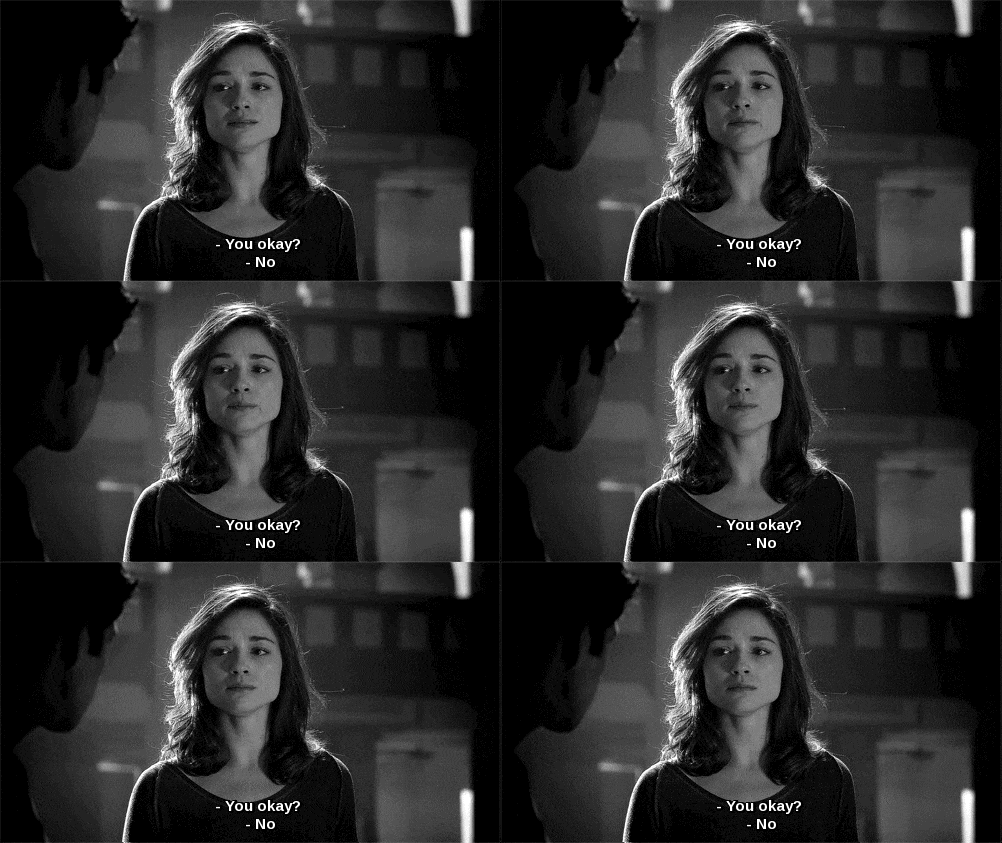
These are all to be expected, what they didn’t tell you, is you are putting yourself in a vulnerable position for a countless amount of things to build up and since they aren’t being let go, you are continuing to act as if you still have something you don’t. That thing (emotion, person, item etc.) is no longer there. Acknowledge there is a problem; maybe there will still be time to save it, but if not, prepare yourself for all that is about to follow. People will notice you are not okay, your daily routines and work output amongst other non-verbal ques will show you are not your normal self. They will taunt and their voices will silently beg to be informed in order to help you through; in reality, you will have to come up with something better than ignoring the situation and pretending everything is okay.
2. Anger
What they told you:
Life is complete with a cycle of emotions that we act on and that we all show with different faces. Our reactions to occurrences initiate a different emotional response. It is normal to feel angry with a situation as a reverberation of feeling like something/ someone has caused our daily routines and emotion to become out of sorts and it is natural to handle this by screaming, crying, wanting revenge, etc. The best way to handle this is to keep a diary, talk to someone you confide it, and express these emotions in an appropriate output and therefore keeping yourself from regret in ‘payback’.
What they didn’t tell you:
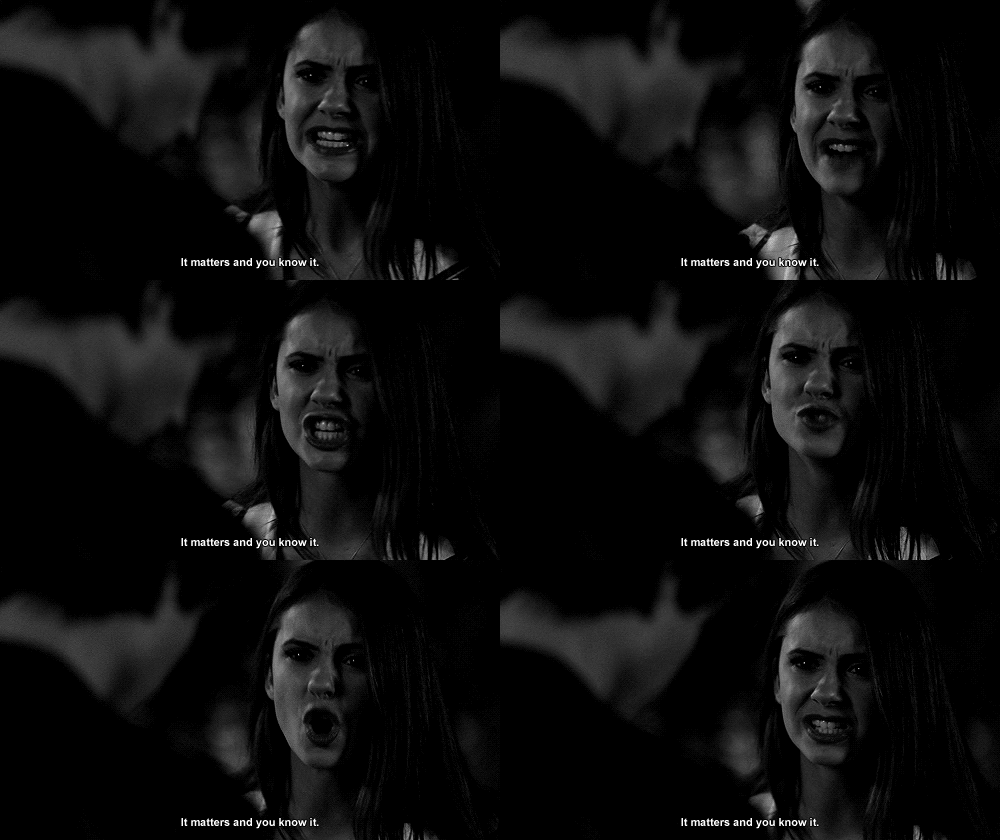
In your mind, questions start arising. Why is this happening? Why me? This seems so unnecessary, why is it just now coming up? Why right now, why not some other time? Whether from inconvenience, flustered and overwhelming range of emotions, etc., we begin feeling the feelings of anger. The skin feels boiling hot, our minds start ranging revenge tactics and cursing of what events led to this. Everything in the world starts going wrong and even the thigs that have been consistently going right or new opportunities of happiness are presented and we deny them. Anger consumes us as if everyone can see it all over our faces and abruptly things start becoming worse because the avoidance factor starts coming into play; negativity has struck. Once there seems to be no hope in the situation anymore we resort to just being angry. Talk about time consuming, stress, and being tired because of all the effort you’re spending putting into this one emotion.

3. Bargaining
What they told you:
After being so angry there will come an overwhelming feeling of emotion that you have suppressed for so long that you expressed as anger. You will feel like perhaps you can change everything back to how it was before the event and that you and you alone could do what it takes to reverse everything. You may use people, items, and situations as bargaining chips to make everything seem ‘normal’ in your life again. This can be a selfish stage because it costs the happiness of others for your own. You are so anxious that perhaps you still are not yet accepting that was is, is, this stage-mind you, is different than denial. Denial is still having the person/item etc. Bargaining is the variation when we do not have that thing and are trying to get it back; both demanding to have the thing, convinced it will make everything better.
What they didn’t tell you:
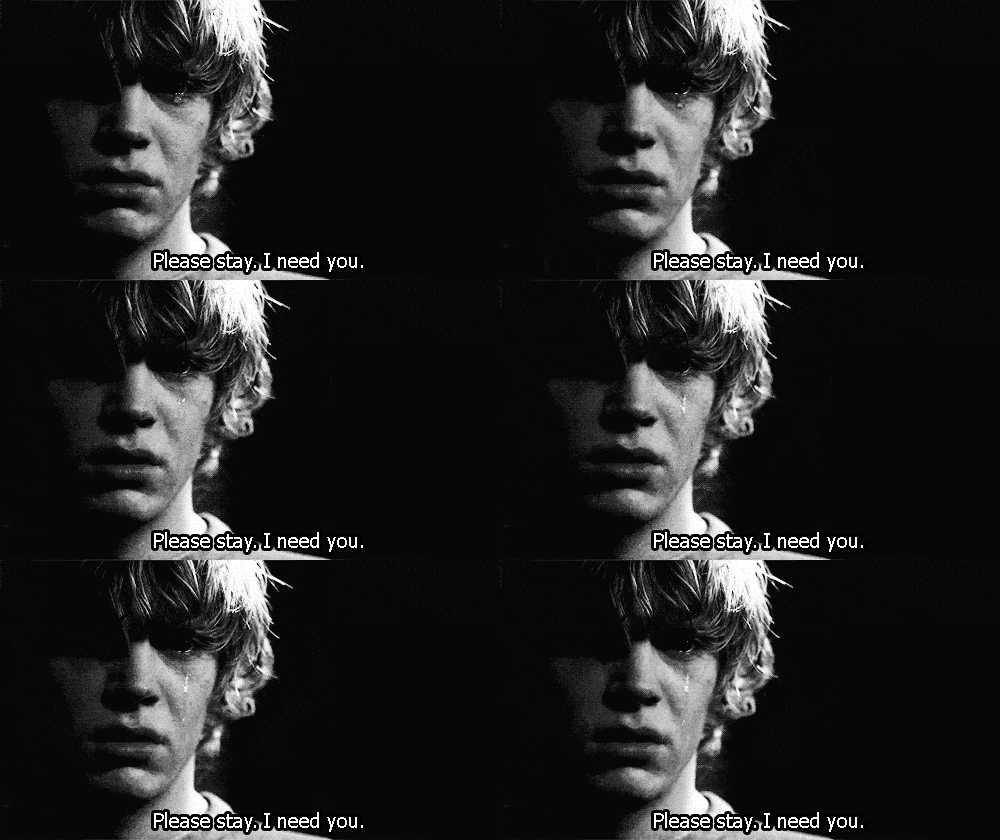
Amongst using everything you can get your hands on and anything that you can conjure in your mind, you are essentially at your lowest point. This stage in my opinion is you’re most vulnerable. Your standards, your morals, your spiritual checkpoints, will all be tested, and cause occurrences that will most likely be regretted later. You will scream out loud, cry the hardest and longest you ever had. This stage is the most physically painful in the sense that your skin is hot, you feel contained in your body and the feeling is almost like if you could just breathe for a couple seconds out of this skin you would feel better. The pain will seem unbearable. Beginning to pick apart ourselves emotionally to figure out what we did wrong. When in fact, you are not responsible for any if at all of the circumstance you are dealing with. Pressing others and yourself to barbaric lengths of responsibility, making false promises to yourself and trying to obtain impossible missions. All to feel ‘okay’.
4. Depression
What they told you:
If you have reached this step, it is inevitable that you lost what you had. You feel sad and alone, but know you aren’t alone, you have so much you just don’t see, and you can get through this. Perhaps trying something new and exciting? Maybe even keeping a diary or talking to someone you can relate to? If you can remain calm and try to see the positives you will make it through. You are not alone.
What they didn’t tell you:
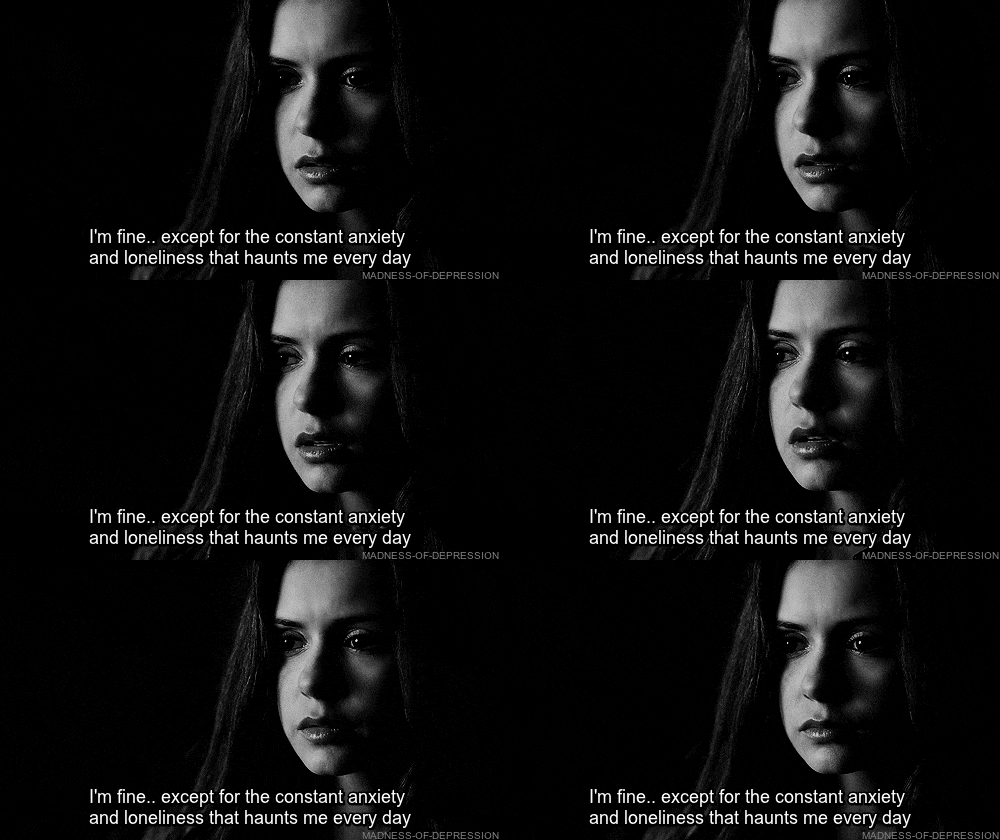
You are immensely, immensely sad. You have cried every tear you have and you have slain every dragon that has been presented in front of you, but no matter what you feel like you have lost. You have stopped seeing your success’ and the sunshine at the end of the tunnel. Emotionally you are drained and physically you are cold and light. The feeling of being utterly alone; convinced nobody understand what it feels like to be without the thing that subjected you into this misery to begin with. At this moment you have never wanted something so bad and at the same time, for the thing to never have existed. You are alone without it. But, you are surrounded by so much. Currently you are fragile and feel like if you could just have it again you would be set free and stop falling in the same tragedy over and over, day by day. Maybe you’d get out of bed and get ready for the day, or sing the song that reminds you of it, walk the same path you were once on, and perhaps even dawn on the memory’s to feel it even now that it is gone.
5. Acceptance
What they told you:
When you have reached this stage, you have realized what you had may not be coming back, and you are okay with that; or perhaps not. Either way, you have accepted that whether it returns or not you are going to make a new outlook of the situation. You know there is nothing you can do, and that your life will go on. Make a new goal, or fill your life with positive vibes again. Proceed on. You have made it through the stages of what seems like the worst time of your life. You are a survivor.
What they didn’t tell you:
You woke up today, and the tears ceased. Your skin suddenly doesn’t feel so tight. Your heart has gone back to its original beat, and your body doesn’t feel like it is being constantly dragged by gravity. Today you have decided; the pain will end. This stage can prove to be the hardest to get to, but once you’ve reached it, you have found the light on the other side of the tunnel. It’s no lie, you may still miss it, want it, etc. but today you will not let that get the best of you. Today you will live the life you need to live to be happy, and will not let the ‘goodbye’ continue to be the key you cannot find to the door of happiness. You would be lying to yourself if you pretended like you have totally forgotten about the whole thing, in fact you may keep something to remember it by. This can prove to be beneficial to the healing process, due to the fact that this is a part of the story of your life. But today, you chose to be happy. And some days, will be harder than others. Some days you may resort back to the ‘depression’ phase, but know that that is normal. Life wouldn’t be ‘normal’ if there wasn’t days to reflect and build off of.
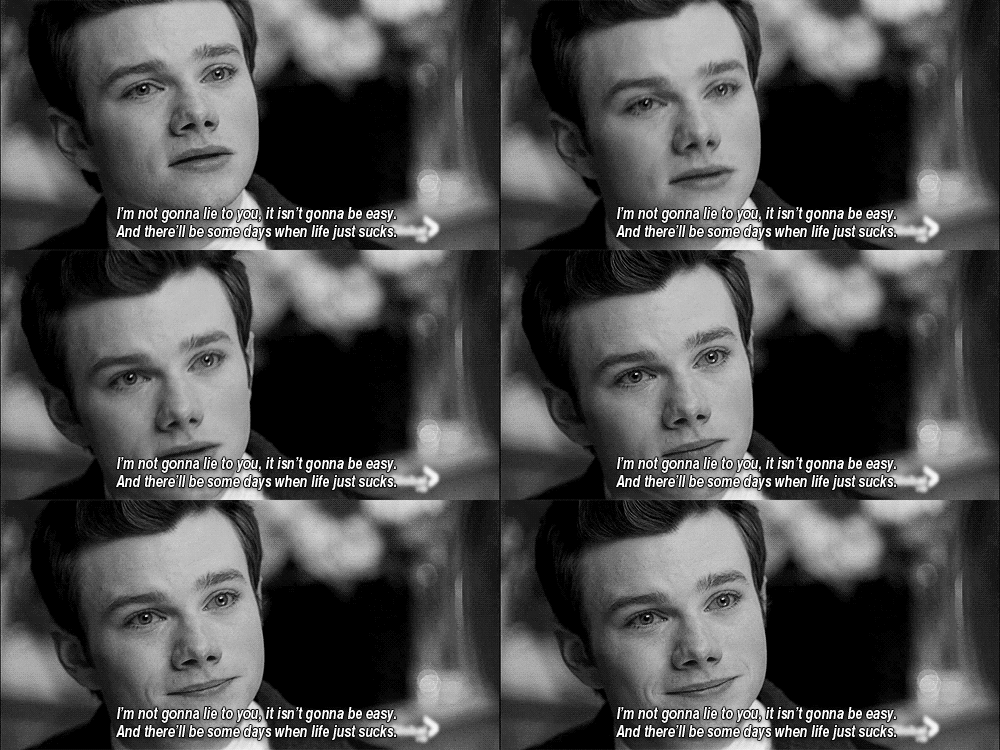
All-in-all, we do go through this self-perseverance cycle to figure out what we are made of. Sometimes we build our walls really high to guard our hearts and emotions, but in reality we cannot avoid these circumstances. Also, know you are not alone; ever. Grief is a cycle to test your personal strengths and feelings, but there will be people there to help you, they just can’t fix it for you. You are the creator of your own happiness.
Remember that I write this article to update what we as humans sometimes forget that people are going through. We all have different things that out us through this cycle, but inevitably, the ugly truth of the situation is that we are not perfect and we do encounter this cycle of emotions. There is always a light at the end of the tunnel we sometimes must crawl through to get through the other side; but it is there. Choose happiness, knock down the door, don’t just try to unlock it, but knock it down and expose that grief is just a roadblock that we create in our minds. Uncover its demanding effects, because “That’s the thing about pain…it demands to be felt” (John Green, "The Fault In our Stars"), but you can beat it in the end.