From August 5 to 21, millions of eyes will be glued to television screens all around the world as the 2016 Summer Olympic Games are held and broadcasted in Rio de Janeiro, Brazil. After the Opening Ceremony, hundreds of athletes will be put to the test and hope that their best efforts will be enough to earn them a Gold Medal. Over the course of 16 days, athletes will compete in 306 Olympic events, which involve 28 different sports. The participants have dedicated their entire lives for the chance to represent their country on the biggest stage that athletics has to offer.
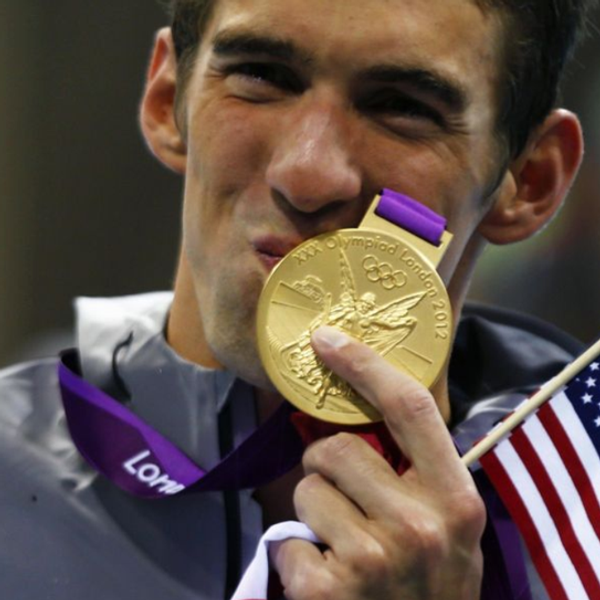
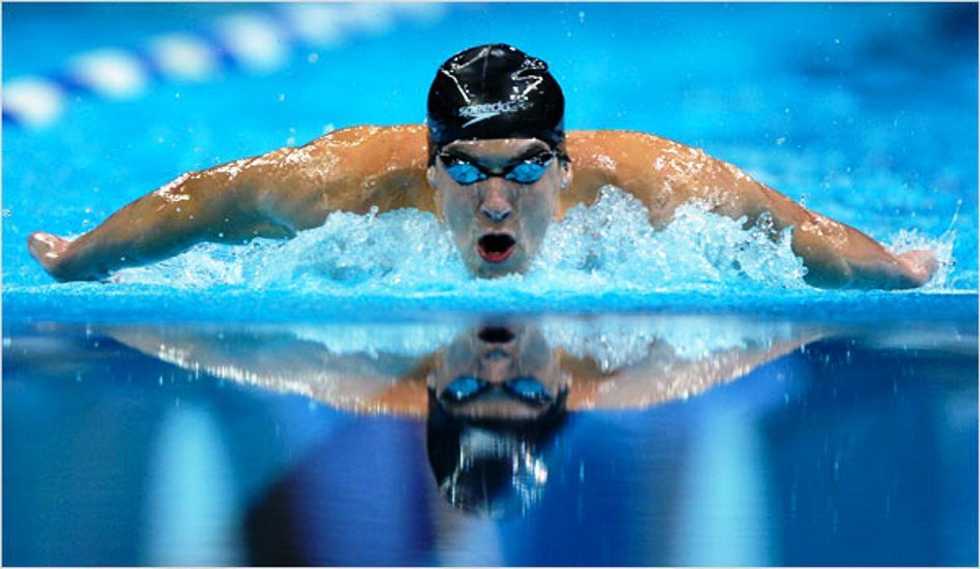
One of the popular events to watch is swimming. This sport has seen tremendous growth over the past couple decades and the difference between medals can come down to hundredths, even thousandths, of a second. Among the incredible competitors in this field is the most decorated Olympian in history, Michael Phelps. In 2000, at age 15, Michael Phelps became the youngest male swimmer to make the U.S. Olympic team since Ralph Flanagan qualified in 1932 at age 13. Phelps finished second in the 200-meter butterfly at the trials at the Indiana University Natatorium. He went on to his first games in Sydney, Australia but didn’t place in his event. Phelps turned heads in 2004 when he earned six gold and two bronze medals at the games in Athens, Greece at age 19. His journey was clearly far from over. In 2008, Phelps swam his way to eight gold medals in Beijing, China. By 2012, Phelps was within reach of being the most decorated Olympian of all time, pending his performance at the games in London, England that summer. To no one’s surprise, Phelps did not disappoint. He won six medals, four of them gold, for a total of 22 Olympic Medals.
After his races in London, Phelps retired and his life-long coach, Bob Bowman, left coaching. Despite his success in the water, Michael’s personal-life outside of the pool was not as picture-perfect. In 2014, with age 30 in his sights, Phelps realized that all the Olympic Medals in the world couldn’t solve his problems. "I didn't give a s***," Phelps said. "I had no self-esteem. No self-worth. I thought the world would just be better off without me. I figured that was the best thing to do – just end my life."
On September 30, 2014 Phelps was arrested for his second DUI. Five days later, he entered The Meadows, a psychological trauma and addiction treatment center about an hour northwest of Phoenix. During his time at The Meadows, Phelps went through a complete transformation. Bowman visited Phelps and saw the change with his own eyes. "I'm the most skeptical person ever," Bowman says. "I don't believe any of that 'He'll never change; he's always going to be that way.' But he was completely different in a way I never imagined. He was honest, engaged. I left there that day thinking maybe there's a chance this would help him."
Phelps says he hasn't had a drink since Oct. 5, 2014, his last day in Baltimore before leaving for The Meadows. "The swimming is fine – I'm glad for the swimming," Bowman said. "But quite frankly, if he stops right now and never swims again but stays in this place as a person, I'd be thrilled."
Phelps has decided to continue his career and swim for a final time in Rio 2016. As a new father, and soon-to-be husband to his fiancé Nicole, Phelps enters these games as a new man with a fresh outlook. Phelps said, "This is a new journey. I truly can't wait for the next chapter of my life. And I don't know the last time I've said that."