

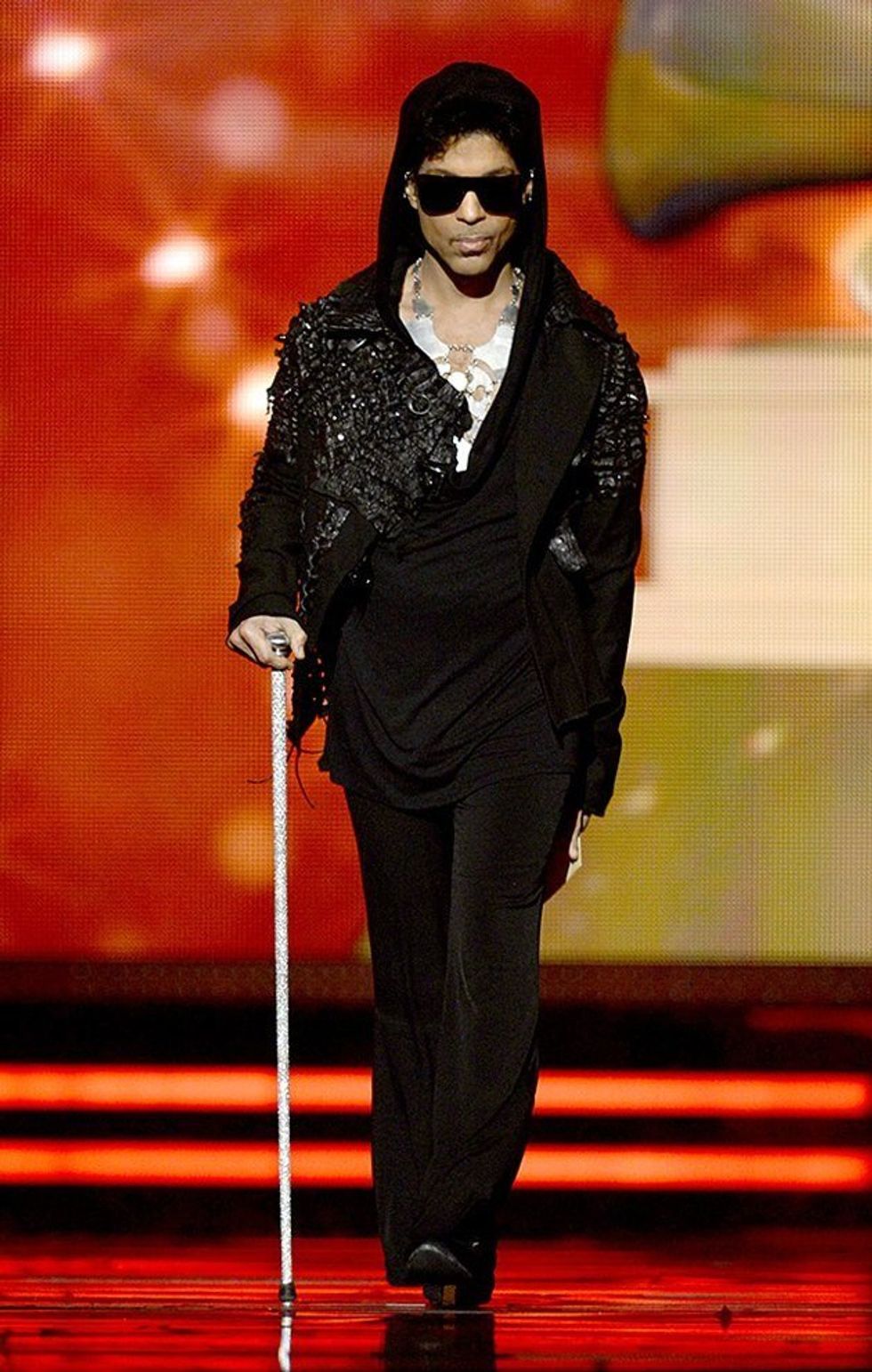
The day Prince died, people were speculating, waiting with baited breath to find out the cause. Before anything could be confirmed or denied, news sites were putting all their money on an OD. The longer we go without an official autopsy report (it’s been nearly a month and there’s still no sign), the antsier everyone seems to get.
Even Christian Daily is on the gossip bandwagon with an article titled “Prince cause of death rumors update 2016: Officers seen searching estate.” They conclude, ultimately, that “a low enforcement official allegedly revealed to AP that investigators are open to the possibility Prince died from an overdose.”
It makes for a sad story, a tragic one. A cautionary tale, even.
Interviews with those close to the late star (including Sheila E.) don’t deny the use of prescription opioids, namely Percocet, but they go deeper than that. Prince has reportedly been in chronic pain for years due to hip problems.
Dr. Howard Kornfeld, who the media has largely referred to as an “addiction specialist,” is a chronic pain specialist Prince was scheduled to meet the day he died. He helps patients suffering from longstanding pain to manage it more effectively by looking into diet, exercise, and psychological/CBT coping. If medication is needed, he turns patients to less addictive opioids. This information just confirms that Prince was, in fact, facing problems with pain. The way the tale’s been spun, however, speaks of drug addiction as the problem where it seems to be only a symptom.
The ideal use of opioids is none at all, of course, but the most ideal use of opioids when they must be used is after an injury or operation until it’s healed; short-term relief to take the stressors of pain off your body and mind so you can heal.
Nobody likes to talk about the less-than-most-ideal need for prescription painkillers because it sounds dreadful. What about people in chronic pain? Those who don’t have a singular problem that’ll fix itself with time? We tend to not talk about it. We tend to assume that if there’s a pain someone has to live with, then they’d better just deal with that fact and suck it up.
That isn’t really how pain, the body, or the mind work.
The fact Prince was on pain medication shouldn’t be the focus, though this seems to largely be the case. The focus should be on the fact that he was in pain, caught in a ridiculously hopeless cycle of trying to fix his body and freedom from his pain, and it must have been wearing him down for years. Opioids aren’t ideally used long term. They can have horrible side effects and harm your health in other ways. The body adjusts to them eventually, and physical dependence develops. More and more has to be taken to get the same relief. If his scheduled meeting with Dr. Kornfeld was any indication, though, Prince was fully aware of the problem he was facing and taking steps to end that cycle.
The attitude around chronic pain is “there’s no use complaining because it’s not like it’ll kill you,” but that attitude comes from things like everyone’s eagerness to blame Prince’s death on a drug overdose. If the autopsy report claims the cause of death to be an opioid overdose, just remember, that only means it was the straw that broke the camel’s back.