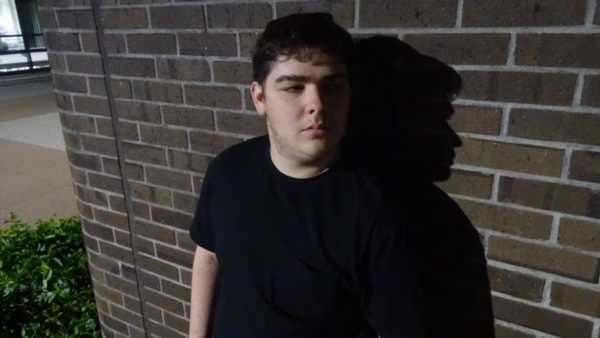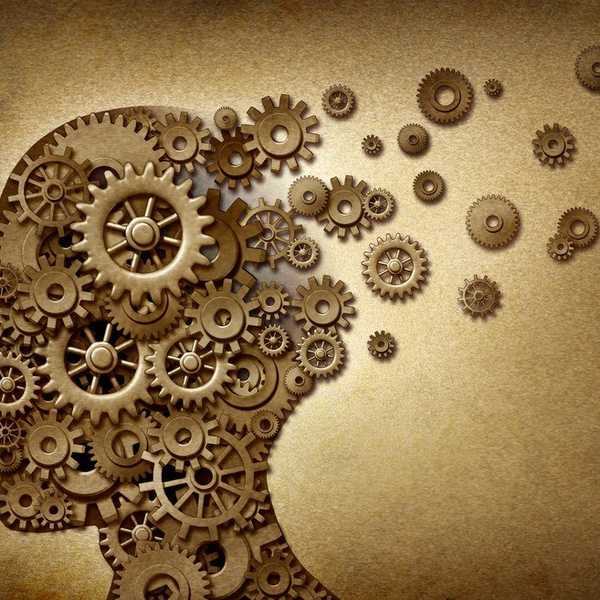

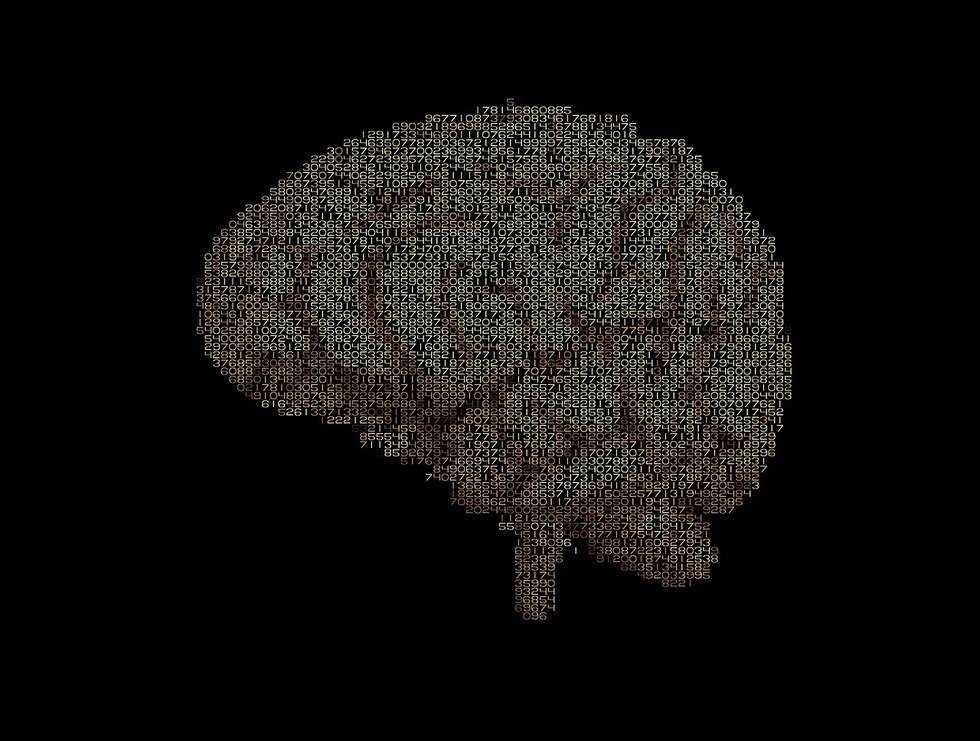
One-in-five Americans will suffer from some mental health disorder at some point in their life. One in five. Look around you, that could be your friends, classmates, teammates, co-workers and even your family. Now tell me this, do they fit the stigma of what a person suffering should be like?
Mental illness refers to a wide range of mental health conditions and disorders that affect your mood, thinking and behavior. This includes depression, anxiety disorders, schizophrenia, eating disorders and addictive behaviors. Research will show you that the public generally has a negative perception of mental illnesses leading to the creation of false stereotypes.
Because of this negative perception, individuals that suffer from such illnesses tend to keep them a secret and refuse to seek treatment due to their fear of what people might say. People that are suffering from common disorders such as generalized anxiety, depression and ADHD are put in a place of shame due to their mental “shortcomings,” and society doesn’t see a problem with it. They continue to shame and treat these individuals differently because of something that isn’t right in their brain, something that they cannot control.
The stigma of mental illnesses ends up scaring most people into hiding and keeping how they feel a well-guarded secret. It causes people to think that there is something horribly wrong with them and that they will be cast from society if they so much mention that they just don't feel right. Not only is it hard to open up to someone about something like that, but it’s embarrassing to try to tell your friends that you’re just not okay most days and you’re not exactly sure why.
Did you know that half of all mental illnesses show first signs before an individual even turns 14 and that less than 20 percent of children and adolescents with diagnosable mental health disorders receive the treatment that they need? The lack of treatment to a child at such a young age can not only cause a child confusion as to why they aren’t like other children and thinking that some thing's wrong with them that they can’t control, but it also interferes with other developmental needs.
This is me saying it's time to make a change in the way we perceive mental illnesses.
I remember the first time I opened up to someone other than my mother and my therapist about my depression, I got a sideways look. “But... you don’t look depressed, you look happy” was the response I got. Correct, I don’t look depressed. I smile, I laugh, I go out with my friends. Have you ever heard the phrase “fake it till you make it?” If I had a life motto, that would be it. There are days I can’t get out of bed, I can’t muster up enough energy to get up and fake it all day so I don’t. It’s hard to explain to my friends why I don’t want to go out that night or why I haven’t responded to texts because I’ve been asleep all day not wanting to take on that day's challenges.
Along with suffering from manic depression (alternating moods of abnormal highs and lows), I suffer from anxiety that is horrible and crippling. Yes, anxiety is described as a feeling of worry, nervousness, or unease about an event or an uncertain outcome, but it is so much more than that. My anxiety has prevented me from enjoying some things in high school and has carried on into college. Sometimes I don't go out with my friends because my anxiety gets so bad just worrying about everything I have to do for that week. Overreacting is a common thing for me which has pushed away a lot of important people in my life and made me feel like there is something horribly wrong with me.
I believe that the stigma that comes along with mental illnesses is making the individuals that suffer sicker. They are forced to feel like they are outcasts and that they don't fit in because there's something just not right in their brains, something that they can't really control.
It's hard to open up about mental health, but we need to stand up to the stigma. Standing up and speaking out is the only way we can beat it. You should never be blamed for your mental health, it is very much real and very much a problem and it's time to start acting like it. I'm here to tell you, you are not alone. You are loved and you are accepted. You are so much more than your illness.
If mental illness could be seen on a sufferer, maybe society wouldn't say "just get over it."