
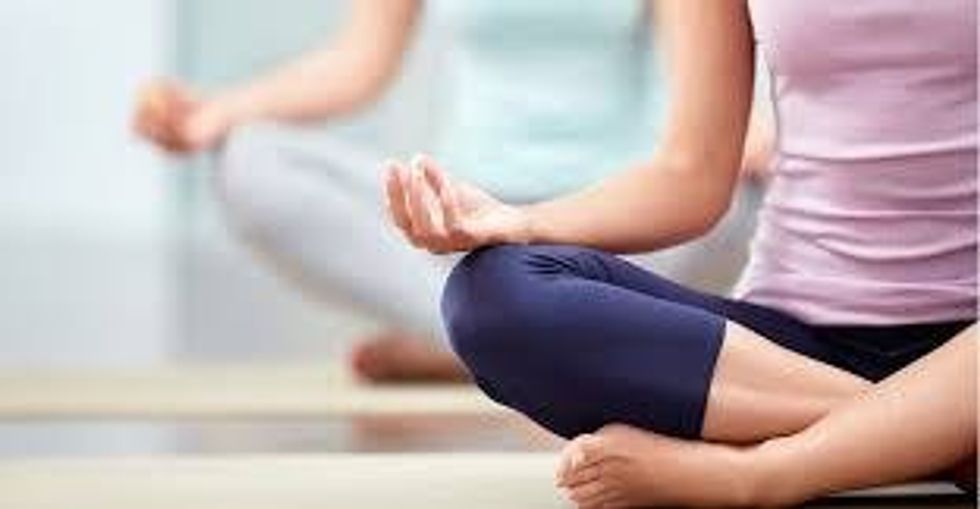
As the daughter of a Yoga instructor, I've come across many people who have plenty to say about the practice. As a born and raised Austinite, I was used to the use of the words "chakra" and "meditation," but I also found that many people disliked yoga, dismissed it or even found it to be morally wrong. As I did more research and talked with my mom about the practice, I found that many people have misconceptions about the health practice that is yoga. Here are some of those misconceptions.
1. Yoga is a religion.
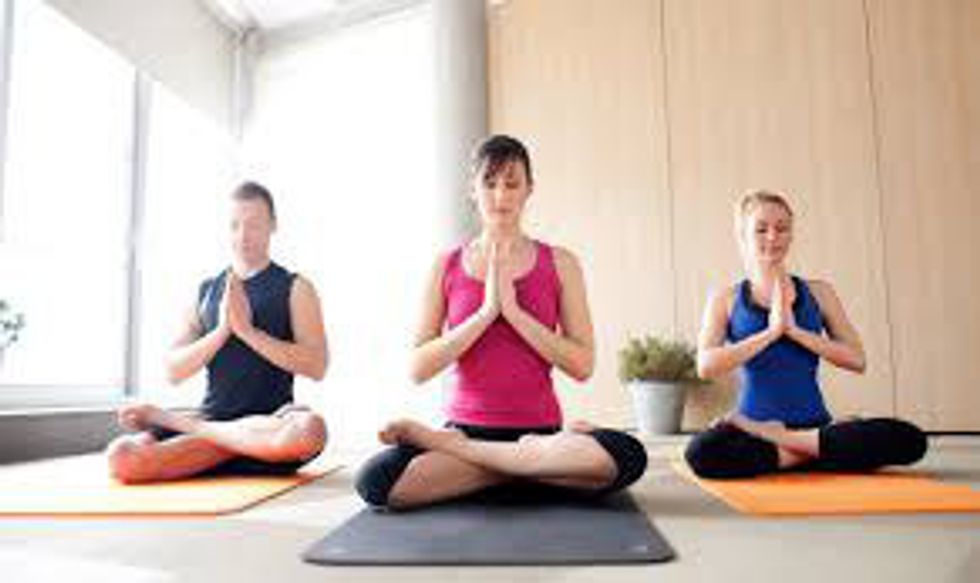
This is a little tricky. Yoga does have spiritual origins and properties. It is designed as a mental, physical and spiritual practice. However, it is not a religion in itself. There seems to be a consensus yoga is in religion, but religion not to be in yoga. What that means is that yoga may be included in some religions, but it is not characteristic to certain ones and it is transcendent of such a label. It is meant to be for the self. It is also important to remember that yoga is extremely scientific in the way it has the body move.
2. Yoga is demonic.

This is similar to number one, and these misconceptions both are common in Christian communities. I've had people come up to my mother and warn her against practicing yoga because of its demonic properties. I assure you, the devil himself is not going to rise up from your mat and possess you in down dog. Besides, what goes into a man doesn't make him unclean, but what comes out of him does. Trust me, stretching your hamstrings, practicing good breathing techniques or meditating for five minutes is not demonic unless you are meditating on dark thoughts.
3. Only hippies do yoga.

4. You have to be flexible in order to do yoga.

This one is similar to number three. But actually, the reason people do yoga is because they aren't flexible! Yoga requires you to slowly stretch your muscles and break up the fascia that is built up from hard workouts such as running, cycling or sports.
5. Yoga only stretches the body.

While yoga does help flexibility, it also is great for strength all over your body. Certain types of yoga, such as vinyasa flow or bikram actually can serve as a great cardio workout and get a sweat going. Yoga is also great for the posture and your core.
6. Om.
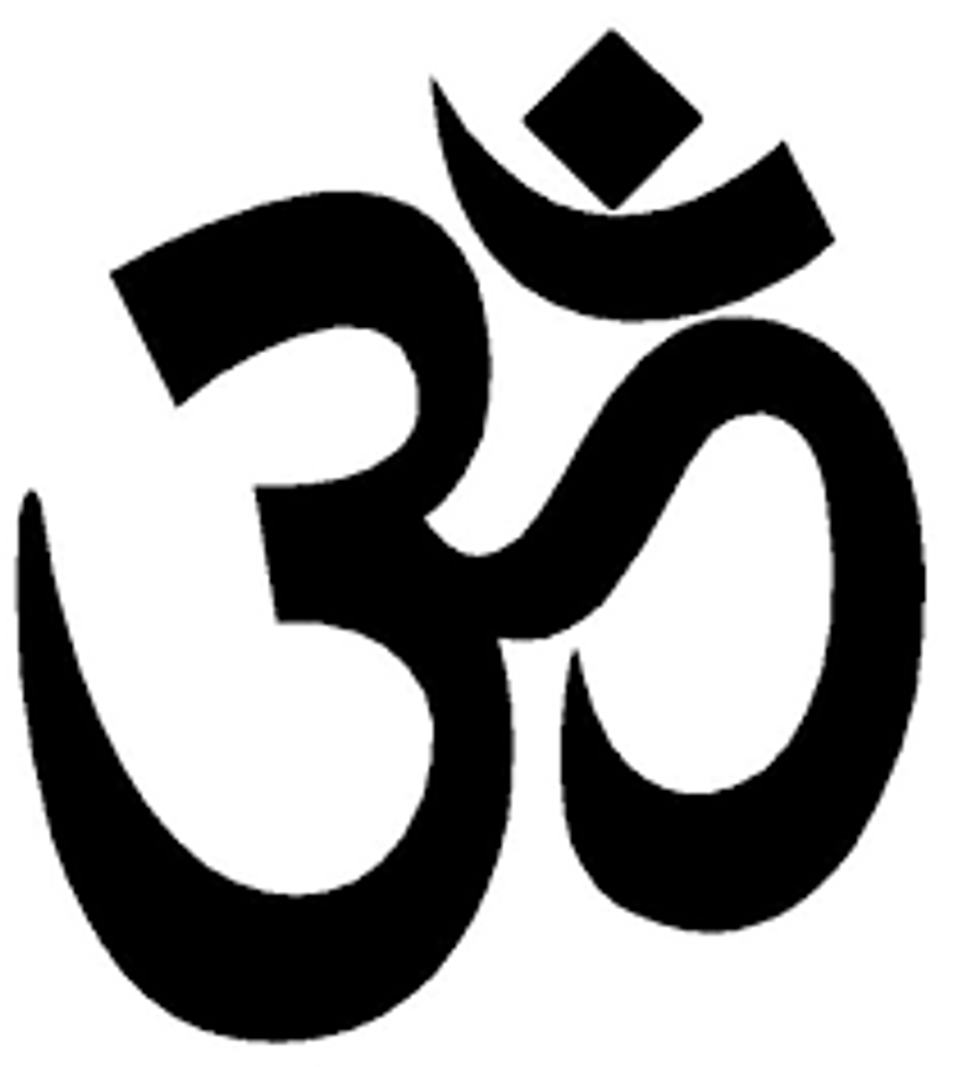
7. Namasté.
This word means, "The light in me acknowledges the light in you," or "The divine in me acknowledges the divine in you." It is another Sanskrit word that does have connections to the Hindu religion and it is considered a respectful greeting in those circles. Some yogis say this at the end of their classes as a farewell and some yogis do not say it. Again, this is a relative word, like om. It means what you choose it to mean. A sector of yoga within Christian meditation uses it to acknowledge the light of Jesus in each other. This sector of yoga is called Holy Yoga, and it is the yoga institution my mother teaches with. It might help to think of the words om and namasté as words that can be used religiously because of their origin, but also can be separate because they are man-made. They are merely words.
8. Zen.
Zen has grown to have many meanings. It is a Japanese school of Mahayana Buddhism that focuses on the importance of meditation and intuition. Zen has also become a synonym for a relaxed state of mind in western culture. Zen Yoga is a combination of Asian thought and Eastern Indian thought. However, like most yoga words today, it has no specific meaning. It is seen as an approach and a technique for clarity and focus, heavily influenced by breath work. That is its relation to yoga. Zen in relation to yoga isn't necessarily religious or new age, it's simply another approach to the practice, unless you practice Mahayana Buddishm.
9. The Chakras and Chakra balancing.
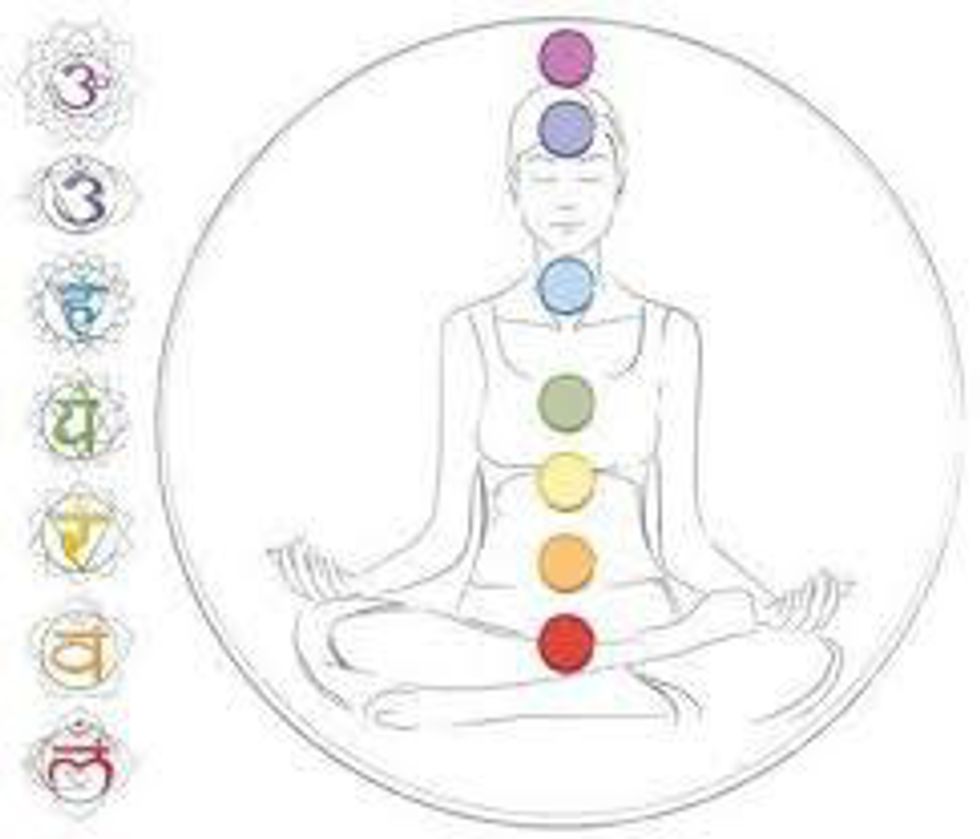
There is the crown chakra, the brow chakra, the throat chakra, the heart chakra, the navel chakra, the sacral chakra and the root chakra. In the western world these translate respectively to the brain, the pituitary gland, the thyroid gland, the heart and lungs, the adrenals, the kidneys and the reproductive organs. While there are mystical properties connected with these chakras, or centers of the body, they are also scientific. For example, while balancing through yoga, the throat chakra (the thyroid gland) is supposed to help with self-expression, endurance and energy. It is proven that the thyroid gland secretes fewer metabolic hormones in yoga and slows aging. The seven chakras are thought to be the seven energy hubs of the human body. Well...I'd agree. The brain, the heart, the adrenal glands...all of these are important body parts that control how our bodies function. Yoga is scientifically proven to help all of these organs perform better. Thus, this is not simply a spiritual practice, but a scientific, physcial and mental one.
10. Mantra.

However, when it comes to people, one can find countless scholarly articles on the benefits of speaking out positive phrases or thinking positively. Here's one from as early as 1993.
11. Meditation.

Hopefully this article is helpful. Yoga is a wonderful practice and can be very rewarding and fun. Its healing properties have been helping individuals for ages. The practice of self-realization and mental clarity has a deep impact on a person's well being. Many people with eating disorders and other mental issues have experienced healing through yoga. I know this because my mom teaches with them. So, maybe you'll give yoga a try. Or, you can always Namastay in bed. I do that too.
Information gathered from Holyyoga.net.