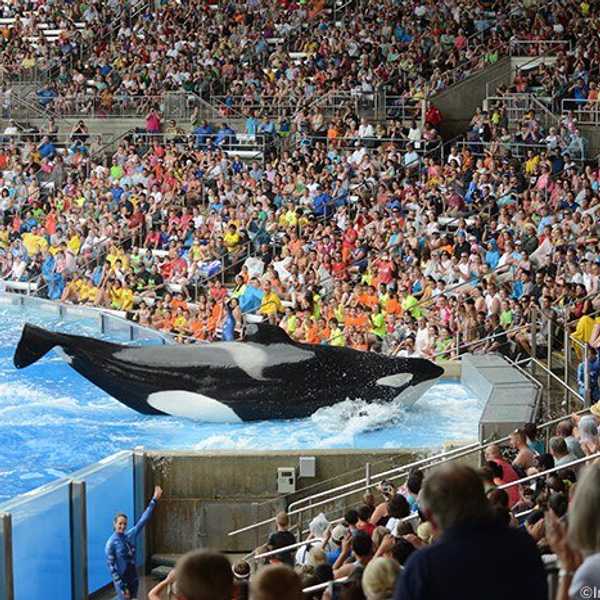
Within the past couple of years, surrounding the release of the documentary "Blackfish" in 2013, there has been a roaring protest against the existence of SeaWorld and its practices. With its amazing demonstrations and animal encounters, it has been on the map of America’s greatest tourist attractions for a long time. Now, SeaWorld is facing a decline in profits, visitors, and an incline in activists against them.
Whales are incredibly social mammals. In fact, they possess an extended part of the brain, called the paralimbic cleft, not present in humans, which processes emotions. This is seen in every aspect of their lives. Outside of captivity, orcas grow up in family packs and develop a dialect unique to their own family. They have learnt behaviors passed down from generation to generation and depend on that family bond to develop their skills and knowledge. However, SeaWorld has done many things that have erased this natural behavior such as separating mother and child. The example given in "Blackfish" is of Kalina, the first baby Shamu.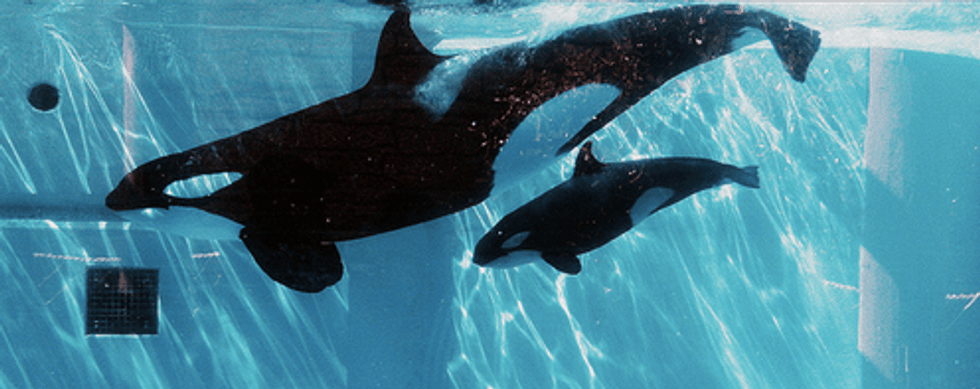
Born in captivity, her birth was a huge selling point for visitors to encounter a baby orca. That was until she became disruptive. When Kalina proved a hindrance to the success of the show, she was shipped off to another park and separated from her mother. In instances like this, mother whales have shown to present long-range vocals that have never been heard before in hopes that their child could hear them. This and other mistreatments such as over breeding, not feeding the whales full meals as punishment, whale-on-whale aggression brought on by mixing families, and more have all been examples of how the history of orca captivity has proven to be animal cruelty.
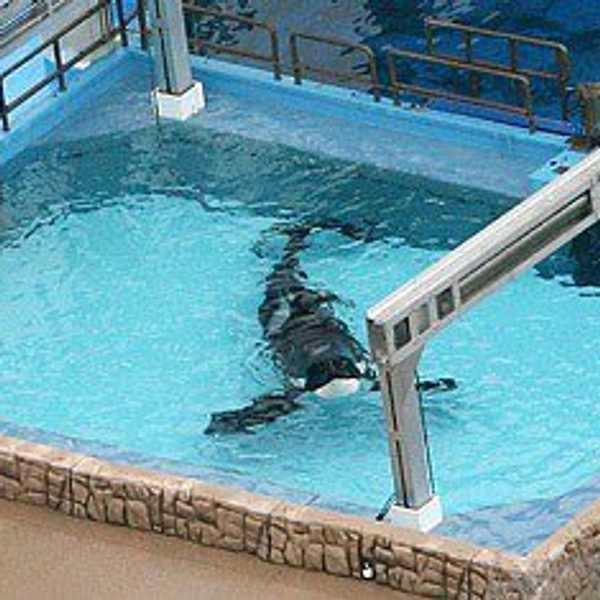
With the knowledge of mistreatment the orcas undergo, it shouldn’t come as a surprise that these animals are facing depression, agitation, anger, and more emotional strain. Locked into a concrete pool with strangers and forced to perform, the whales have become aggressive. Most famous for the killing of two SeaWorld trainers and a civilian is Tilikum. So the question is always asked, why would they keep Tilikum as not only an active participant in the park, but as one of the main attractions? Tilikum is a sperm bank for all SeaWorld parks. In fact, in "Blackfish" it is noted that his genes account for up to 54 percent of whales in the SeaWorld parks. It is puzzling to realize that they keep breeding an animal that has proven to show aggressive and deadly behavior while in captivity.
In the backlash coming after "Blackfish," SeaWorld has been scrambling to find ways to settle the minds of people who have stopped attending the park. They have spent millions of dollars on new commercials selling the point that they treat their orcas with respect and provide them with healthy living situations. SeaWorld San Diego even came up with an expansion plan that would cost around $100 million. This plan will expand the pools in hopes that this will lessen the hysteria around the fact that the orcas don’t have enough room to live healthy and full lives. This plan has faced major protest, but was passed recently on conditions activists view as a step in the right direction. Though they are allowed to expand the pool, SeaWorld San Diego is no longer allowed to breed and limits have been put in place that restrict how whales are able to be brought into the park. This means that the 11 orcas currently living in captivity will not be replaced by breeding. This gives hope to activists, seeing as SeaWorld’s major profits come from the orca performances. The possible end of orcas at SeaWorld combined with plummeting profits make the future of orcas, and other animals kept here, a much brighter one.
Orcas are big, beautiful, wild animals that deserve to roam freely in the oceans of our world. Like any other animal or human, they do not deserve to be kept as slaves to the entertainment world. The best alternatives for Tilikum and the other whales already in captivity is to be moved to an ocean sanctuary where they can live out the rest of their lives in their natural habitat. In order for this to happen, though, we need to take a stand against corporations such as SeaWorld and Miami Seaquarium. You can become educated on this subject by watching documentaries such as "Blackfish" and "The Cove," become proactive and go to protests, but the easiest thing to do is to stop going to SeaWorld. If profits go down, captivity does, too.