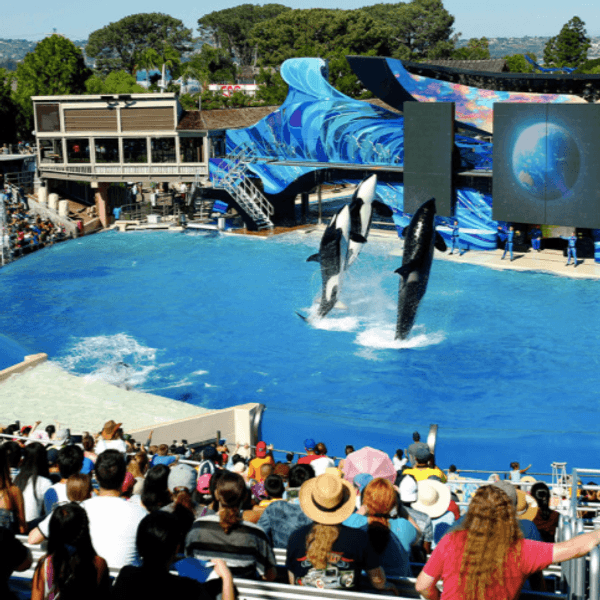
In 2013, the documentary "Blackfish" was released after controversies surrounding the dangers of SeaWorld. The movie follows the stories of the killer whales held in captivity, focusing on Tilikum, a whale who killed a trainer back in 2010. The documentary also shows what captivity truly does to these animals and how they are compared to animals in the wild. Since the movie was released, SeaWorld's sales have dropped by 84 percent. For those who aren't informed, here are a few things you probably did not know about SeaWorld.
1. The trainers are performers who have no education in marine biology.
Most people assume that the trainers went to school to get the jobs that they have, when in fact they just have to try out for the job. They only have to be entertaining, in good shape, and can swim well. Obviously doesn't seem very safe for these people to work with such dangerous animals.
2. Orcas live longer in the wild than they do in captivity, opposite of what SeaWorld tells people.
The average lifespan for an orca living in the wild is 30 to 50 years, while the average age of death for orcas living in captivity is 13 years old. In fact, at least 162 orcas have died in captivity.
3. Dolphins and orcas spend their lives living in cramped areas.
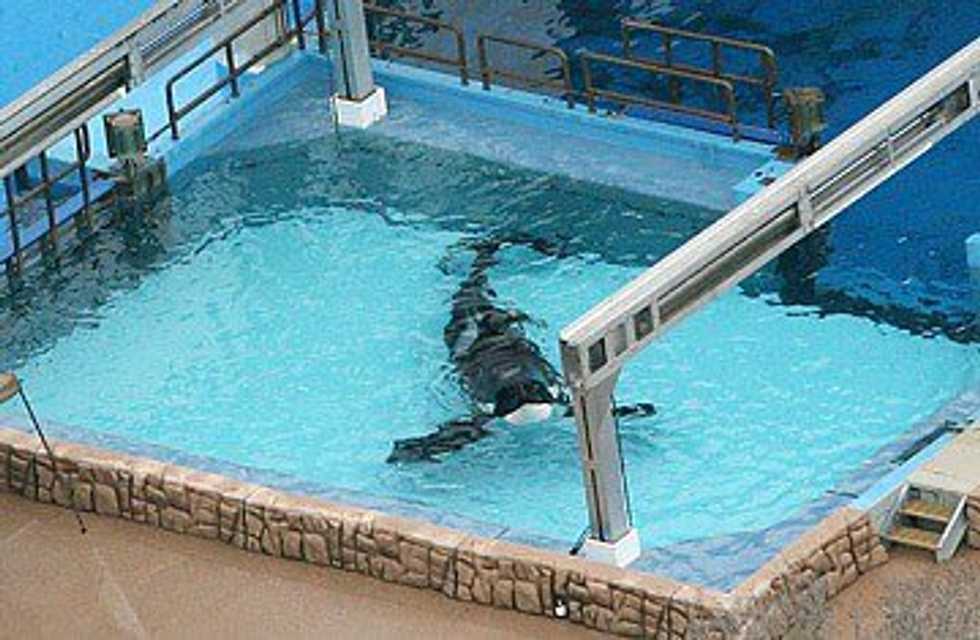
The dolphins and orcas spend their entire lives living in small, cramped areas with no room to explore. They are often times put in the same tanks with other dolphins and orcas that are much bigger than them, leading to fights and injuries.
4. Orcas were originally captured from the wild and then sold to SeaWorld.
Tilikum was captured from the wild as a young calf and then sold to SeaWorld after he attacked a trainer at an old facility, leading to it being shut down.
5. They often separate calves from their mothers at very young ages.
After a baby is born, SeaWorld will either keep it, train it, and use it for their shows, or they will sell it to another facility or SeaWorld in another state or even another country. This leaves the mothers searching and panicking for their babies, making long distance cries for for them.
6. Even after three deaths caused by one whale, he is still in captivity and used for shows.
Tilikum was captured over 30 years ago but has killed three people. He is still in captivity, isolated from other whales in an even smaller tank and is still used for entertainment.
7. Fifty-four percent of orcas have Tilikum's genes.
It is obvious that Tilikum has aggression problems, so why would SeaWorld continue to use him as their main source of breeding?
All of these things are inhumane, selfish, and unknown to many. These poor animals are being put through torture for our own personal entertainment. Just imagine if us humans were captured, treated poorly, and then forced to put on an act for others in order to simply be fed. Imagine living your whole life confined to only 0.0001 percent of the space that you are used to. How would you feel? Spread the word, end the animal cruelty caused by SeaWorld.