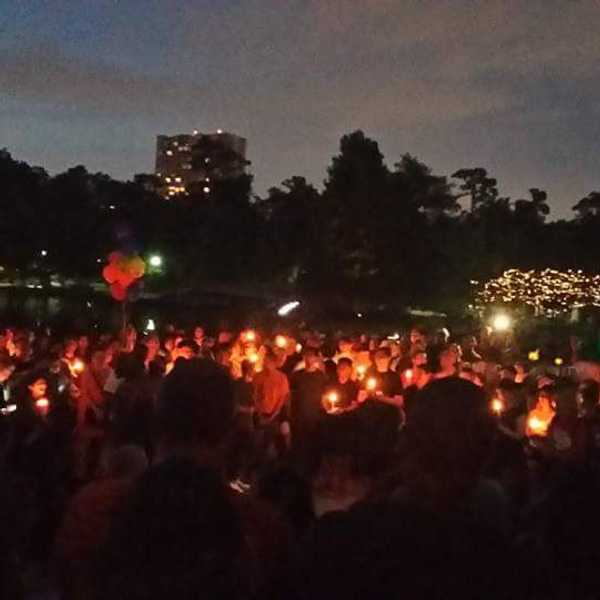
Perhaps it was only apropos that November 9th was a gray and dreary day, rain making a steady pitter-patter on every brick walkway. Speaking as someone who has stayed on campus during breaks, when almost nobody is there, it was the most eerie quiet I have ever heard. The difference this time is that there were people, lots of people, all silent.
I had stayed up unreasonably late following the election. After it was confirmed that Trump was the victor, I heard the chants of “LOCK THEM UP! LOCK THEM UP!” from outside my window, and the screams of anguish. The morning afterward, I determined there was a Trump supporter in my wing of the building, for I heard “Ding Dong the Witch is Dead” whistled two or three times.
There were angry rants and polemics all throughout the sites I followed. William & Mary Facebook was calling for ‘solidarity’ and a forum I frequent was distraught to the point of stickying suicide hotlines on the political chat subforum. There was a palpable sense that something was dreadfully, dreadfully wrong, from all the liberals I knew.
I’m a conservative who detests Trump and did not vote for him.
I’ve seen this coming since at least 2012, if not 2008.
I, in all frankness, feel like the crazy guy in the disaster movie and tried to warn the world, but was ignored, and the apocalypse comes as it will.
As of writing, I feel that the history of the Democratic Party from the Bush II years to now will be seen as a tragedy worthy of Aeschylus, Sophocles, Euripides, and Shakespeare. It is a tale of an arrogance so pervasive that it is best described as hubris.
In the last eight years the liberals that have filled my social circles and those in the media have grown complacent. They have been infected with the disease of victory, the notion that since their candidate has won, they have won and will continue to win. Perhaps this is a product of my generation getting its political start with the 2008 election; all they can really remember in any detail is a world that agreed with them, that confirmed their biases and comforted their fears.
Now, this group of liberals has had its bubble burst. No longer must they isolate themselves to their lily white suburbs and their universities, to their gated communities and their curated social media. Now, they must face a nation that is so beyond infuriated with their smugness and entitlement that their long-presumed ideological hegemony is no longer here. The nation, to adopt the parlance of modern day activism, is sick of their liberalsplaining.
As I have stated previously, I dislike Trump, but I have seen his ascent coming, if not in the form it has specifically taken. After the exuberance of liberals after Obama’s victory in 2012, the elections of 2014 gave a muffled shock to the system. The Senate went Republican.
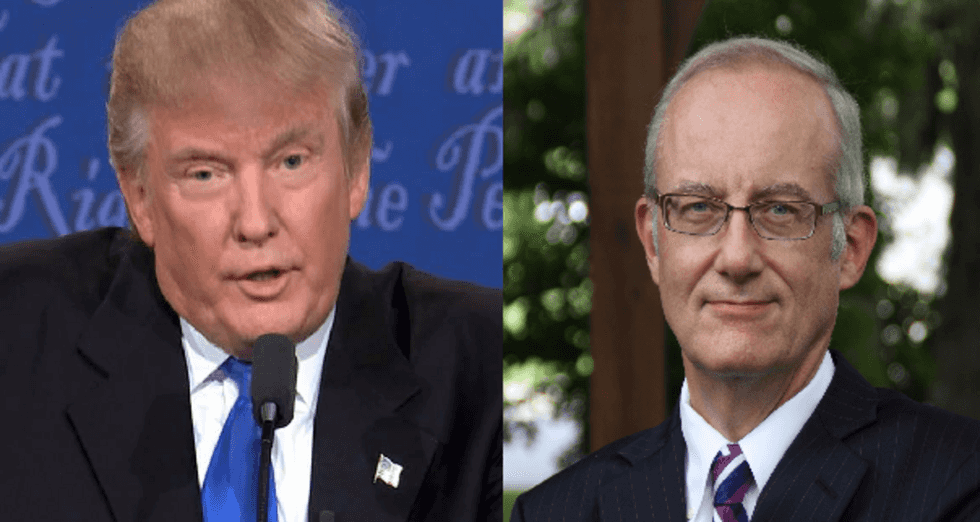
However, it was more local that I saw the very first signs of discontent. In my home of Arlington County, Virginia, just across the river from Washington, we had an outsider candidate named John Vihstadt. In our county with five members on its Board, we saw an establishment Democratic candidate, Alan Howze, and the outsider Vihstadt going for a seat. Vihstadt had been elected in a special election after the resignation of a councilman named Zimmerman, and so November 2014 was a rematch.
Vihstadt, I feel, predicted the Trump phenomenon. He was a former Republican who ran as an independent. He was endorsed not only by the county Republicans but also the county Greens. This alliance of odd bedfellows was forged in the opposition to several wasteful expenditures passed by the Democratic board, most flagrant of them a streetcar on a busy east-west street that would have exacerbated traffic and cost an outrageous amount of money. The Republicans opposed it on cost grounds, the Greens on environmental grounds. The Democratic establishment was challenged by a newcomer, and lo and behold Howze fell to Vihstadt.
Vihstadt encapsulated a sense of realignment as a way of revolting against an out of touch elite. He was not the bigot Trump is, no matter how much the county Democrats dredged up connections to the Nebraska Republican Party. He did, however, tap into a deep seated discontent in Arlington County, and forced the reevaluation of County fiscal policy, starting with the cancelling of the Columbia Pike Streetcar.
What I wanted, throughout those years leading up to the recent election, was a national Vihstadt. I saw echoes of it in the Maryland gubernatorial election, and again in the Congressional elections. It soon became clear to me that Trump, and also Sanders to a degree, represented this shift, this rumbling discontent.
Liberal neglect of large swathes of the country led to Trump, as did liberal neglect of anything other than their particular brand of latte liberal led to Vihstadt. The reasons for Clinton’s loss have been picked apart time and time again in the two weeks since Trump won, so I will not belabor them once more.
But, as the nation’s liberals continue their hysteria, it cannot be said that this was not foreshadowed.