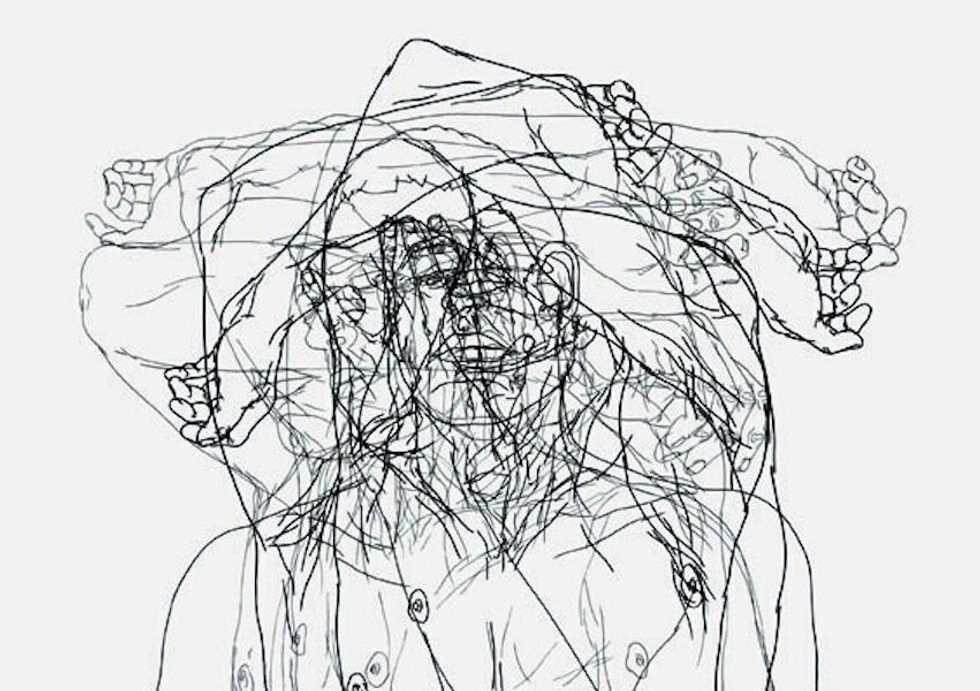
I am suffocating. My ribs are caving in on me as we speak, and my heart is ramming against its cage, trying mercilessly to escape. I have thousands of horses galloping across my chest, stepping haphazardly on organs I need in order to breathe and swallow and function as a human should. I am writing this while in the middle of a panic attack, and I am aware of this. I know what is going on, I know that I am having a panic attack, and yet this knowledge does not help me. I am trapped; I cannot move. I am shaking; I cannot stop this feeling. There is nothing I can do besides force out ragged breaths and try to calm myself down until this passes. I am helpless, a prisoner held captive by the physiological symptoms produced by my own mind. This is what having a panic attack looks like.
Panic attacks are real, they are not concocted symptoms created by people who are slightly “off” or a little too anxious. Panic attacks feel real. That is why so many people with panic disorder end up in the ER, terrified that they are having symptoms of a heart attack. Panic attacks feel just like a heart attack, only nothing is actually wrong. Sometimes I think this is worse, because at least if something physical was happening, maybe it could be treated. But this is all in my head, even though I feel it everywhere else. I don’t think people without panic disorder will ever understand how difficult it is to deal with panic attacks, and how helpless you feel when your mind creates physiological symptoms that no one else can see and that won’t show up on any tests. I don’t even know what triggers my panic attacks most of the time; it could be anything or nothing—I have sometimes woken up just to experience a panic attack moments later for no reason at all. It is such an uneasy feeling; one I can most closely liken to the moment you gasp as you tip back on a chair, right before you fall, only this feeling lasts for hours, as if the chair is suspended in mid-air but you still feel that you are tumbling backward endlessly.
Sometimes writing helps and I feel myself calming down slightly as my fingers dance across the keyboard. But I still do not feel okay, and I know that I will not feel okay for a while longer. One of the best ways to get through a panic attack is to do something that distracts you; I find that doing something with my hands makes me feel best, whether that is typing, drawing, or playing the piano. Sometimes I can drive, but it depends upon the intensity of my panic attack. Right now is not one of the times that I can drive. I want people who do not suffer from panic attacks or panic disorder to understand that while we may look fine on the outside, our bodies are shutting down. I have lost the ability to control my mind, and am therefore forced to endure real symptoms without a real cause. I want people to understand this, because instead of looking at me blankly when I say that I am having a panic attack and carrying on with their lives, I want people to understand that this is not just anxiety.
This is not ‘butterflies’ in your stomach before you talk to someone you don’t know well or nerves before taking a test. This is far greater than that; this is the stuff that drives people to emergency rooms and hospitals. This is the stuff that makes you have to pull over on the side of the road because you are worried you might pass out. This is the stuff that pins you under the covers in bed waiting for the moment you can finally breathe again. This is real, and this happens all the time, sometimes daily for me. I lose hours of sleep and hours of wakefulness to my panic attacks, and I want people to know that this is not a fictional disorder or mere anxiety. Instead of staring blankly, try to calm the person down. Sit with them and help them concentrate on their breathing. Take them for a drive. Talk to them about mindless things. Rub their back if they like to be touched. Distract them. That is what a panic attack looks like, and that is what a person helping someone through a panic attack looks like.