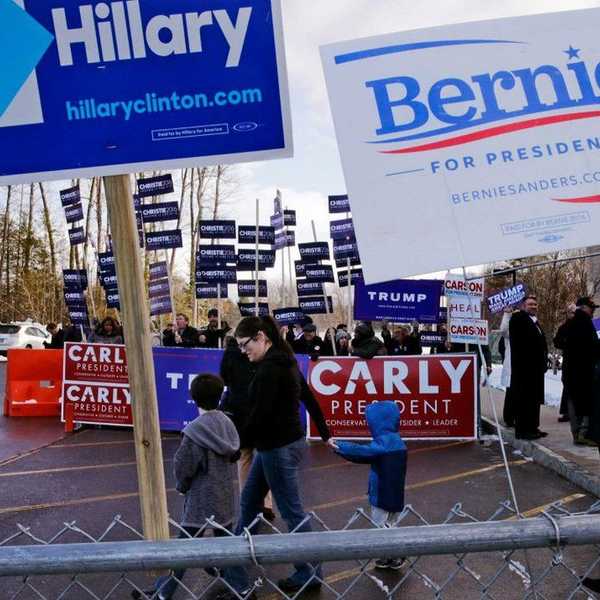
Last week the Indiana Primary essentially determined that Trump will be the Republican Nominee in the 2016 Election. With Trump’s next win and more delegates, Cruz dropped out of the Republican race. Sanders won Indiana with 52 percent of the votes. A loss for Sanders might have meant another candidate dropping out of the Primary race.
The Republican candidates need 1,237 delegates to win the nomination and Trump has 1,020. On the Democratic side, the delegate count is much closer. Clinton has 1,705 of the 2,383 delegates needed to secure the position as the Democratic candidate. Sanders has 1,415 of the 2,383 delegates needed to secure the position as the Democratic candidate. However, Clinton has far more superdelegates-523-compare to Sanders who has 39 superdelegates.
For terminology, a delegate is a person who represents the results from the primary election. Delegates come to the national conventions and represent their pledged candidates. The Democratic Party differs though they have superdelegates at Convention. Superdelegates are not pledged to a certain candidate and can hugely shape an election. For more on delegates and superdelegates, check out this article in the NY Times. Recently, a petition to remove superdelegates has been proposed because of how these delegates skew the elections.
With all of the media attention focusing on the Presidential Candidates, it is also important to remember that contested races in both the Senate and Congress can hugely impact the next four years. In this election cycle, there are 34 Senate elections and all 435 House seats. A blue or red Senate and Congress would hugely impact which legislation is passed and which Supreme Court Justice is nominated. In order for Senate to have a Democratic majority, Democrats will need to win five Senate seats. In order for Congress to have a Democratic majority, the Democrats will need to win 30 seats. Ballotpedia gives a detailed interactive map on which states are contested and which way they are likely to vote.
Also incredibly important and rarely receiving much media attention is the role of local elections in state politics. Although very large decisions come from the Executive and Legislative Branches, such as Obama’s Healthcare Bill, that do impact individuals, it is local elections that can hugely shape a person’s surrounding environment. As important as it is to understand the National candidates and the issues they highlight, it is also important to understand what is happening on the local level.
Local government has the largest impact on spending allocations within communities. If a small white and affluent population is the primary voting population in a predominantly non-white community, then this small group has a lot of power. This is important when discussing redistribution of resources and funds. As we head into the final weeks of the Presidential Primaries, it is important to also look up who will be running for office in Senate, Congress, and on the local level. The President will play an important role for the next four years, but so will local elections.