You being the millennial that you are, it’s nearly impossible to be unaware of what is going on in the 2016 Presidential race. Facebook, Twitter, Instagram, and Snapchat are plastered with video, articles, and GIFs of the active presidential candidates. Whether you care about politics or not political opinions continue to cover your feeds across your social media accounts.
If you haven't been sitting underneath a rock for the past few weeks, I can assure you that you’ve heard terms like “caucus,” “primary,” “convention,” and “delegates.” But let’s be honest, with all of this political jargon, where do you begin with understanding the political process behind why The Donald and #feelthebern are leading in the presidential race today?

The Iowa Caucus.
Since the late 1960s the Iowa Caucus leads the kickoff to the real presidential campaigns. Influential voters from both the GOP and Democratic party get together with their party they align with at a local meeting, this is where undecided voters of the party will engage in window shopping for their favorite candidate; meaning that candidates will try to convince any undecided voters why they should be president. The candidate with the most supporters win that local area, and in Iowa, this happens in a lot of different local areas.
The New Hampshire Primary: What Happened Last Tuesday.
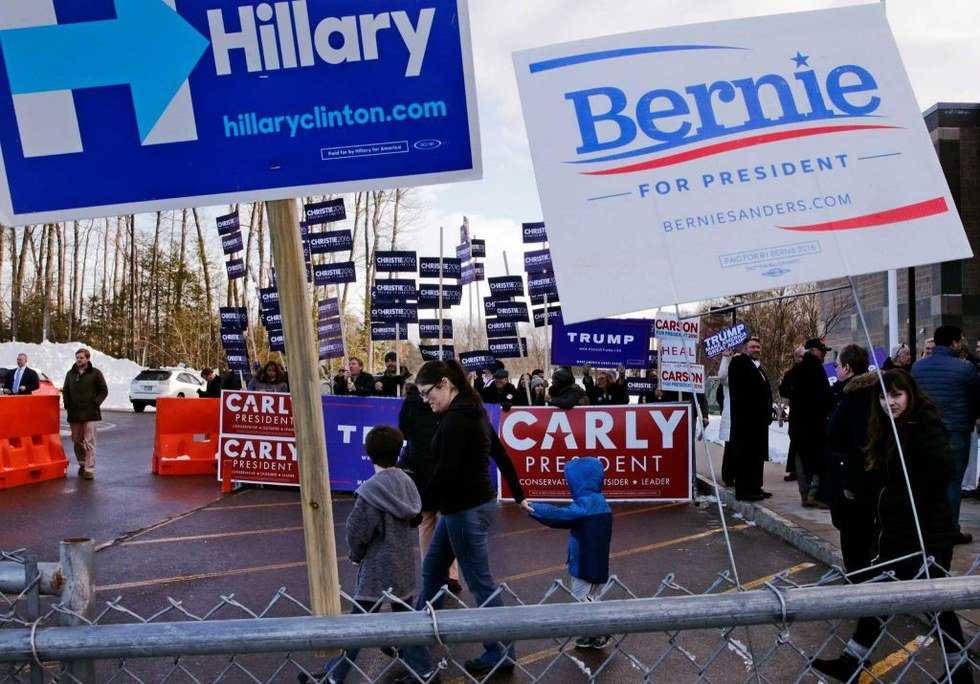
The New Hampshire primary is the first primary that registered voters submit their ballots. So what happens. Both GOP and Democratic voters head to their local polling precinct and vote for their candidate of choice in their party. Then these voters leave, it’s as simple as that. The votes are counted and for candidates, this means if you don’t place, gold, silver, or bronze, it’s time to start thinking about the job you previously had before you started daydreaming about running the country.
Now What? “Super Tuesday” Happens.
Tuesday, March 1st is where the action begins. Super Tuesday is when 15 states and categories will cast their primary votes (of course, Texas being the winning pot of gold with the most delegates up for grabs).
Wait, What Are Delegates Again?
These are your people, just slightly more involved than the actual voter, or a lot more involved. These delegates are local leaders or political activist who vote at the party convention to officially elect a party nominee. Once the delegates are selected, they vote at their party’s convention for the candidate who the majority of their state or district voted for, so all in all if a candidate wins enough primaries, that candidate has a more than fair chance of being the nominee for their party they represent.
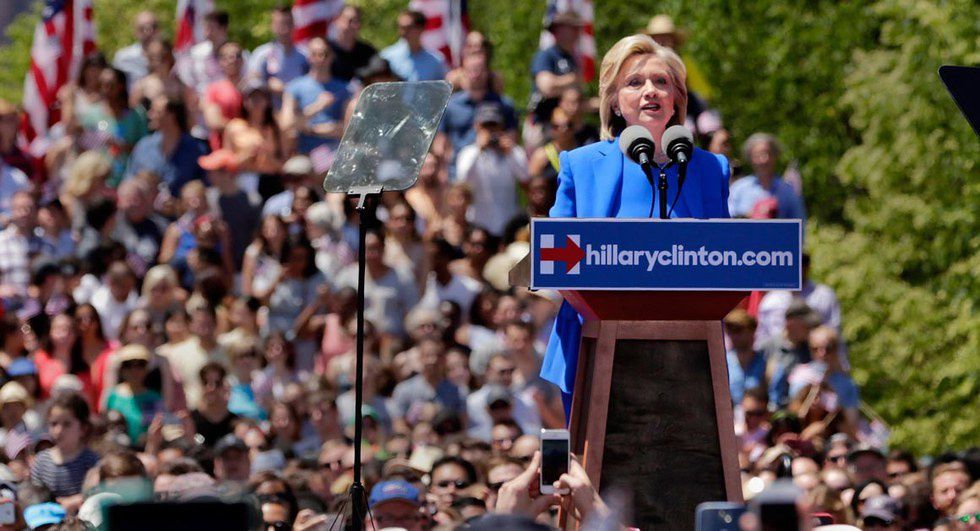
National Party Conventions.
Democratic National Convention (Philadelphia, PA) July 25-28th
Republican National Convention (Cleveland, OH) July 18-21st
The national conventions (aka the homecoming parade) for the delegates. Both the GOP and the Democrats hold their national convention in their selected city. Each party meets to outline their party’s platform, or a plan of action for the government next four years while highlighting a party's ideals and positions on main issues currently facing the nation. Besides deciding the party’s platform, each party’s delegates hold a floor vote to nominate their party's candidate for president and vice president until there is a clear majority.
Once the party has found its clear majority, they will then announce who the party endorses for the party nomination and the Presidential general election begins.
How Does A Candidate Get Elected To Become President?
After three rounds of Presidential debates (and a Vice Presidential debate), you'll have the opportunity to vote for the candidate you deem the best fit for the Office of the President, or rather handing your vote over to an elector in the Electoral College to do that for you.
Essentially, when you cast your vote on November 8th, Election Day, you are voting for electors who will cast the vote for the candidate your choice. Inevitably, the candidate who wins the most votes in each state will receive the state's electors. How many electors are in the Electoral College? 538 electors. The electors in each state are equal to the number of Congressional legislators, two senators and the number of House of Representatives that represent the state. Generally, the candidate that reaches 270 electoral votes wins the Presidential Election.
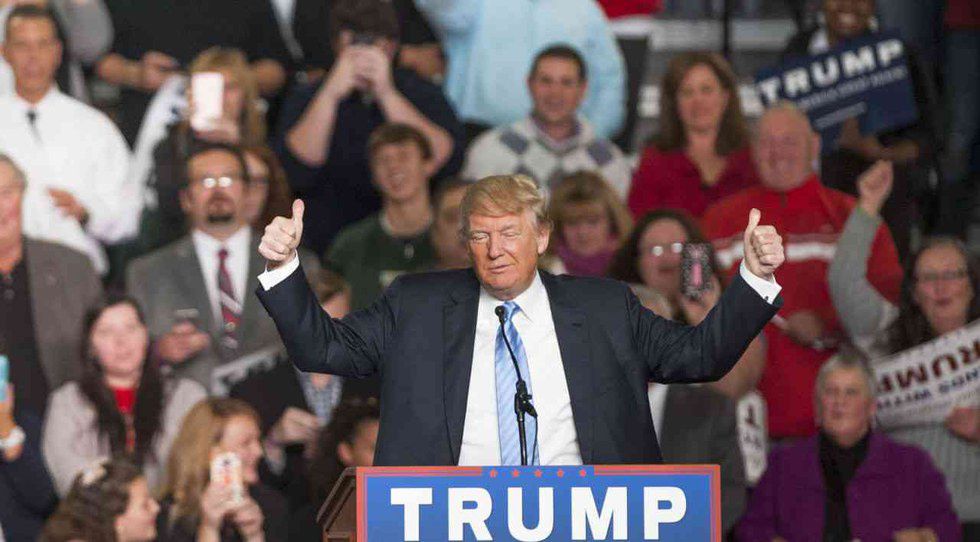
Facebook, Twitter, Instagram, and Snapchat are plastered with video, articles, and GIFs of the active presidential candidates. So if you feel uninformed about what candidates believe in and what they stand for, research them. Each candidate has their personal website laying out their beliefs and platforms on current issues facing our world. Get informed and remember to register to vote. Your voice and your opinion matter, have a say in who you want running your country-- it's simply the future of our country if you ask me.
Don't know how to register to vote? Go here.