
Summer break is right around the corner and so close I can almost smell the sunscreen. With only three weeks left till finals, I find myself lacking motivation and procrastinating more than usual. Procrastinating usually results in me leaving a task until the last minute and stressing about it every day that I put it off. The truth is, I'm procrastinating this very second -- I should be working on the two research papers I have due next week and instead, I'm writing this article. Ironic isn't it? Do you find yourself having these same tendencies? Then you might be a procrastinator, too. In the realm of business, work and school, procrastination is a dirty word and we are constantly bombarded with articles offering ways to kick this "bad habit." I'm here to tell you that this "bad habit" isn't so bad after all, and you should really embrace your inner procrastinator*.
*By no means am I encouraging you to put off your tasks, miss deadlines or do poor work. This article is only to help you acknowledge your procrastinator tendencies and combat the stress that comes accompanies it.
What causes procrastination?
While it seems to vary, there are around four main causes of procrastination: fear of failure, laziness, lack of motivation, and perfectionism.
How is procrastinating beneficial then?
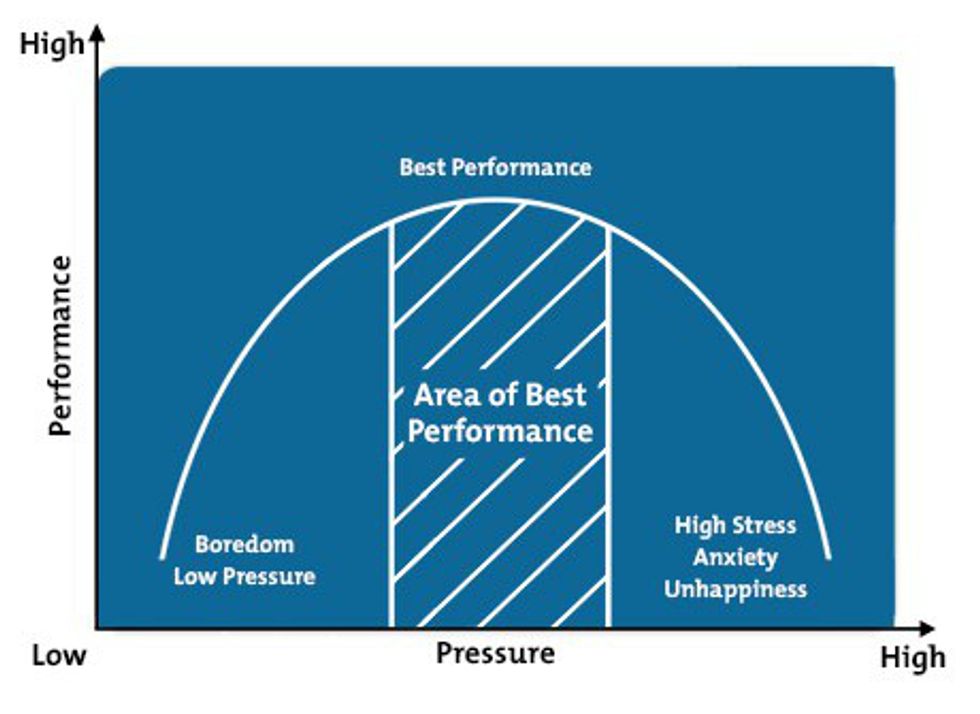
When you delay a task, while it's not at the forefront of your mind, “your subconscious is still working on the task." So it may feel like you’re wasting time, but you’re actually giving your brain time to think about the task and develop ideas. There is also the theory of "mind-wandering" which states that if you find yourself lacking inspiration, then going for a short walk outside or a run on the treadmill can actually increase your creativity. A study done on the balance of stress and performance produced a law called the Yerkes-Dodson Law. This law holds that there’s an inverted U-shaped relationship between stress and performance. According to it, performance improves as stress increases, to a point. If you can harness the anxiety of an imminent due date instead of letting it overwhelm you, then procrastination can be a legitimate productivity strategy.
So how can you procrastinate positively?
1. Do it intentionally. So if you know you need a while to let ideas develop and let your mind wander, consciously give yourself that time.
2. Figure out why you’re waiting. If you’re not procrastinating on purpose then try to get to the reason behind your stalling. Once your answers are simply information, not judgments against you, they can help you make better decisions.
3. Don’t feel guilty. Even if you end up procrastinating unintentionally, don’t scold yourself for it. Feeling bad about your work habits can catch you in a negative cycle of regret and further procrastination, because you start to feel like you can't do the work.
4. Understand what “last minute” means. “Last minute" is when you have adequate time to finish a task on time on without compromising quality. It’s OK to wait until the last minute, but if you’re staying up all night or doing not-so-great work, you’re probably waiting until after the last minute.
5. Solve a small problem. Successfully finishing a task, however small, can spark your productivity for the bigger stuff.
So if you find yourself stressing out over accumulating tasks, take a deep breath and prioritize. If you start to procrastinate a little, don't feel guilty and know that you'll get it done.