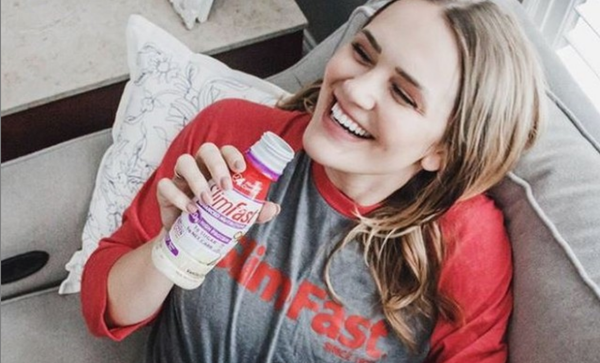

In recent years, protein has become the new path to healthy living. This wasn't always the case. If we look back 20 years, the model for healthy living used to all be about low-fat diets. People equated fat in their food with fat in their bodies, and the food industry responded. Later, the Atkins diet helped support the low-carb craze and actually helped start the protein push. Atkins diets, and many others, replaced all the carbs in peoples' daily intake with proteins like fish and chicken. However, America still has massive population of overweight people. According to the National Institute of Health, over two-thirds of Americans are overweight or obese. Apparently low-carb and low-fat eating didn't work. So now, we welcome (with slightly open arms) the protein craze.

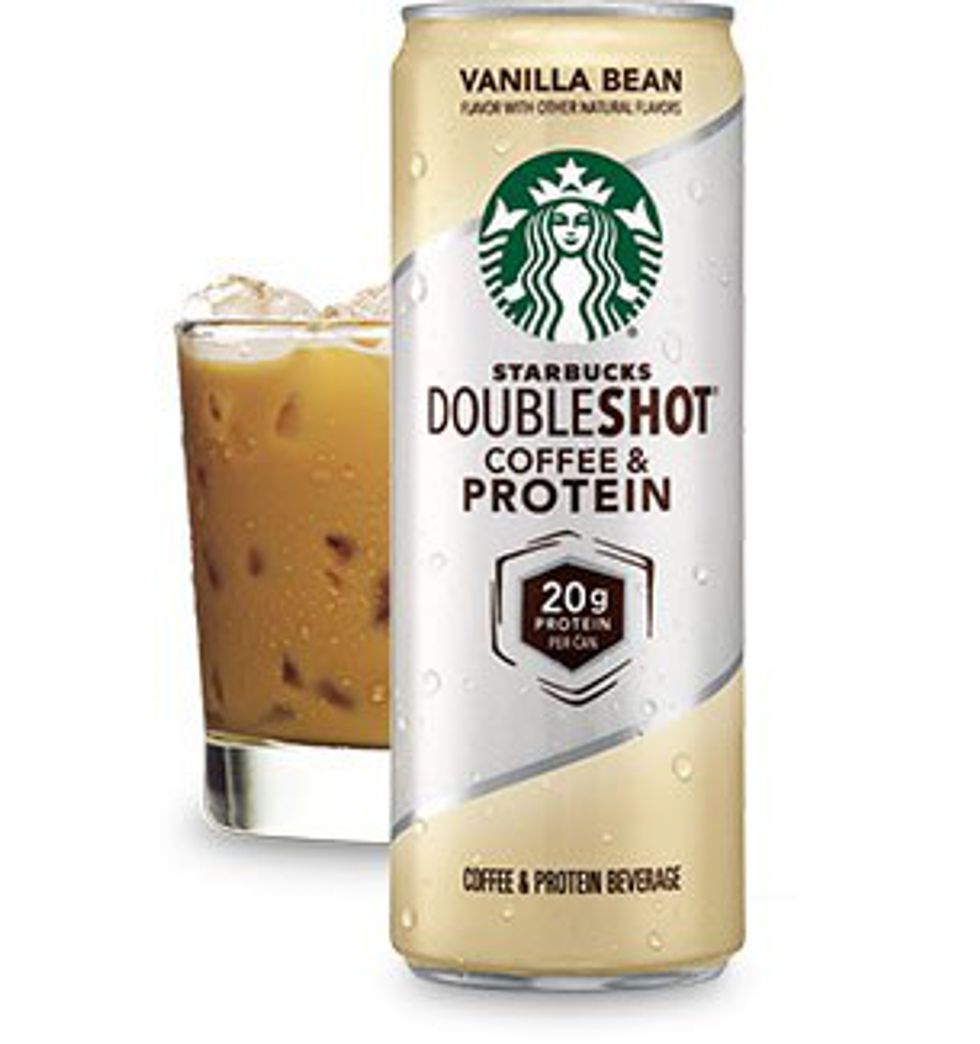
The protein craze is different from the other two eras of weight loss and body-image management, because it isn't about restricting intake of a nutrient, but instead increasing it. Oscar Mayer helped kick off this craze commercially with their "Portable Protein Pack," which contains three different high protein foods providing snackers with anywhere from ten to thirteen grams of protein. Starbucks jumped on the bandwagon recently with a line of canned drinks that provide energy and protein called the "Double Shot Protein Shakes." Even Kind bars, which are often touted as healthier granola bars, have a line of bars that prominently display how much protein they have. So why has protein become the new health craze? What happened to the days of old where only gym rats and body builders cared about protein?
Over the past few years their have been a whole host of studies pointing toward increased protein intake as a holy grail of sorts. Many studies and bodybuilders will point to the need for increased protein when building muscle. One study suggests that older adults should double their protein intake when attempting to build muscle while a recent review by the University of Missouri-Columbia found that a small increase in protein intake at every meal throughout the day can have a whole host of benefits including fat loss and muscle growth. These benefits probably come from the fact that protein-packed meals tend to be more satiating, meaning they keep you fuller, longer. A simple look at the past eight years of research can show the increased focus on protein and some benefits to increasing intake of protein. There is even a yearly summit called "The Protein Summit," that focuses on the benefits of protein. While it isn't the most creative name, the summit highlights the recent focus on the nutrient.

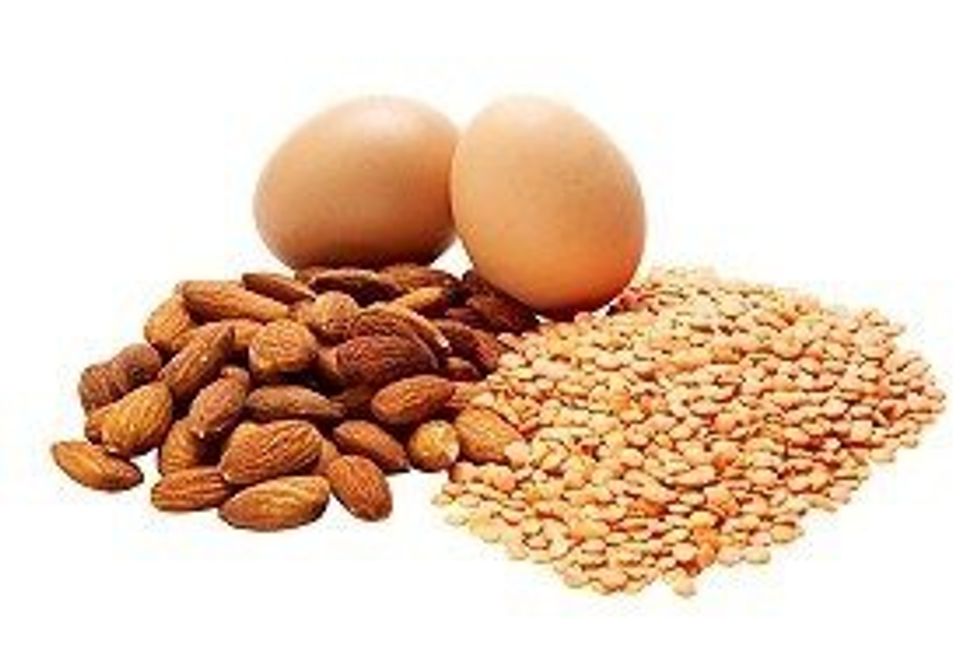
So, is protein all it's chalked up to be? Well, the answer is a bit complicated. High-quality proteins, such as chicken, eggs, fish, beans and nuts can help build muscle and make you less hungry after eating them. There is also some evidence that increasing or maintaining protein intake during a calorie deficit can help maintain muscle mass. However, with all of this, it is important to remember that the only way to lose weight is to create a calorie deficit. If a person burns 2,500 calories a day, then they will have to eat fewer calories than that to actually lose weight. If a person eats tons of protein, but eats an extra thousand calories more than they burn everyday they will still gain fat.
The moral of the story is that there is no holy grail. The only way to be the healthy person you want to be is by adopting healthy habits.