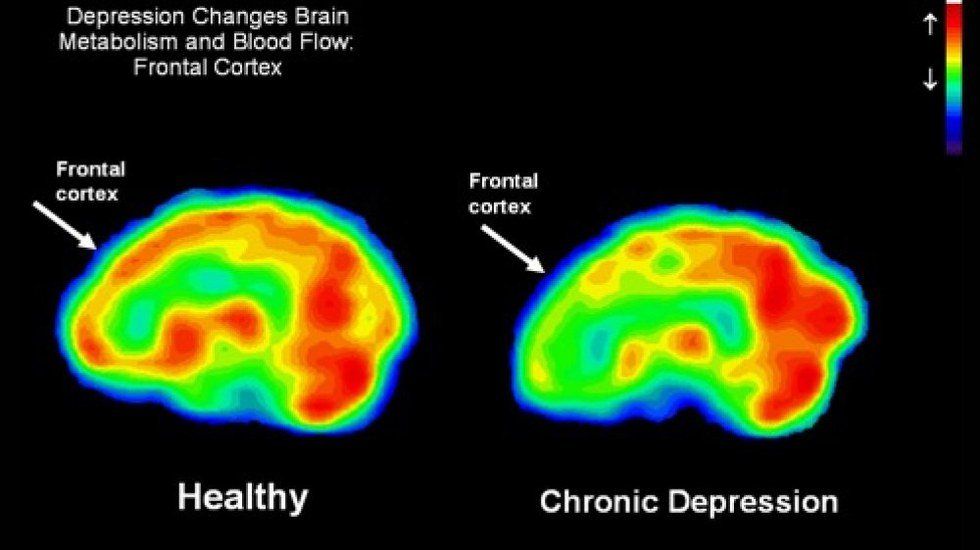
Depression can transform passionate people into empty vessels unable to feel or maintain intense emotion. Symptoms of fatigue and lack of sleep can be so incredibly numbing that one's ability to think properly, ascribe value to what once meant the world to them, or even show up is impaired.
Depression interferes with one's ability to cope as a result of its extremely numbing side effects. There can be such little energy to give out that the depressed individual feels so utterly powerless and believes that there is nothing that they can do about their experience but watch. This is a medical condition that can make the small act of taking a shower drain one of all life.
This is not a call for attention, a pessimistic outlook, or even a failure at adaptability in the face of hardship. Nobody would ever feign such a devitalizing reality.
Many people who claim to advocate for mental health are the same individuals who tell those with depression or other mental health issues to simply "be positive and you won't feel this anymore." Not only is this unhelpful, but it also shames the individual suffering by implying that they are depressed because of their outlook. That their depression is somehow in their control. If somebody feels guilty or blamed for their illness then they are less likely to vocalize their feelings and seek help. Some of the most optimistic, resilient, and true lights to the world that I have had the honor of meeting have fallen victim to this incredibly debilitating disease.
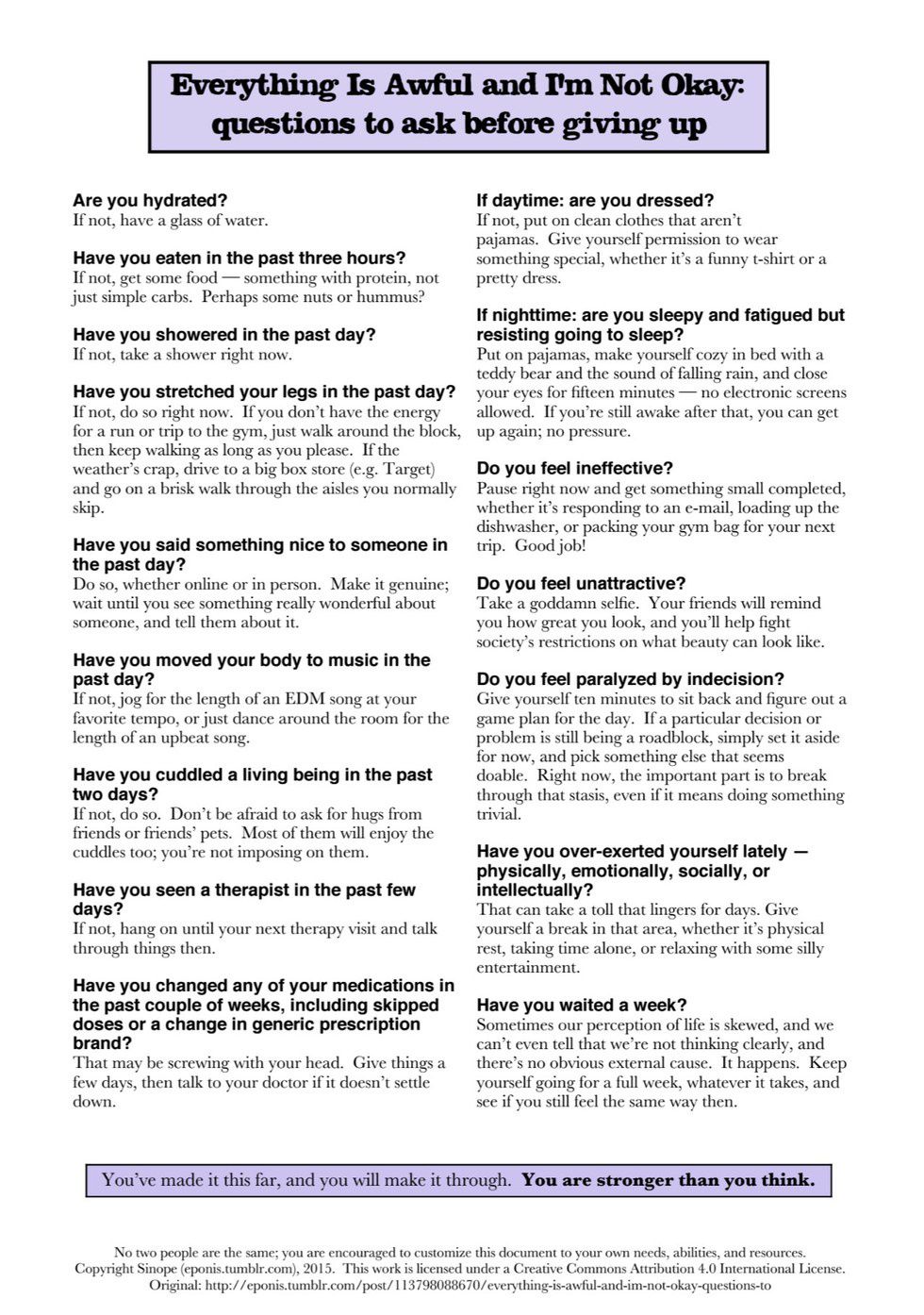
If you or a loved one is suffering from depression, you already know that this is a difficult battle to fight. While hope may appear futile, don't give up just yet. Depression is a fog that is so insidious some must endure it by walking through without awareness of what awaits on the other side. This is indescribably terrifying, but I have seen people move when every bone in their body ached and every voice screamed at them to just stop. Somehow, they survived and regained strength by the end when all hope seemed lost. A perceived lack of control fuels feelings of helplessness, but you are not helpless to your depression. You have more power than you think, utilizing our voice can mean reaching out to a friend, calling a hotline, or working at the ability to care again by picking up a new hobby. You are not hopeless, and you are not your depression. There is a face, personality, and name beyond your illness. Most importantly, there is hope.
In the DSM-V, Major Depressive Disorder is a mood disorder that causes persistent feelings of sadness, loss of interest, and isolation. Every sufferer experiences symptoms differently, but several are as follows: depressed mood nearly every day, decreased interest in most activities, significant weight or appetite change, change in sleep (insomnia or hypersomnia), change in activity, fatigue, worthlessness, diminished concentration or suicidality. In order for one to be diagnosed, they must meet five of the nine criteria. Depression can coincide with substance abuse, medical illness, other psychiatric disorders, and bereavement.
Depression is an extremely overwhelming burden to bear, however, it is treatable. Psychotherapy and medication can work together or separately to alleviate symptoms. A strong support system and exhibiting compassion to sufferers are also extremely imperative. Most of all, the recognition that the illness is not the sufferers fault is extremely crucial to their recovery. While becoming depressed was not the individual's decision, the choice to make steps towards recovery is possible. I believe that we can be catalysts that change the way mental illness is viewed. We can do this by supporting a friend or reaching out for help. Depression is an illness. It is also recoverable, treatable, and many people who suffer from a depressive episode will not undergo another one.