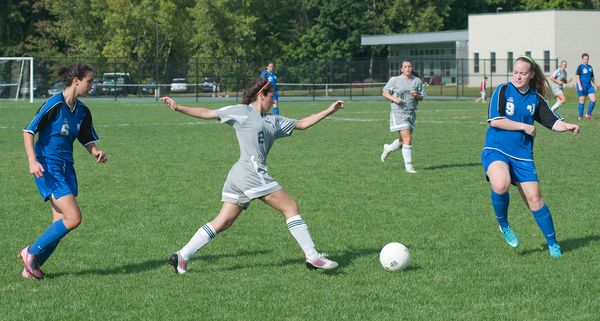


As university students, sports is a large part of our lives, even if we don't identify ourselves as sports fans. The NCAA is debating whether or not to pay Division I student-athletes. This means that all Division I athletes across all sports and universities/colleges would receive the same amount of money per year. In my opinion, these athletes should not be paid, because many of them receive scholarships, and they all receive highly valued academic resources and perks that regular students do not receive.
According to Keith Martin, Managing Director of Marketing and Broadcast Alliances, athletes can apply for the Pell Grant if they do not receive a full ride and are in need of money towards tuition. The Pell Grant can provide up to $5,500. Division I athletes also receive stipends ranging from $2,000 to $6,000, according to Martin, to go towards transportation, housing, course supplies, etc. There is a reason that we call these players student-athletes and not athlete-students. The focus is on the education, and in no way should it be focused on monetary factors.
Division I athletes are able to travel across the country, some across the world, and this is all paid for. They also get unlimited meals and snacks. Mr. Martin mentioned that companies like to hire former student-athletes, and I agree with this statement. My father, who played for Notre Dame and then for the Steelers, says that he would have never been able to do as well as he did in the stock market if he hadn't played sports. It's because as a quarterback you need to be quick on your feet and make quick decisions, and the same goes for the stock market.

One of the hot question in this discussion is where the money to pay these athletes would come from. For now, it is pretty up in the air, but there are a few possible sources. It could come out of educational resources such as tutors (which are so vital to the educational experience of athletes), from a hike in student fees (which I know, as a non-athlete, I would not be happy about), and also from a reduction in scholarship money. Thirty out of the 330 Division I schools are profitable. This is less than 10 percent. So it would take a larger toll on these less-resourced schools to pay athletes.
President of the NCAA Mark Emmert said, quoted by Joshua Schiefelbein in an article for The Dartmouth, "One thing that sets the fundamental is there's very few members, and virtually no university president, that think it's a good idea to convert student-athletes into paid employees." The key phrase here is "paid employees." If athletes were to be paid, they would be differentiated from regular students to an even higher degree. It would ultimately create a second-rate professional model. And for all these reasons, it is unfair and unwise to pay Division I athletes, even though we know how hard they work.