
It’s that time of the (every four) years again—it’s time for the Summer Olympics. The time when we can put all our politics and agendas aside, and come together to root for our country in a light-hearted sporting event. Athletes gain recognition and worldwide respect, the host country gets tourists' money, and every person across the globe becomes more patriotic, more fit, and more welcoming to others.
At least, that’s how we like to think it is. The Olympic games are great in many aspects, much of what I said above is true, at least partly. Citizens can—and often do—join together to root on their athletes, uniting us all despite our political and social dividing factors. That’s across every country; for the host country itself, it can see not only that, but also some extra airtime and prestige. The history and culture of the host country is on display, and there are some who believe that by hosting the Olympics, the country can gain extra revenue from the increase in tourism.
Every athlete, regardless of race, religion, or gender identity, hope to all come and compete. This Olympics, we have even seen the addition of the Olympic Refugee Team, which goes on to further the point that the Olympic games should be beacon to come and partake in these events.The athletes who compete in the games are able to mingle with different people, gain new insight into other cultures, and grow in their understanding and empathy towards others. These athletes are the pride of their nation, and are living proof of the Olympic Principles of pride in effort, promotion of peace, and whole-body wellness.
So, yay Olympics? Not completely.
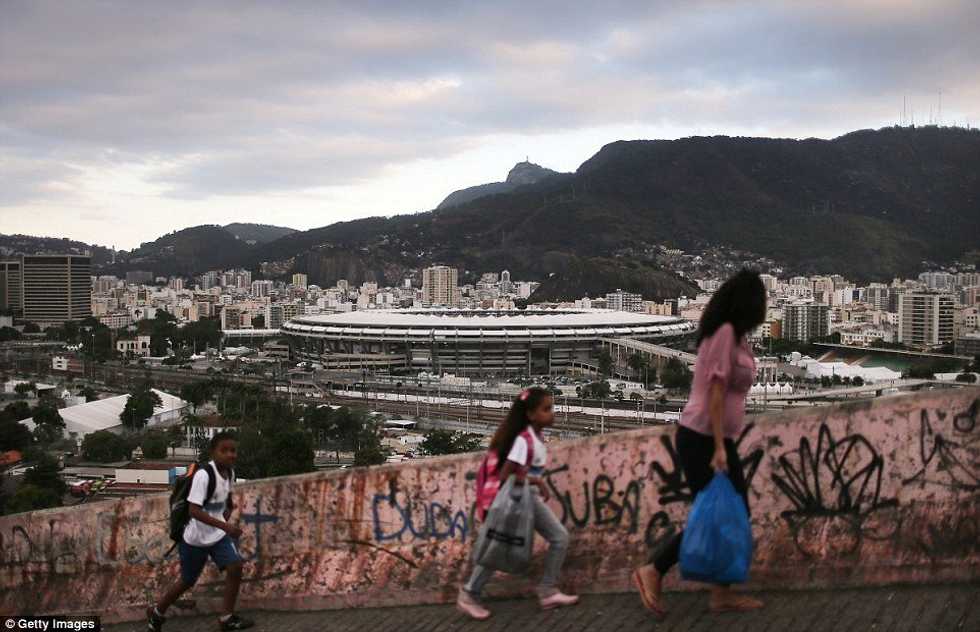
We also have to recognize some of the bigger issues and more negative impacts that come along with the Olympics. While it's nice to imagine that all the benefits listed above are the only impacts the Olympics have--nothing but good times and improved lives. That is most definitely not the case--there are also as many, if not more, issues with the games. For the athletes, having the pressure of the entire world watching, of having the entire country rely on you to bring them recognition--many athletes cannot handle the stress. The Olympics are costly, for the current games in Rio de Janeiro it is estimated to have cost upward of $4.6 billion�����. There are always rumors and presumptions that the tourism and increase in business revenue from the competitors and visitors may bring in enough to cover the costs of the games, but in recent years it has not held up as true. In Brazil, which is already struggling from the Zika virus and rampant poverty, the funds could be used much more effectively--rather than on stadiums and structures never to be used again.
For the people of Brazil, the Olympics are once again nothing more than a gilded distraction from their issues, and in some cases the reason behind those issues. Homelessness and poverty is widespread across many countries, and it is no different in Rio. The homeless population in the city is numbered at over 800,000 families, and for the Olympic games currently going on, many of those families were run out of the city or displaced in order to not only neaten up the city, but also to make room for the Olympic structures. The same goes for the homeless animal population; in Beijing for the 2008 Olympics, cats and dogs were rounded up across the city and either euthanized or otherwise contained outside of the city.
The Olympic games often serve as a means to only sugar coat the real issues facing a country, or creates more issues for the citizens within the country.
So are the Olympics the heaven-sent competition of hope? No. But are they wholly awful and harmful? No. Like most things, they are in the grey area of having both benefits and issues. We just have to recognize the fact that there are issues with it. To do otherwise—to try and pretend all is well and ignore the more problematic aspects of the games is to make light of the suffering it causes many. Likewise, to try and put down the benefits is to trample on the good it has done for many already. We must recognize the issues in order to try and get rid of them, to better the Olympic games, and strive to put forth the ideals of the Olympics into our everyday lives.