If you’re a South Florida native like me, the term “exotic invasive” is nothing new. Usually, this means shooting the iguanas in our backyards with BB guns, listening to the Tokay gecko’s loud call, or “suffering” through a meal of fresh lionfish. But recently it has taken a more threatening connotation as the Burmese python population grows in the Everglades, and continues to become a more frightening term as another dangerous species roams Florida.
Florida is home to hundreds of invasive species. Its tropical climate and easy transportation access make it a prime location for exotic species to be introduced and thrive. Many are accidental, coming from either released pets or stowaways on cargo ships. These species are deemed “invasive” because they can harm the ecosystem, and in some cases, humans. And while the Sunshine State is used to receiving visitors from around the world, there are three that it did not expect—Nile Crocodiles.
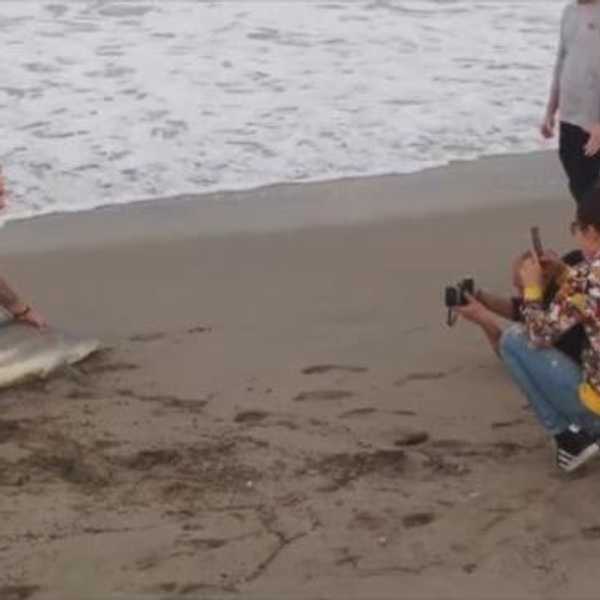
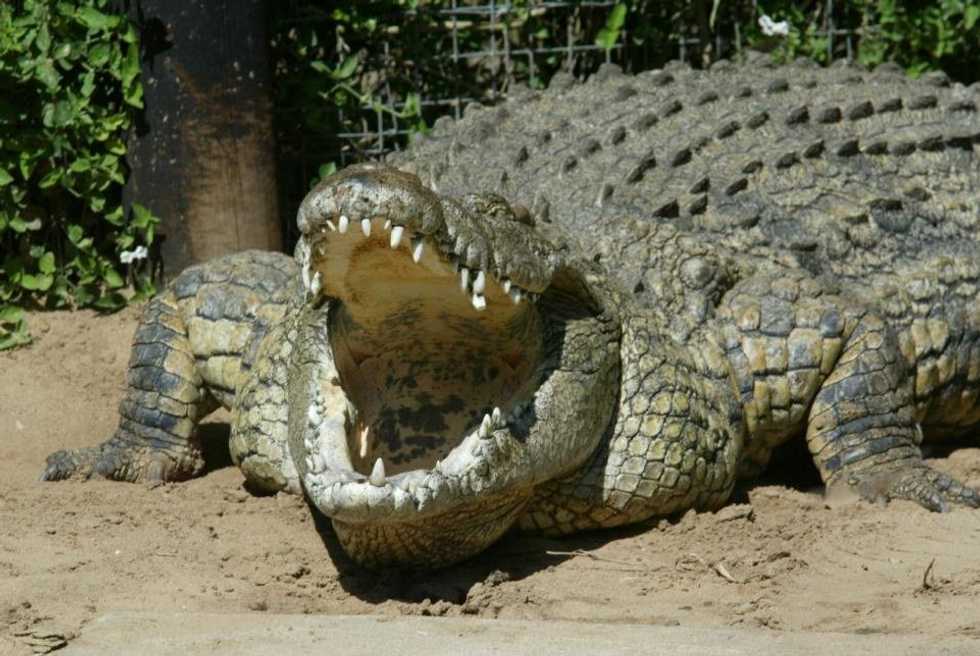
Between 2009 and 2014, three crocodiles were found in South Florida and identified as Nile Crocodiles. These crocs are typically found in sub-Saharan Africa, where they are responsible for around 200 human deaths per year. Many Nile Crocodiles are imported from across the world and are placed in zoos or other exhibits. These crocodiles look similar to the familiar American Crocodile, aside from the fact that they tend to be much larger. They can grow up to 18 feet long, where the American crocodiles rarely get past 13 feet.
Though the first Nile Crocodile was found in Florida almost seven years ago and the most recent was in 2014, their stories are resurfacing due to further DNA testing. The testing shows that these three crocs are related. This means that they are from a single source, which still remains unknown. It's likely that they arrived through the exotic pet trade or a breeder somewhere in the state.
Though Floridians are familiar with invasives, few steps have been taken to fight these species. Perhaps now that they pose a threat to our lives, and not just our environment, we will be more motivated to make a change. Becoming aware of which species are harmful, and removing exotic plants or reporting sightings of invasive animals are just a few simple ways we can help to stop these species from taking over our home.