
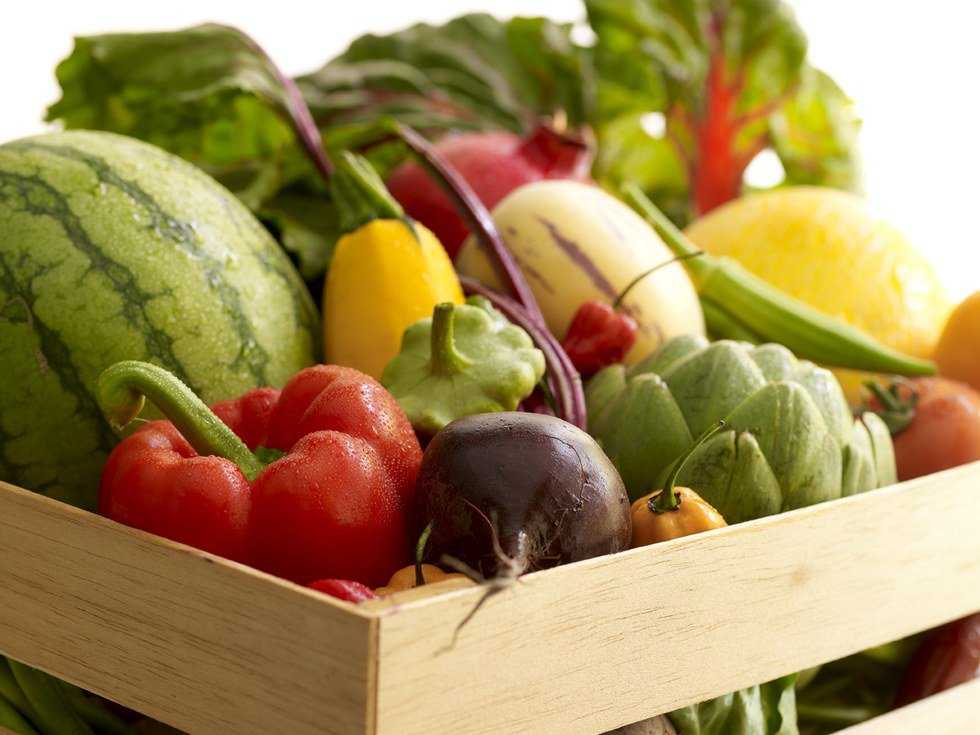
Our bodies are constantly begging us for the nourishment they need. When we sleep in too late, we are restless the next night; when we eat junk food, we crave healthy food; when we missed some days at the gym (or the last six months in my case), we eat less. Our bodies are continually giving us advice and oftentimes we ignore it. Cravings are crucial signals from our bodies. When your body craves bananas, you might need potassium. As your body makes these annoyingly specific requests, it is trying to make a repair. The largest oversight in dieting is our requirements for these micronutrients. A micronutrient is a mineral, vitamin or antioxidant that is required by your body for normal growth and development. These nutrients are often an omission because you need them in miniscule amounts. While there are hundreds of these nutrients we need, this is a list of micronutrients that are common in healthy foods and should be remembered when cooking or dieting.
Please consult your physician before making dietary changes, as these are simply observations.
Iron
For some reason, people are always concerned with the amount of iron in their diet … or so it seems, but iron deficiency is actually the most common and widespread nutritional disorder according to the World Health Organization. Iron deficiency leads to anemia. Anemia is when your blood is missing too much iron and it becomes too thin, which prevents your body from adequately fighting off diseases. Iron can be found in spinach, peas, artichokes, tomatoes and even tofu. It is truly important to make sure you are getting iron.
Iodine
Next up on the mineral list is Iodine. Yep … just like that word that comes before salt at the grocery store. Iodine is important for our body because it helps our thyroid (temperature gage and metabolism) hormones and this makes sure there is average growth throughout the body. Deficiencies in iodine have been linked to several birth defects, still births, and even mental disorders to children if their mother has a deficiency during pregnancy. However, our bodies need such a crucial but small amount of iodine that adding it to salt is usually enough to ensure we will remain healthy.
Magnesium
Then there is magnesium, which supports bone mineralization, protein building and nerve impulses. Magnesium can be found in spinach, broccoli, tomatoes, and many other foods.
Zinc
Equally important is Zinc. Zinc helps many enzymes throughout your body and also aids in the production of genetic material. Zinc is found in spinach, broccoli, green beans, dairy, and tofu.
Potassium
Finally for minerals there is potassium. Potassium helps maintain fluids and electrolytes in addition to the nerve impulse system and cell integrity. It is usually in watermelon, avocado, strawberries, potatoes, bananas and tomatoes.
Vitamin A
Moving now to vitamins we look at the super underrated vitamin A. Vitamin A deficiency is accused with being the leading cause of preventable blindness in children. Vitamin A supports vision, skin and bone and reproductive health. It is found abundantly in fruits and veggies like mango, carrots, pumpkin and broccoli.
Vitamin B1
The B vitamins always seem to get confusing to me. Who decided it was a good idea to use the same letter for a bunch of super important vitamins with very similar purposes anyway? Well, vitamin B1 supports energy and metabolism, normal vision, and skin. B1 is awesome for people who are dieting, as it will give them the natural energy that feels great. It is usually found in watermelon, tomatoes, spinach, soymilk and sunflower seeds.
Vitamin B2
The creatively named vitamin B2 also aids in metabolism, vision and skin. It is found in spinach, broccoli, mushrooms and milk.
Vitamin B3
Surprisingly vitamin B3 … supports energy, metabolism, skin health, and nervous and digestive system health. It can be found in spinach, potatoes, tomatoes and a variety of seafood.
Vitamin C
Vitamin C, the tablets my mom always gave me when I was sick. Vitamin C is used in new cell synthesis (helping us fight off colds), it helps breakdown fatty acids and amino acids and supports nerve cell maintenance. Vitamin C is commonly a supplement but it is also found in mango, orange, lemon, grapefruit, kiwi and strawberries.
Vitamin D
The reason the sun on our skin feels so great. Vitamin D promotes bone mineralization and helps the body utilize calcium, which is why milk is often fortified with it. Vitamin D can be found in fatty fish and egg yolk in addition to going outdoors and self-synthesizing it.
Vitamin E
Vitamin E helps regulate the oxidation reactions and supports cell membrane stabilization, which is no big surprise because many lotions are fortified with it. Vitamin E can be found in polyunsaturated plant oils, avocados and tofu.
Beta Carotene
Beta Carotene is a fancy way of saying more Vitamin A, as it is converted to vitamin A. Beta-carotene helps slow cognitive decline, helps retain lung strength with age and protects against many diseases. It can be found in broccoli, kale, spinach, sweet potatoes, carrots, sweet peppers and apricots.
While none of these were identified with antioxidants, it is because they are in more than one category. Vitamins A, C, and E and beta-carotene are all antioxidants. An antioxidant is something that helps inhibit oxidation and removes potentially damaging agents in people. Hopefully next time you read your vitamin bottle, you know why it is all so important.