

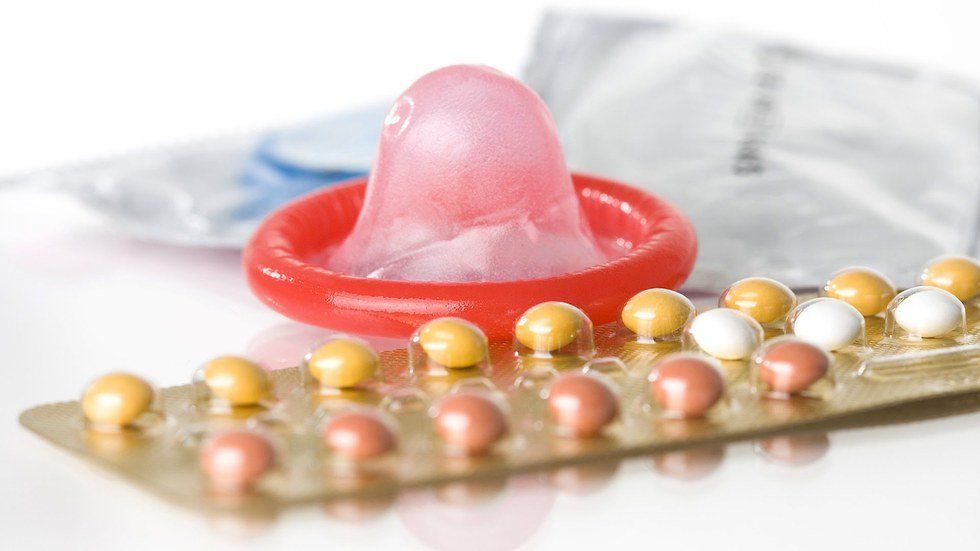
I have quite a few complaints about Sex Ed in US schools, one of the biggest being the fact that they don't properly teach young people how to protect themselves when they make the choice to become sexually active. Birth control is designed to prevent pregnancy but can also be helpful in other ways. So here is some information of the various methods of birth control, including some of their benefits and drawbacks. Be safe everyone!
Note: Effectiveness rate refers to the average of how many women using a form of birth control that get pregnant each year. For example, if 21 in 100 women get pregnant while using female condoms regularly, they are considered 79% effective.

Condoms: 82% effective
A thin layer of latex or other material is unrolled over the penis to stop sperm from getting into the vagina. Condoms are very common and easy to get, being available at most stories, pharmacies, and sexual health clinics.
Pros: They are better than a lot of other forms of birth control because they prevent pregnancy and also the transmission of Sexually Transmitted Infections (STIs). However, know that it still cannot provide perfect protection against either.
Cons: They can break and some say it reduces sensitivity during sex. Also, some people have a latex allergy, so be careful in case of having a reaction. Non-latex condoms are also available.
Need to know: Condoms do not hurt or make sex feel worse for an individual with a penis!! Don't let anyone give you excuses for not wanting to wear a condom; if they respect you and your health they will put it on without complaint.
Click HERE for more info on condoms.
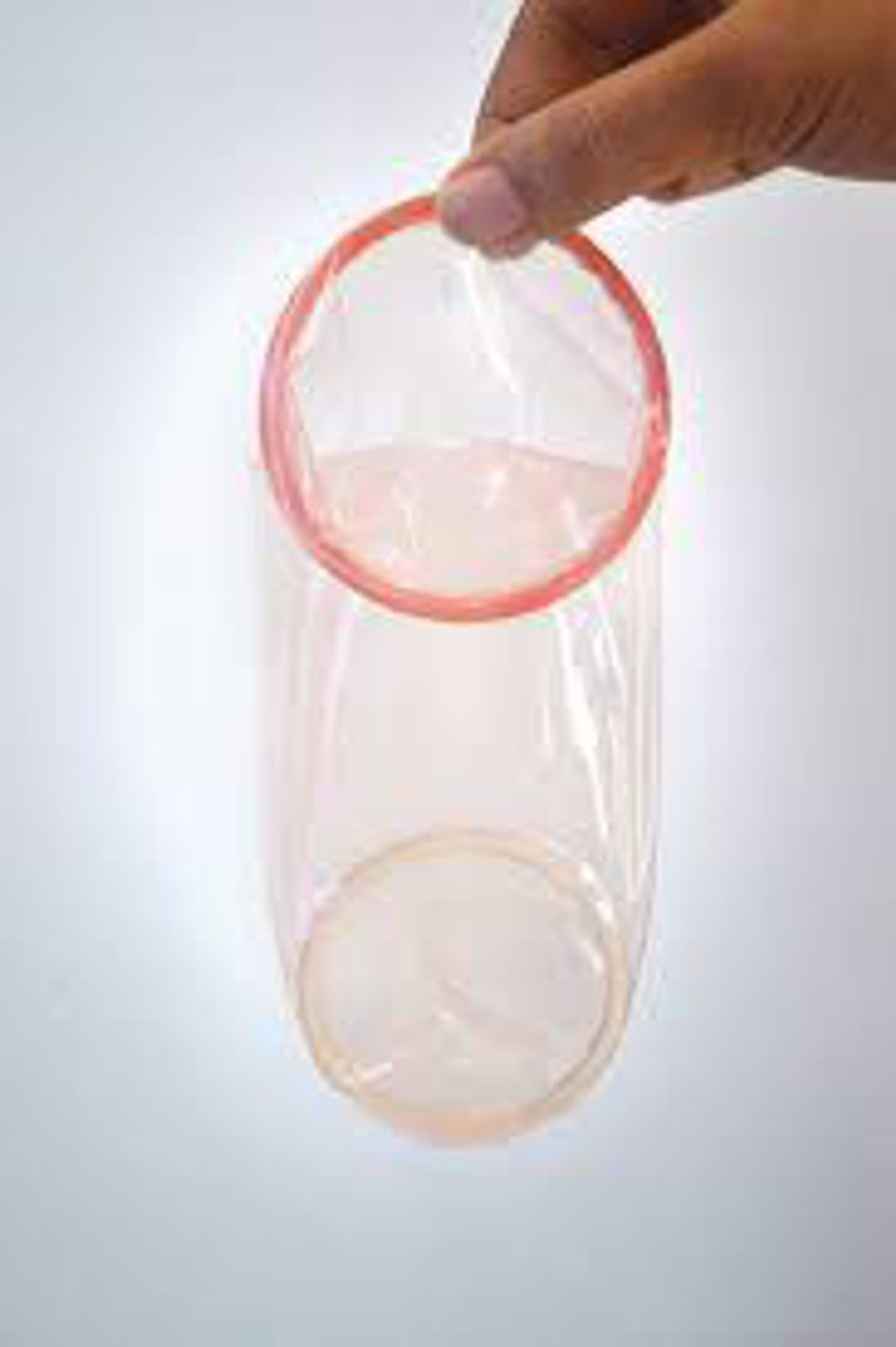
Female condom: 79% effective
These are very similar to the standard male condom, except they are put inside the vagina before sex. These tend to cost a couple dollars more, but are still available at most pharmacies.
Pros: They can be inserted up to eight hours before having sex and protect against pregnancy and STIs.
Cons: Like male condoms, they can break or affect sensitivity. Some women also say that they are hard to place and can make sounds during intercourse.
Click HERE for more info on female condoms.
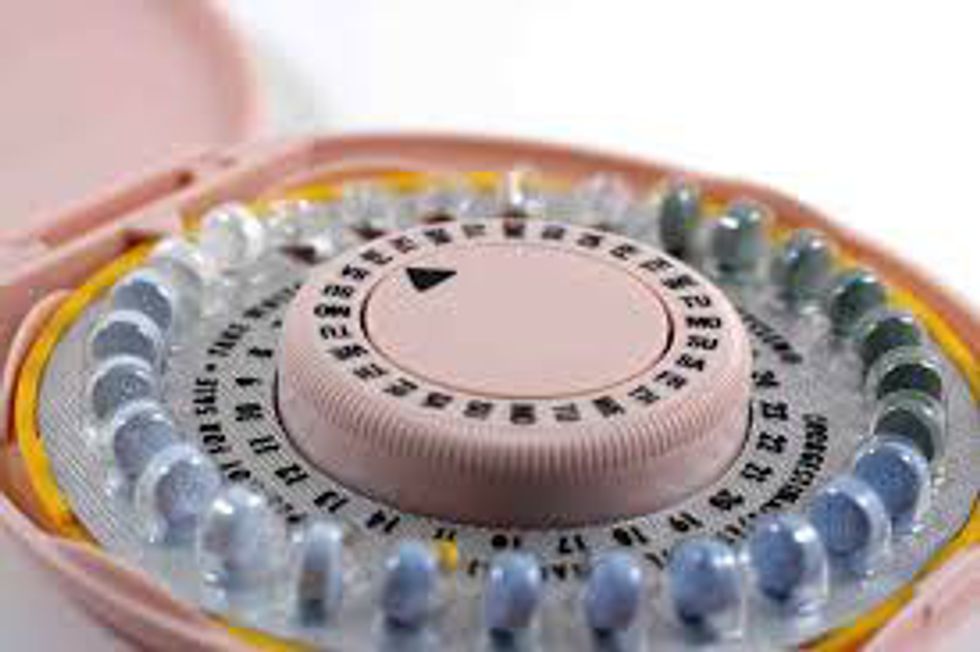
The Pill: 91% effective (99% if used perfectly)
The pill is taken once daily and deliver doses of progestin (and sometimes estrogen) to the body. These hormones prevent the ovaries from releasing eggs and block sperm from entering the uterus by thickening cervical mucus (it's natural and not gross-don't think about throat mucus). There are many different pills with varying amounts of each hormone so be sure to discuss the effects and risks of each with your doctor.
Pros: Nothing has to be inserted or implanted, which many women like. It is also known to regulate your period and reduce the severity of period symptoms and acne.
Cons: You have to remember to take some kinds of the Pill around the same time every day or the effectiveness drops significantly. It's wise to have a back up birth control method just in case. Pills may also cause spotting between periods, breast tenderness, nausea, and a risk of blood clots.
Click HERE for more info on birth control pills.
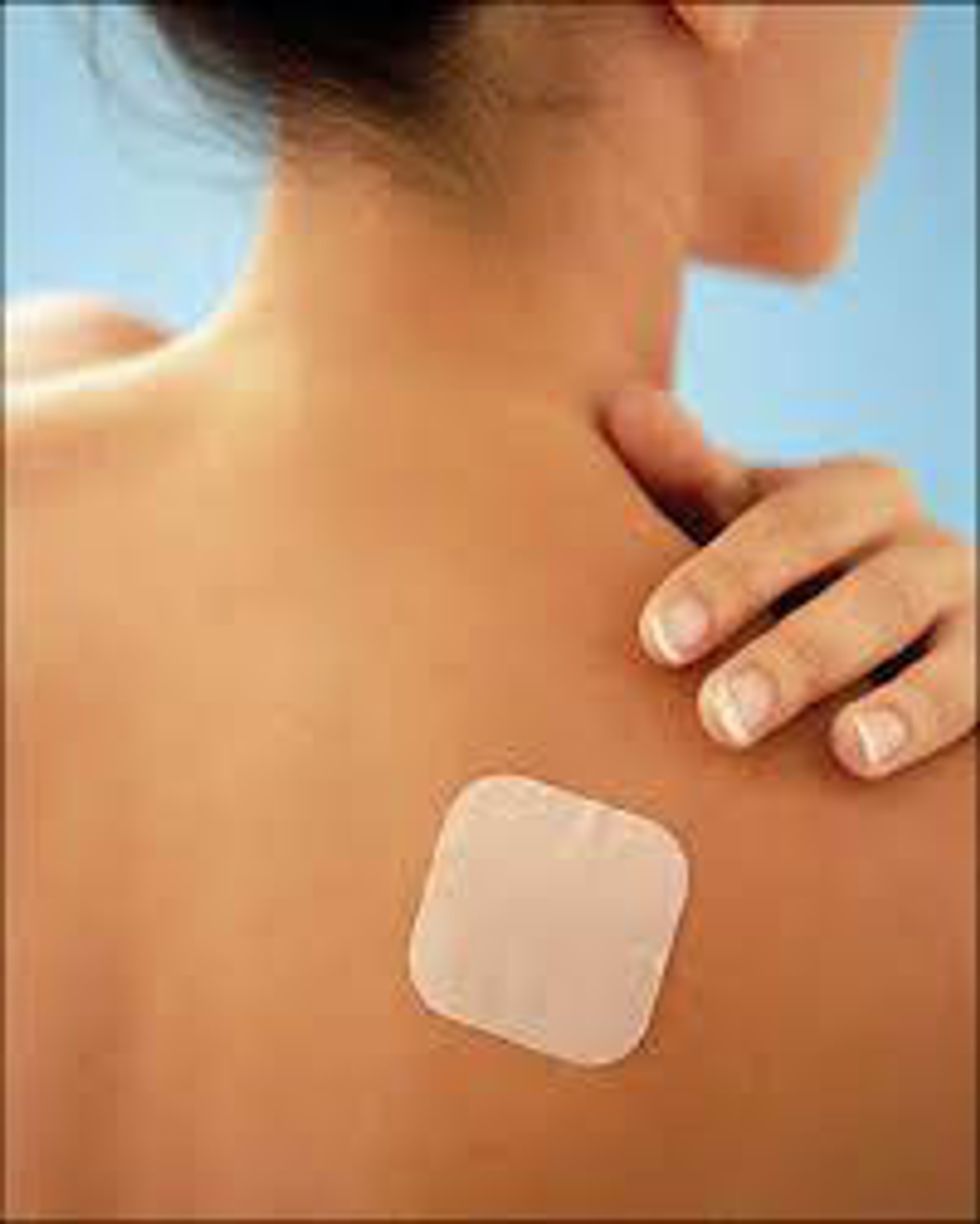
Patch: 92% effective (99% if used perfectly)
Birth control patches work in almost the same way as the Pill, but the hormones are administered via a patch worn on the body, often the shoulder, buttock, arm, or lower abdomen. A new one is applied every week for three weeks and then there's a week off to have your period.
Pros: It is only applied/replaced once a week and then you can rest easy. Great for people that aren't sure they can remember to take a pill every day. Most users experience no side effects and get the benefit of regulated periods, relief from menstrual cramps, and less acne.
Cons: Potential side effects include skin irritation where it is placed, headaches, spotting, and breast tenderness. The patch delivers 60% more estrogen than a low-dose pill, so there is an increased risk for blood clots. These side effects are more likely to occur if you smoke or weigh more than 198 pounds.
Click HERE for more info on birth control patches.

Hormone Shot: 94% effective (99% if used perfectly)
A shot of progestin in the arm provides pregnancy prevention for three months at a time. This prevents ovulation, and makes it more difficult for sperm reach the uterus by increasing in cervical mucus. It can take three to eighteen months to start ovulating again after stopping use of this method so be sure to keep this in mind if you are considering getting pregnant at some point.
Pros: It is very effective and all you have to remember to make the next doctor's appointment on time. The shot may also reduce the risk of uterine cancer and protect you from pelvic inflammatory disease.
Cons: You’ll have to go to your doctor every three months to get the shot again, and they tend to cause more irregular bleeding than other birth control methods, especially for the first three to six months. Nausea, headaches, and depression have been reported, and you’re more likely to experience these side effects if you smoke. There is a risk of blood clots. Long-term use has also been known to lower bone density, so you should get a bone density test if you use this method continuously for five years.
Click HERE for more info on birth control shots.

Vaginal Ring: 91% effective (99% if used perfectly)
The ring is a small, flexible device goes inside the vagina and is left for three weeks. It is taken out for the fourth week to have your period. It releases progestin and estrogen like the other methods described above, affecting ovulation and thickening cervical mucus.
Pros: You can put it in and not have to think about it for three weeks. Many women also report lighter periods and less premenstrual symptoms.
Cons: Most side effects clear up after a couple months of use and include vaginal discharge and irritation, headaches, breast tenderness, weight gain, and nausea. These are more likely to occur if you smoke. There is also a risk of blood clots.
Click HERE for more info on birth control vaginal rings.

Hormone Implant: 99% effective
A piece of plastic is inserted just under the skin of the upper arm by your doctor. It prevents pregnancy for three years by releasing progestin, which affects ovulation and thickens cervical mucus.
Pros: You don't have to worry about anything for three years and the ability to get pregnant returns quickly after removal of the implant. Most women report shorter and lighter periods.
Cons: There may be some bruising after the implant is first inserted. Irregular bleeding is fairly common during the first 6 to 12 months of use, and fewer people report headaches and weight gain. Your period may stop altogether after a few months. As with all hormonal treatments, there is a risk of blood clots as well.
Click HERE for more info on birth control implants.
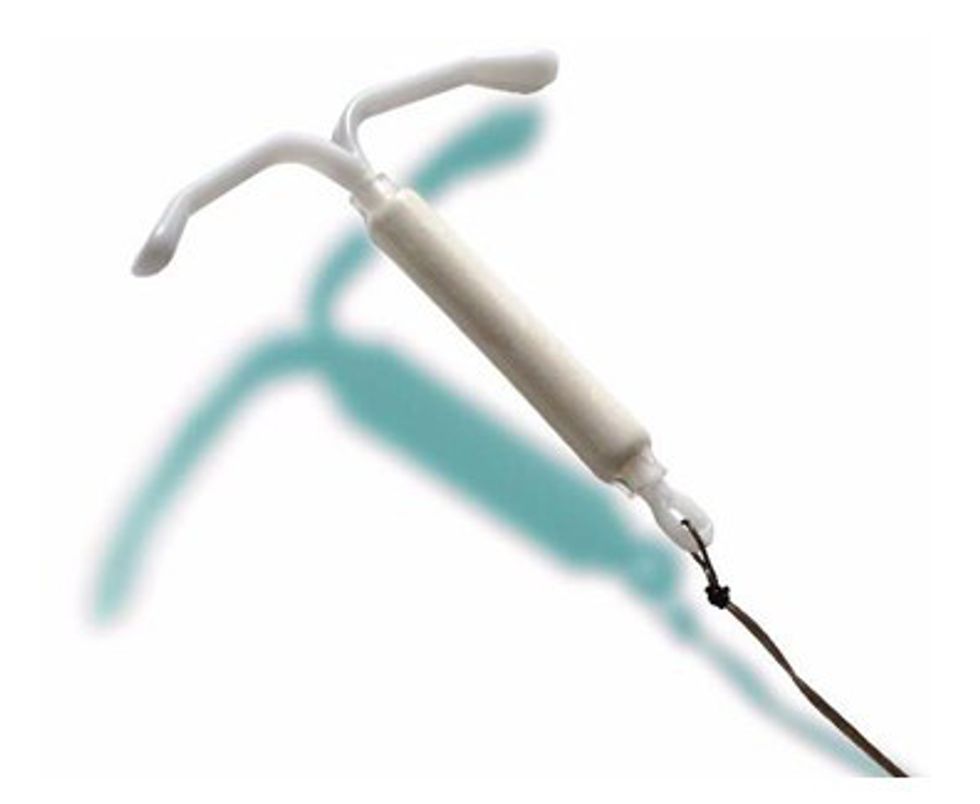
IUD: 99% effective
An IUD, or intrauterine device, is a T-shaped device that’s inserted into the uterus to damage/ kill sperm and thicken cervical mucus. Insertion is done by your doctor and you’ll be given a choice between one that contains copper or the hormone progestin.
Pros: Many women report lighter periods, reduced premenstrual symptoms, and it does not cause weight gain. They're also very long term: copper IUDs can be left in for 12 years and ones containing hormones can be left in for five. The only upkeep required is that you insert a finger into the vagina after every period to feel for a string attached to the bottom of the device, ensuring that it is still in place.
Cons: IUDs are a lot more expensive than other methods of birth control if your health insurance doesn't cover the costs. Also, these can stop your period altogether. Some may consider this a pro, but know that this means there is a disruption in your body's natural cycling. While there is no evidence that it's dangerous not to have periods, there is also no long-term research proving that it is safe. IUDs are mostly likely to work well for women that have already been pregnant and delivered a child, so you are more likely to have pain and cramping after the IUD is inserted if you haven't. If something goes wrong, there's really nothing you can do until you get to a doctor, which may be a problem for some.
Click HERE for more info on IUDs.
I hope this has been informative, but know that it is only a summary of these birth control methods. Be sure to discuss your options with your doctor before making a decision and visit HERE for more details.