

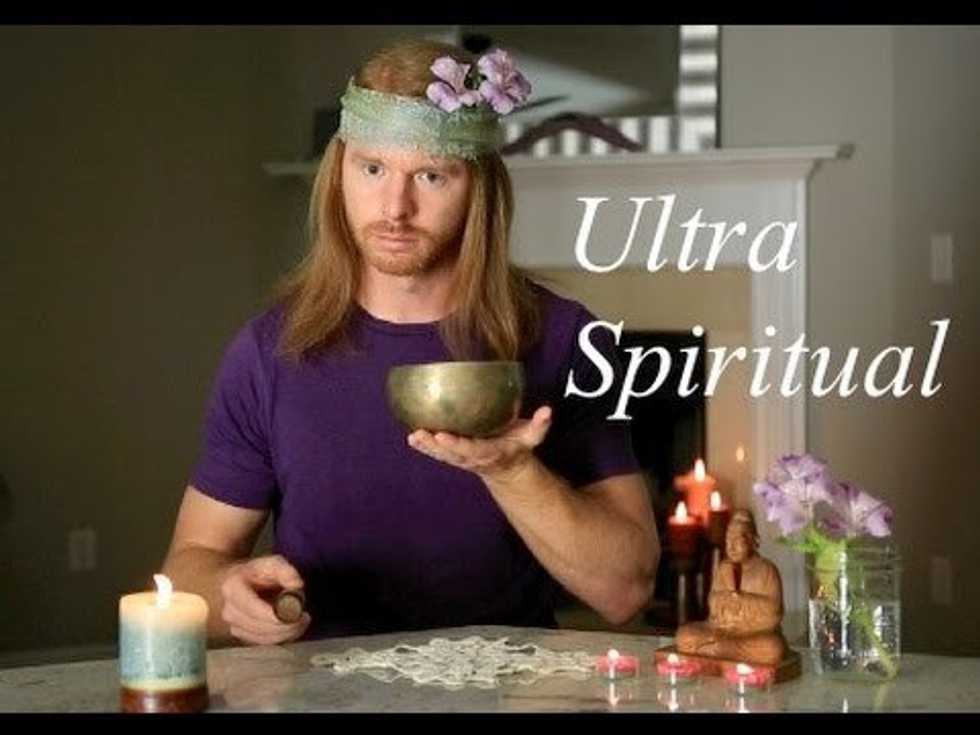

Meditation can seem pretty intimidating, especially because there are all of these different expectations and associations attached to it. One of the reasons it took me so long to get into it was because I thought I would have to sit still with my hands upturned on my lap and chant “ohmmm ohmmm” while trying not to think about anything else. Never mind the work, or friendships, or relationship issues, or commitments, I had to attend to later that day, my mind was supposed to be a blank slate. As a result, meditation remained an unrealistic practice in my mind; how could I ever think of nothing and be at peace?
But the good news is that meditation doesn’t expect you to think of absolutely nothing. Of course, there are a sundry of ways to meditate, but in “Mindfulness Meditation” especially, you are asked to acknowledge all the thoughts you are having not sweep them under the pink, mushy carpet of your mind and attempt to forget they even exist. Meditation is not escapism. Yes, in many ways it can help you feel better, but not because it solves all your problems for you or helps you to forget your problems don’t exist. Life can become infinitely better after meditation simply because when you seek awareness about yourself and your life, you embrace your emotions instead of becoming a slave to them, which can help you approach your life from a balanced and stronger standpoint.
Even if you are not currently undergoing a state of turmoil or transition in your life, meditation can help you develop better concentration. In fact, this practice is now offered in many New York City public elementary and middle schools, as well as banks, hedge funds, media companies, etc. for concentration and calming purposes. There is no right or wrong way to mediate, nor do you need a lot of time to do so. If you are a non-believer in meditation, you might benefit from incorporating some of these ideas in your life:
1. Listening to music.
And I mean, really, truly, actively listening to music. I’m not talking about plugging your headphones in on your walk to class and vaguely smiling at the people who say hello to you since you can’t hear them because you’re listening to Adele on blast. I’m talking about developing your own power playlist and taking five minutes a day to sit down and truly listen to the notes, rhythm, melody, and lyrics of the song and absorbing it and its message. Many times we take listening to music for granted, but it can actually be a major mood-booster and stress reliever.
2. Saying affirmations to yourself.
This can be as simple as saying “I am intelligent” or “I am worthy” or as complex as reciting a poem that puts you in a calmer state of mind. One of my favorite poems is called “Don’t Quit” and it is perfect for these purposes. Another affirmation I enjoy is the “Loving-Kindness” mantra, a practice in Mindfulness Meditation. It goes like this:
“May I be free from inner and outer harm and danger.
May I be safe and protected.
May I be free of mental suffering or distress.
May I be happy.
May I be free of physical pain and suffering.
May I be healthy and strong.
May I be able to live in this world happily, peacefully, joyfully, with ease.”
Often times we neglect one of the most, if not the most important relationship we have: our relationship with ourselves. We may wish happiness, safety, and health to our friends, but when we say these words of loving kindness to ourselves, we are affirming ourselves in a way we may not have known we even needed to.
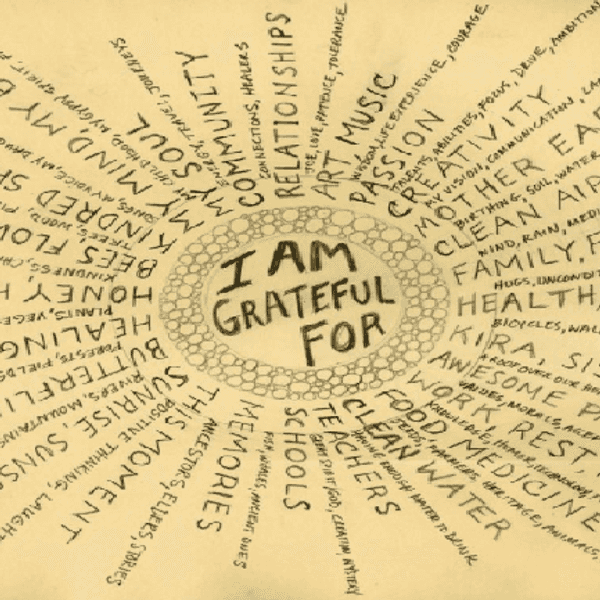
3. Beginning or Ending Your Day By Keeping a Gratitude List.
I know you’ve seen this idea in every self-help book/Tumblr post ever, but keeping a gratitude list can remind you to be appreciative of all the small things in your life you’ve taken for granted. Whether you received a job offer or you got the last banana nut muffin in the cafe, there is always something to be grateful for. It will also help you manifest even more things to be thankful for in your life.
4. Journaling
Write it out; the good, the bad, and the ugly. Take some time to acknowledge your thoughts and feelings, no matter what they are, because they are valid.
5. Keeping a generally positive attitude
As Jon Kabat Zinn, the pioneer of using Mindfulness in medical and preventative settings, says : : “Note that this journey is uniquely yours, no one else's. So the path has to be your own. You cannot imitate somebody else's journey and still be true to yourself. Are you prepared to honor your uniqueness in this way?”