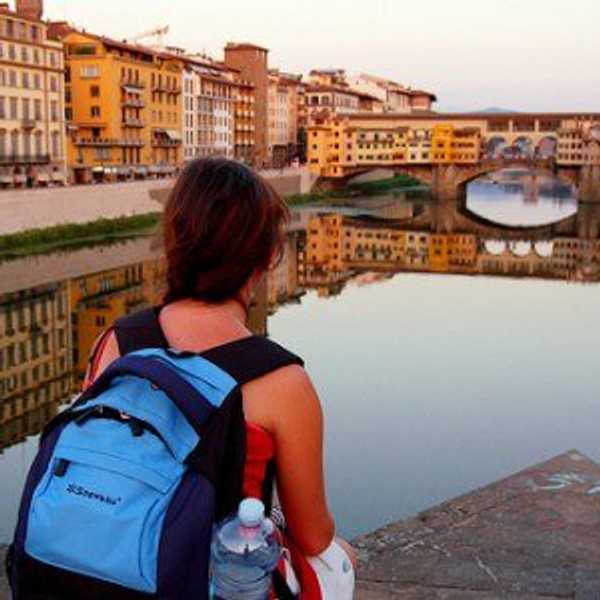
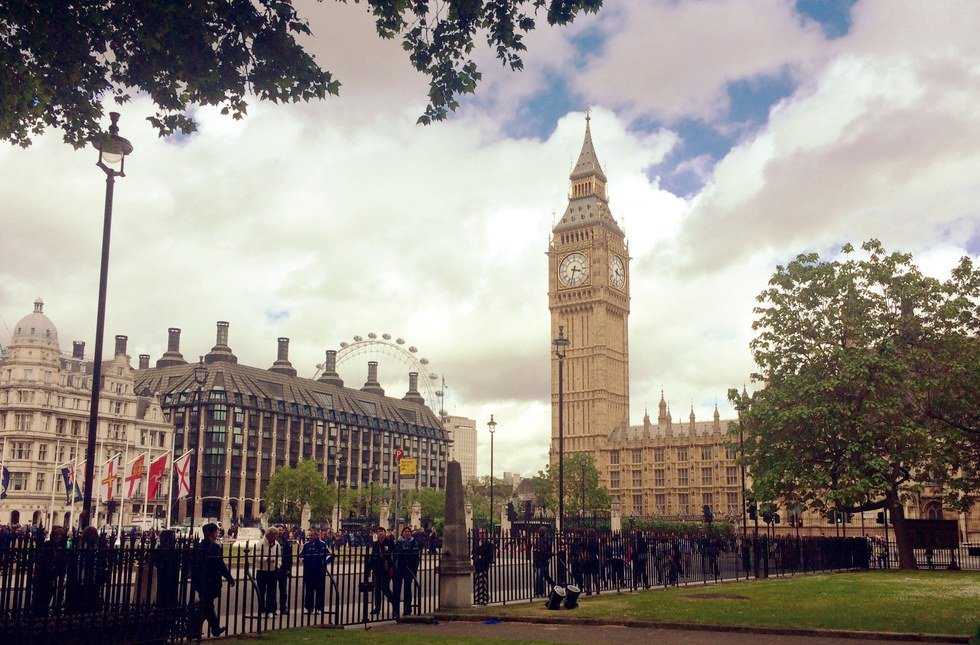
Traveling abroad is both terrifying and extraordinary. There are so many things that could go wrong, making the idea of traveling less of a vacation and more of a chore. This past May, before I left for London, I found myself anxiously going over all of these scary possibilities in my head. During my five weeks overseas, I made a lot of mistakes, but learned a lot of lessons along the way. While I had an absolutely amazing time overall, certain mishaps could have been avoided, had I known more in advance. If you have the opportunity to go abroad, I highly suggest you do so. It is the most incredible experience, one that can change the way you look at life. However, there are a few things you need to do and learn prior to your departure. Here are some tips and tricks on how to make your trip abroad a more exciting, successful, and safe adventure.
1. Do your research.
If you’re going to a place you are unfamiliar with, you should absolutely read up on the city. Which neighborhoods to stay away from and which areas to avoid are vital pieces of information. Yes, you have to be smart in every city, and try your hardest not to scream "I'm a vulnerable tourist!", but there are certainly going to be some specific areas you have to watch out for in particular. Research the history, the weather and crime rates. Familiarize yourself with the culture and traditions, so as to avoid unknowingly offending someone. Read up on hidden gems of the city and secret locations that most tourists wouldn’t know about. Determine what language is primarily spoken, and figure out whether or not you should brush up on it! Prepare yourself as much as possible so that when you get there it won’t feel as overwhelming or intimidating.
2. Budget your money.
Make sure you have a portion of money saved for food, travel, souvenirs, and a bit left over in case of an emergency. If you are going somewhere that does not accept the US dollar, you should visit your local bank prior to going away, and exchange your money for the proper currency. A lot of times, if you wait to do this until you are in the other country (at an airport or currency exchange center), the exchange rates are much higher, and there's a high possibility that the exchange itself is a complete scam. Keep in mind when budgeting your money, the US Dollar oftentimes is worth less than other countries’ currencies. I found out the hard way that 20 US dollars is only really worth about 12 British Pounds…
Don’t blow all your money the first night you get there, either. Especially if you are there for an entire semester, you have to spend wisely!
3. Plan your excursions ahead of time.
One thing that I’m sure would have calmed my nerves prior to leaving for London would have been knowing that I had a concrete list of things to do and places to go before even stepping off the plane. A lot of the last minute planning leads to hectic schedules and empty wallets. If you are planning on traveling to other cities or countries while abroad, I highly suggest that you organize these trips ahead of time. The longer you wait to purchase plane or train tickets, the more expensive they are going to be. If you know who you're traveling with, as well as where and when you want to go, I suggest you make all your travel arrangements prior to leaving home. Keep in mind that while staying in hotels may be the most reliable rooming option, they are often not the most cost-effective. Hostels and Bed & Breakfasts are great, inexpensive options as well! As for trips within the city, make a bucket list! Determine which hours everything is open, then once you get your class schedule, sit down and write out an agenda for yourself. It’s honestly the only way you’re going to get it all done.
4. Make it your mission to memorize public transportation.
You aren’t going to want to spend money on Taxis or Übers everyday- that will eat away at your budget faster than you know. Learning how to navigate the trains, subways, and busses makes exploring cities a million times easier. I never would have experienced half of the things I did in London had it not been for my being so comfortable with “The Tube.” Once we made an effort to understand train and bus schedules, navigation through the city became second nature to us, making travel a piece of cake.
5. Go grocery shopping.
The majority of the money I spent while abroad went towards food. For whatever reason, as opposed to going grocery shopping and enjoying meals in our small little apartment, my friends and I decided to go out for essentially every meal of the day. I would pay for breakfast, lunch, and dinner, which sometimes came out to as much as 40 Pounds per day (roughly 65 US Dollars). Over the course of five weeks, the money added up, consuming a large portion of my budget. Had we gone grocery shopping to begin with, we would've saved hundreds of dollars. Of course, exploring the native cuisine is a huge part of the experience, so don’t entirely rule-out eating out, just do so wisely!
6. Pack light.
You do not need to bring a different outfit for every day you’re going to be abroad. And you certainly do not need to bring every pair of shoes that you’ve ever owned, either. The people you are traveling with are not going to judge you if you wear the same shirt multiple times, I promise; everyone is in the same boat. Make sure you have a good idea of what the weather is going to be like throughout the duration of your trip, and pack appropriately. Try to leave some space in your carry-on or suitcase for souvenirs and other purchases you pick up along the way. You can also pack all of your essentials, and plan on buying anything else you might need once you get there. It was easy to do this in a big city like London, where most of the toiletry and food products are very similar to what we have back at home.
7. Plan ahead in terms of technology.
If you plan on using your phone, contact your service provider and purchase an overseas plan. In big cities, WiFi is available nearly everywhere you go, so data plans aren’t always necessary. Another option is purchasing a pay-as-you-go phone once you get there. Pack outlet converters for specific countries if necessary; you won’t be able to charge your computer, camera, or phone without these.