
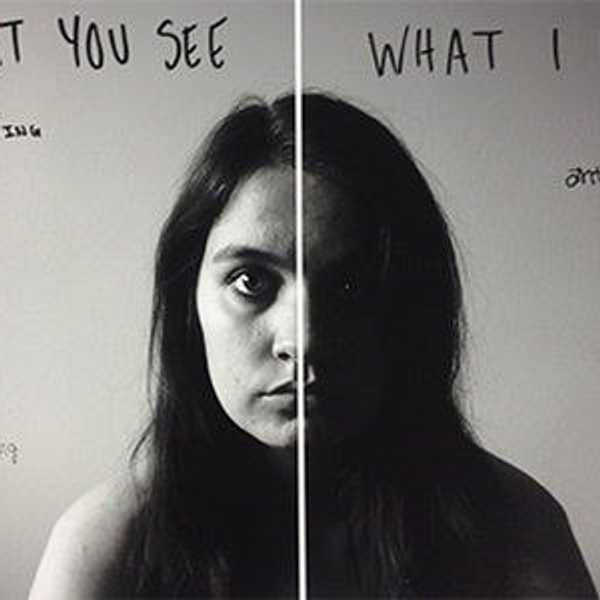
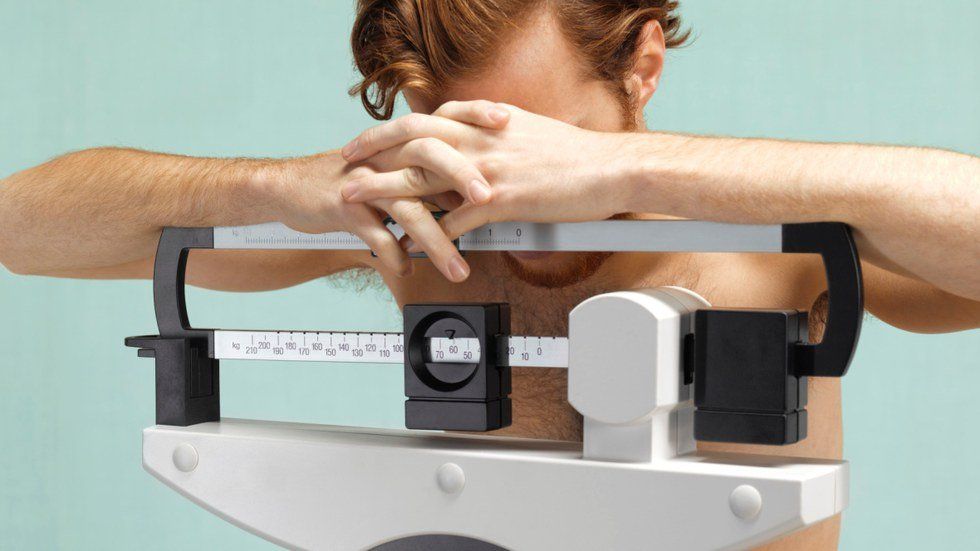
During my sophomore year of high school, what I would call the darkest time in my life thus far, I was diagnosed with anorexia nervosa.
Before continuing, I want to explain something. I do not like talking about this time in my life primarily because of my fear that people will think I am exploiting it for their attention or sympathy. I know that when my cynical self sees other people talking about particular conflicts they have experienced, even if their goal, ostensibly, is to spread a positive message, I regrettably often consider them to be self-righteous attention-seekers. Also, my recognition that my experience was not nearly as severe as that of the many, many others who have gone through or are currently going through similar struggles has led me to question my credibility on this subject. These worries have caused me to put off writing this article for some time. I have decided to write and publish this now because I feel like it’s the right thing to do. I feel like, if my sharing the insights I gained from my experience has even the slightest possibility of helping those in positions similar to the one I was in or a chance of broadening and challenging people’s perspectives about eating disorders and those who suffer from them, it would be wrong of me not write this article. I do not want your sympathy; I want your understanding.
The Mayo Clinic defines anorexia as “an eating disorder characterized by an abnormally low body weight, intense fear of gaining weight and a distorted perception of body weight.” My anorexia was likely a manifestation of my OCD in response to a variety of different factors, such as my feeling ashamed for having been overweight, social conflicts that stem from being a chubby kid in school, difficulties with handling my genetic food intolerances, general angst and frustration with my teenage existence, etc. I remember basing days’ successfulness on how little I ate and the overwhelming feeling of guilt that would accompany eating. I became extremely addicted to caffeine as I would secretly drink entire pots of black coffee in the mornings and when I got home from school in order to have enough energy to make it through the day without food. I also started a daily painkiller regimen to deal with withdrawal headaches and exercised constantly. I began rapidly losing weight, acting out of character and displaying signs of depression, all of which greatly alarmed my family. Eventually, after getting some tests done, my parents brought me to a clinic in Dallas where a doctor diagnosed me and said I was on the verge of being severely underweight. My parents told me they would leave me at the clinic for treatment unless I promised to start taking medication, seeing a therapist and eating healthy amounts of food under their supervision. I agreed. Over time, doing those things helped put an end to my detrimental eating, exercise and caffeine habits while also overcoming some of my psychological struggles. Although I do not feel like I have completely escaped a certain sense of body consciousness and weight-related anxiety to this day, my understanding and recognition of these things helps me keep them in check.
I don’t think many of the people I knew at the time were aware of what I was going through, and I haven’t been very open to talking about it since. I have seen people around me do or say things that I recognize to be representations of the same unhealthy mindset I had in the past. My heart breaks for these people because I understand what they feel, but I don’t talk to them about it because I can’t figure out how, and I worry that my acknowledgement of something so deeply personal and uncomfortable and embarrassing for them would be very awkward and potentially damaging to our relationship. I think this is a common problem for people who know someone struggling with eating disorders or distorted body images. They want to help, but they’re understandably worried about pushing the person away. It is also a problem for those struggling because their shame leads them to reject the love and concerns of the people around them. I have spent quite some time thinking about the way I saw things during my experience and pinpointing what helped and what hurt. I have also realized that the shame and embarrassment I felt and that others with similar conditions feel is primarily the result of a social stigma surrounding eating disorders and mental illness in general.
The stigma.
Why can it be safely assumed that people with eating disorders feel ashamed of suffering from something they cannot help? Why are eating disorders more embarrassing than broken legs or shellfish allergies? I believe the answer to these questions is the social stigma regarding issues of the mind. There is the idea that victims of mental illness are somehow lesser or weaker. There is the idea mental illness is God’s punishment for sin or a sign that those who suffer from it are not being adequately spiritual. There is the idea that people don’t actually have mental illnesses but are rather making them up for attention or sympathy or to get out of something. These ideas are often communicated through silent but palpable judgment. I believe they are caused by a lack understanding about what mental illness is and its effects.
I did not choose or want to have anorexia; it was like a contracted disease in that it occurred in me and affected me in ways beyond my control. I do not believe I should be any more ashamed of having had anorexia than I should for catching the flu. But I was ashamed of it, and even today, almost five years later, it is still difficult to talk about. Why? Because of the fear of the judgement that will undoubtedly result from sharing my experience. The judgement that has made its mark on countless victims of mental illness, including members of my own family.
It is important to note that I do not believe that the majority of those who make these judgements are ignorant or malicious, I just think they haven’t been exposed to the things that would lead them to have a more understanding perspective. It is not the people, but the underlying ideas that need to be addressed. The ideas that make up the stigma are based on falsehoods and misunderstandings and they are detrimental to the emotional, mental and physical health of those who are subjected to them. They prevent people from talking to others about what they are going through and from seeking help. The best way in my mind to overcome this stigma is through loving and honest conversation. The more people talk about what mental illness really is, the more people will recognize their preconceived notions to be inaccurate and change their perspectives. And when enough perspectives change, stigmas change.
How to help.
There are many different eating disorders and people react to different things in different ways, so I can only speak from my own experience about this. There is only so much you can do to help someone with an eating disorder unless you are their parent or guardian. You can’t force them to go to a clinic or eat, for instance. However, if I were to go back in time and befriend the past me that was struggling with anorexia, there are three things I would do that I know would make a very positive impact. Perhaps, if others do these things, they can also make a difference in the lives of the people they know who are dealing with eating disorders or poor body images. These three things are best thought of as the following concepts: encouragement over disparagement, support over sympathy and patience over pushing.
Encouragement over disparagement entails how you address the physical appearance of others, especially when it pertains to their weight, and how you speak about appearances and their implications in general. When I was chubby, people would make disparaging comments about my weight, and when I was skinny, people would make disparaging comments about my weight. Maybe they said them to be funny or playful, but I always took what they said to heart, and these comments echoed in my head long after they were said. I don’t see any benefit in making any sort of disparaging comments about people’s weight, playful or otherwise. If someone around you is struggling with their body image, you probably won’t know about it because people don’t generally publicize such things. It seems safer, in my mind, to just avoid saying these things altogether lest you risk unintentionally hurting someone. On the flipside, making encouraging comments about people’s appearance can mean the world to them, especially if they struggle with a poor body image. I can still remember some of the encouraging comments some of my friends made sophomore year in high school because I so desperately hung onto their words. They had no idea how much a simple phrase could impact me. It is for this reason that I believe simple words of encouragement are perhaps one of the best ways you can help someone you know who struggles with an eating order or other related issue.
Support over sympathy comes from the way I remember feeling about people feeling sorry for me as opposed to the security I found in the good friends I had in my life during that time. The last thing I wanted was pity or sympathy for my having anorexia or being underweight. When people would look at me sympathetically or make statements out of pity, it made me feel even more self-conscious and broken. It made me feel like I was like some kind of crippled puppy, even though I knew it was a sign of love and concern. My friends, however, provided me with a sense of belonging and confidence with their trust and companionship. When I was with them, I wouldn’t think as much about food or feel as much anxiety about the way I looked. I can’t imagine what it would’ve been like going through what I did if I didn’t have the support of my friends. Even though most of them weren’t aware of my eating disorder to my knowledge, their just being there and being my friends meant more to me than I can elucidate. Because of this, I believe supporting those with poor body images with your friendship is far more beneficial than expressing your sympathy or pity.
Patience over pushing means understanding that people cannot overcome eating disorders quickly, if at all. If you’re like me, you have an instinctive desire to fix the problems that cause the ones you care about to suffer, and you want to do it quickly so that they suffer less. The issue with this mindset when it relates to addressing people’s body image is that you cannot fix the underlying problem. It is only the person who has the poor body image who can go about changing their perception over time. If you try to force them to think differently or to change their habits, I believe you will only succeed in pushing them away from you. Instead, be patient with them and understand that overcoming something like that takes time. You might also consider researching the different eating disorders and studying their causes and effects in order to better understand and support those struggling.
Conclusion.
Whether you know someone with an eating disorder or not, there are things you can do to help those struggling and make an impact. You can help others understand what mental illness is in order to fight the stigma and you can encourage, support and be patient with those around you. These things may seem relatively insignificant, but I believe they are the best means we have for making a difference, and I think they can go a long way. I don’t know where I picked it up, but one of my favorite sayings is “everyone’s got something.” Everyone has problems, everyone deals with their own issues and everyone struggles. We often think we have it worse off than those around us who seem to have it all together, but even those perfect-seeming people, even Ryan Gosling and the beautiful goddess that is Katy Perry, deal with problems of their own. I don’t believe we should be ashamed of our somethings or judge others for theirs; I think we should strive to be as understanding and loving as we can in order to create an accepting environment where people do not feel ashamed by their somethings, but supported in their struggles with them.