
I love the Olympics, but I watch them with a grain of salt.
Every two years I am amazed by Olympic athletes. As an American sports fan who has grown accustomed to the constant, monotonous discussion of baseball, basketball and football, I find it quite refreshing to see other sports in the mix like swimming, judo, speed skating and yes, even race-walking. I marvel at competitors who have dedicated their lives to a sport, in many cases, a sport the general public knows little about. I am always struck by the parade of nations, a global festival where every participating country gets their moment in the spotlight.
Yes, the games are one of the more unique events human history.
But, the Olympics, like all other events, are just a show and most viewers do not know what happens when the curtains close.
It would be fantastic if the Olympics were just about sport, but the reality is they are not, and never have been.
The Olympics were not just about sports in 2004, when Greece used public money to develop stadiums that are vacant today or in 2008, when Chinese officials bulldozed an entire community to build the Beijing National Stadium, or most recently, in 2014, when workers rights and LGBT rights were ignored in Sochi, Russia.
The Olympics serve as a vehicle to advertise the host nation and create profit for the International Olympic Committee (IOC). This dynamic was clearly demonstrated by this year’s games in Rio.
When Rio was awarded as a host city seven years ago, the country was thriving economically and, to many, rising in the ranks of global superpowers. Yes, Brazil had its fair share of problems, but that would all be fixed by 2016, or so Brazilians thought.
The IOC promised that with these Olympics will also come a new and improved Rio.
Seven years later, 77,000 residents of Rio have been displaced from their homes, raw sewage continues to run through poor neighborhoods, public funds have gone to building new stadiums instead of schools, hospitals and other basic necessities. Guanabara Bay is filled with trash and raw sewage, public protests are constant and political corruption is rampant.
The IOC has not just turned a blind eye to these atrocities, they have crated many of Brazil’s social problems, specifically the displacement of thousands of residents in Rio’s poorest neighborhoods: the favelas.
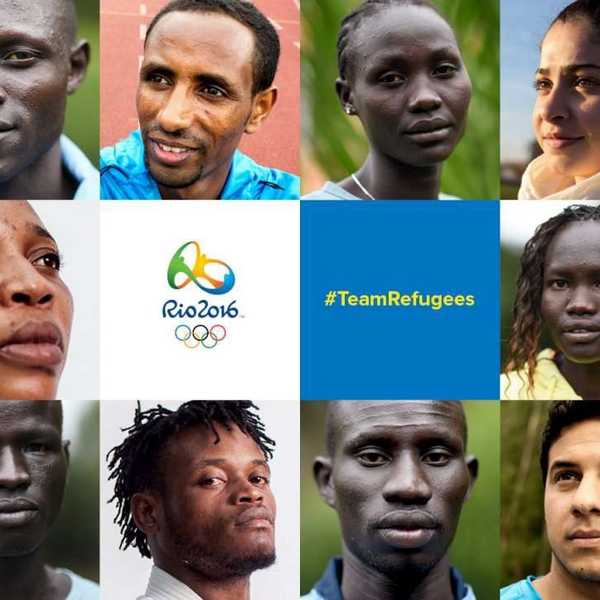
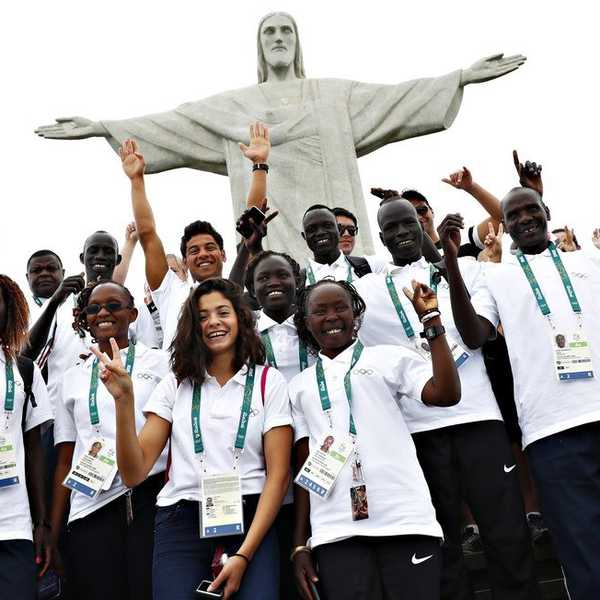
Ironically, the IOC has proudly touted their Olympic refugee team; a group of ten athletes from different nations competing under the Olympic flag, fleeing persecution and oppression from their own country.
These athletes deserve a tremendous amount of credit for their courage. Their stories are absolutely inspiring. But the IOC has really created two refugee teams; ten athletes from around the world, and 77,000 Brazilians displaced from their homes.
Dave Zirin, sports writer for The Nation, warns his readers how they should not, “let heart-warming coverage of the Refugee Olympic Team distract [us] from the other refugee crisis the IOC helped create.”
So, knowing what we know about Rio, can we really call these Olympics successful?
The games were a success, I mean, nothing really atrocious happened during any competitions. But is that the measurement we will use for these Olympics?
Hundreds of athletes and thousands of tourists could have been affected by the dangerous Zika virus, city dwellers have been displaced from their homes and more money has been invested in stadium building than education, or medicine. I could go on, but that alone does not sound successful to me.
I watch my Olympics with a grain of salt, but this time, these games left me feeling bitter.