
With about 500,000 people expected to visit Brazil for the Olympics in August this year, the spread of the Zika virus has raised questions and concerns about the Olympics. Infectious disease experts are mainly focused on the potential for Zika to spread to the United States. As many as 200,000 Americans are expected to travel to Rio de Janeiro for the Olympics. Subsequently, after their arrival into the Northern Hemisphere, far more mosquitoes will be around, in the summer heat, to potentially spread the virus in the US. The apprehension both over how far and how quickly the virus has spread in latest months has steered to public anxiety ahead of the Rio Games.
Scott Blackman, CEO of the U.S Olympic Committee, said, “We want to communicate and educate (the public)," Blackmun said Monday. "It's their Olympic Games. They're the ones who qualify for it."
As many as 1.5 million people are believed to have contracted the virus in Brazil, since there was an outbreak in Polynesia. Zika has spread to far more than 20 nations and territories in the Western Hemisphere, according to the World Health Organization, demonstrating how rapidly the epidemic can expand. The virus poses a specific challenge in that 80 per cent of cases display no symptoms, and hence will not get detected in a syndrome surveillance system.
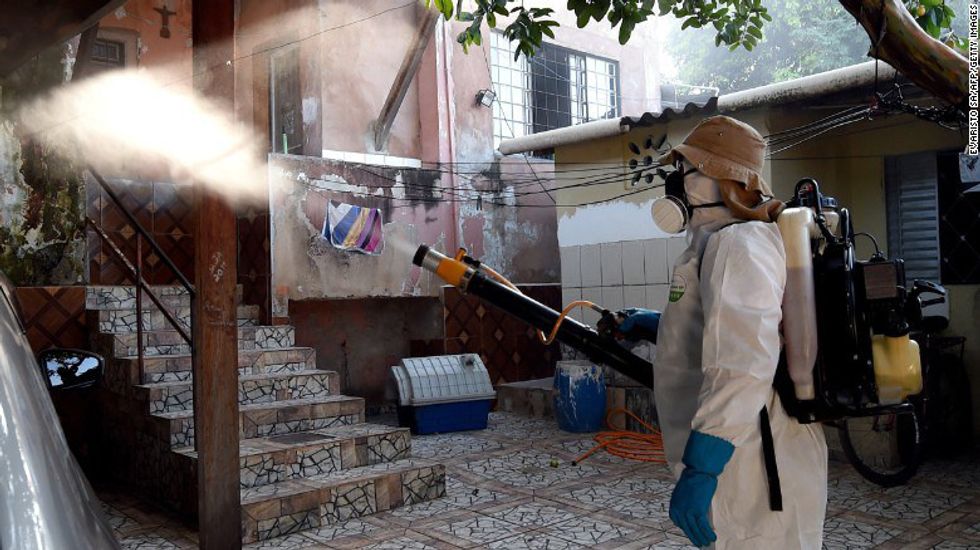
Brazil has propelled a prodigious effort to disinfect Rio of the resilient Aedes aegypto mosquitoes- most of the Olympics events will take place in one city- but it has a local populace of 12.9 million sharing a diverse topography that comprises of beaches and rain forests. Other than the risk to pregnant mothers and infants, thousands of people around the country have been infected by the Guillain-Barré, a condition that Brazilian officials caution may have a connection to Zika and can leave patients paralyzed for weeks.
New York University bioethicist commented that Brazil is being irresponsible with public health. The country shouldn't be "trying to run an Olympics and battle an epidemic at the same time."
Mammoth crowds are always linked to risks, ranging from infections to traumatic injuries. But in various ways, the Zika virus is a distinctive enemy, to mankind, when related to the types of infections anticipated by medical officials who are responsible of the safety at such gatherings. If the International Olympic Committee and Brazil are not up to the challenge, as they claim to be, their verdict to go ahead with the games could detrimentally influence much of the world.