
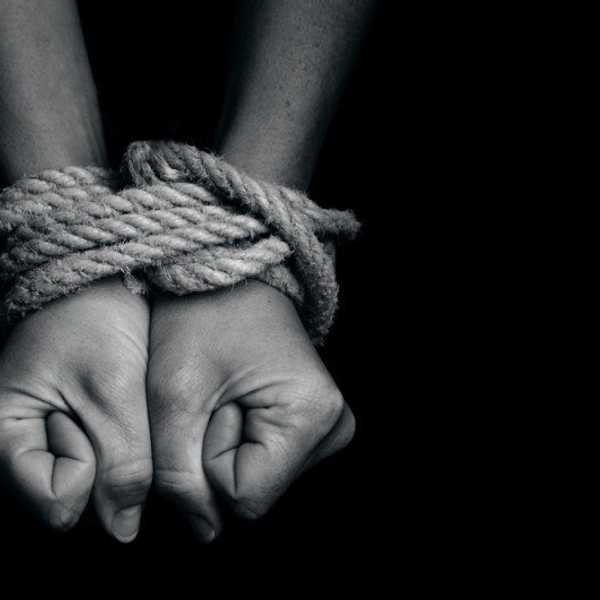

He looks at you as if you’re the sun and his entire world. He buys you nice presents and never forgets to send a good morning text. He’s kind to your friends, a gentleman to your parents. He’s not abusive, right? Your relationship could never be toxic. He blames you every time something goes wrong. He calls you a whore and a bitch, then says you’re being overly sensitive. He threatens you when you miss his calls or don’t respond to his texts. But he apologizes and gives you flowers.
This summer, I had the privilege of interning at a Domestic Abuse non-profit that offers support, prevention, and education. I learned about the subtleties and nuances of abuse, especially in teens and young adults engaging in their first relationships. What started out as puppy love and smooth sailing can quickly turn into rough waters. In a first relationship, people aren’t always sure what is normal or healthy, which is why it is incredibly important for young people, especially young girls to recognize the signs of what is toxic. Girls and young women between the ages of 16 and 24 makes up the most prevalent demographic that experiences dating abuse, nearly three times the national average. That, combined with movies and T.V. shows that sensationalize abusive and controlling relationships ("Twilight," anyone?), young girls especially need to be cognizant of what qualifies as divorce.
Most people refuse to recognize that the person that often brings them so much joy, and also pain, is abusing them. They pass it off as normal and provide an endless parade of excuses: “he was drunk,” “he didn’t mean it,” “it was my fault,” “I was in a bad mood.” Excuses allow abuse to perpetuate until it becomes a pattern. Abuse is defined as a pattern of behavior in a relationship used to gain or maintain control, and can come in a plethora of different forms, ranging from several seemingly isolated incidents to daily occurrences. Some people assume that abuse can only be physical and invalidate their experience because it does not fit their preconceived notion. The truth is, it can come in a variety of forms, like emotional, sexual, financial, technological, and more. If your partner is making you feel powerless through their repeated actions, its abuse.
If you have a friend in an abusive relationship, the priority is always safety. While it may seem like the best decision to get out right away, it is imperative to have a plan and ensure that the abusive partner will not take drastic action for backlash. It is important not to encourage your friend to get out immediately, but let them recognize the signs by providing your support and expressing your feelings when you see your partner treat them that way.
If you are someone that thinks you may be experiencing abuse, again, safety is key. Most likely, discussing your partner's actions with them will not yield action, so try to find some support in a parent, friend, or counselor to assist you to leave the relationship in a healthy way. It can be incredibly difficult to understand that the perfect person you think you see is actually not so perfect after all, but you are strong and can make it through, I promise.