Broscience fact #1: Muscle is built in the gym during a workout.
Although this might make sense, it is intuitively false. Muscle isn't built at the gym, it is broken down at the gym. Exercise doesn't grow your muscles, it destroys them. The only time that they grow is if you give them adequate rest after a workout. You are giving your body the opportunity to build itself back up bigger and better than before. Without giving yourself time for recovery your body would break itself down into nothing.
Proper recovery can take many different forms. The best form of recovery is sleep. Getting 7 or 8 hours a night especially after a hard day at work or school and at the gym is crucial for building and maintaining muscle. Both testosterone and growth hormones reach their highest levels during sleep, and only during the deepest part of sleep. The longer and better you sleep, the more you recover and the bigger your muscles grow.
Nutrition is the next most important part of recovery.
Putting the right fuel into your body can make a difference in optimizing your workout. Many people put an emphasis on post workout nutrition, but nutrition is something that should be taken care of 24/7. Make sure you are getting enough protein to fuel your body and rebuild your muscle. There is always a big debate among “experts" about how much protein you need. It's better to overdo it and excrete extra protein than not eat enough and risk losing muscle. One gram per pound of lean bodyweight is a good place to start.
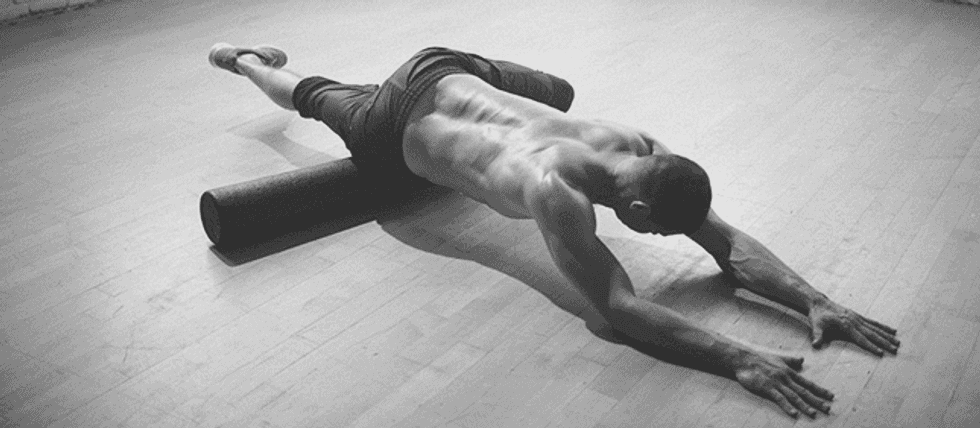
The last form of recovery is more active than the first two, and just as important. Stretching, yoga, and foam rolling are all great ways to actively recover and help your muscles rebuild. All of these things increase blood flow to your muscles and can quicken recovery by helping flush out toxic byproducts of exercise. Yoga can have an added benefit of mental recovery as well. The body follows the mind and a tired and worn-out mind leads to a tired and worn-out body.
Recovery is often overlooked because it's not as exciting as training. People tend to put a greater emphasis on training than recovery. This is totally backwards. Everything you do should be to try to optimize your recovery and allow yourself to train effectively. Tactics like super compensation are great at having loading weeks, and then a week of very light training before you hit a week of heavy PRs. Fitness icons on Instagram and YouTube may not be putting videos up every week of them foam rolling and doing yoga, but behind the scenes they are doing the most recovery that they can fit into their schedules. Always remember: You build muscle in your bed, not at the gym.