Repugnant and hateful phrases flow from their lips like a second language, a disconcertingly natural sound for them, as though they believe that the air will capture the hostility of their words and have no effect upon the receiver- a boy who had joined our class from Pakistan the year before. I watched his irises appear to shatter behind a glaze of moisture as his eyes welled up with tears, a mixture of frustration and pain. He was not human to them. Instead, a symbol of, what they believed to be, the destruction of their way of life. The date is September 12th, I am in the fourth grade, and I am tasting prejudice for the first time. It’s bitter, and I’m glad that it hasn’t found a home on my tongue.
I take pity on the individuals who abused that boy early in life, living in the confines of their ignorance, so filled with malice toward all those who are not held together by white skin. War produces casualties on the battle front, in homes and civilizations, and in the minds of impressionable and naive individuals back at home. War spoils the intricacy and ability of the human intellect, replacing it instead with tireless hatred. But the power of war itself is so endlessly fascinating. It transforms the purity of the human spirit into something tainted, disgusting. It equates human death with victory; individuals take pride in how many lives they took, how many fathers they killed, how many mothers they left without sons. When did the barbaric act of taking a human life become something to celebrate and relish in? Why would something so devastating produce such pride?
Some of the abuse stems from a misuse and misinterpretation of some form of biblical scripture, transforming something beautiful, something that people take sanctuary in, something that is used to instill a sense of hope, into a point of destruction. A small passage from an ancient, outdated text (Leviticus for example) can weed itself into a stance for hatred and bigotry (such as homophobia). Others, however, don’t even attempt to justify their hatred, taking pride in stating that hate is just interwoven into their DNA. To quote a fellow classmate from my high school, “I’m not racist, I just really hate black people. Oh and Mexicans…fuck the Mexicans.” I didn’t even bother to ask his opinion on those who practice Islam, I knew that the answer would be of a similar nature.
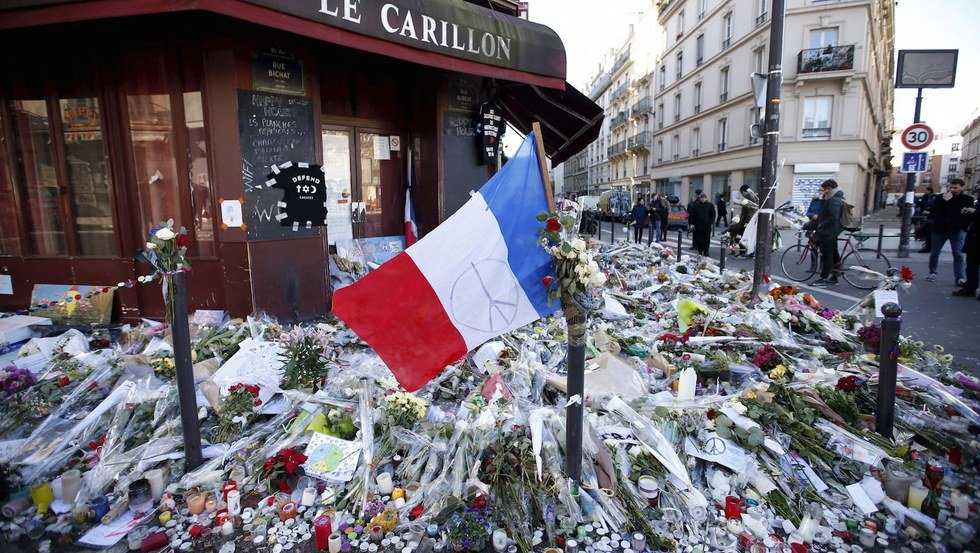
I couldn’t grasp bigotry, how could someone be so unsympathetic to the human condition simply because of their faith, skin color, origins? I didn’t understand it until I sat idly on my dorm bed, staring at the television monitor the spewed the horrors that were occurring in Paris. I had visions of my friend currently living in Paris caught in such a dangerous environment; he had been at the stadium during the attack. Tears threatened to spill at the thought and as the broadcast continued, they did in mass quantities. Two thoughts overcame me in that moment: 1. I hope that Nicolas is safe. 2. Muslims are dangerous people. I halted myself at the second statement, refusing to let it crawl its way out of my throat. How could someone, who had consistently advocated against generality of any kind, have such thoughts? Then it hit: I had let my emotional response override my logic, my empathy, my humanity. That is how bigotry is formed, and it is a personal choice as to whether or not you let it consume your logical, conscious thought. It is through education and intake of actual reality that prejudice is prevented, and it is in such violent, chaotic times such as this, that education is so crucial. That is why we need the humanities, and that’s why we need it now.