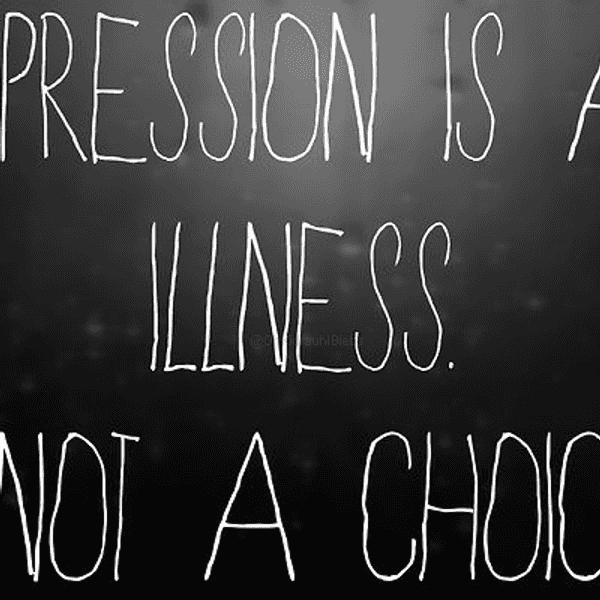

In light of the tragic losses at Carnegie Mellon University this week, a large number of powerful confessions were posted on social networking sites. As I scrolled through Facebook, I could not help but notice a pattern in many of the posts. Students were sharing their individual experiences with depression, suicidal thoughts, and the benefits that they received from psychiatric help. Despite being a close friend with several of these students, it came as quite a surprise to see that so many seemingly comfortable friends were secretly struggling all of this time with anxiety, depression, or both. Carnegie Mellon University is a rigorous school and, quite honestly, it is not unexpected that so many students would be bogged down with work and stress. However, putting on a smile in the midst of dark times simply because we are taught that these feelings make us weak is not OK. Ignoring a problem does not cause it to disappear and, frankly, ignorance makes those suffering feel more alone than ever.
In my experience, stress is not an everyday occurrence. Stress builds up during assignment- or test-heavy weeks and can be further enhanced by a variety of external factors. Something as simple as a poor night of sleep can substantially bring someone down in the days following. Frankly, reactions to stress can be unpredictable and it is this same unpredictability that makes it so dangerous. Again, this provides another reason why feelings that are brought on by stress should not be ignored.
As unforeseeable as a response to stress is, it is just as difficult to predict a way to relieve that stress. This adds to the danger, as those experiencing long-term stress may be unable to foresee an end. On the other hand, this unpredictability provides another sliver of hope in that relief may come unexpectedly. For example, I will never forget the time when an enormous truck went through a huge puddle as I walked along the sidewalk, soaking me entirely on what had started as a miserable day. Instead, the sudden surprise in my day perked up my spirits (despite the need to change clothes). If a simple change in the pace of a day can make such a difference in demeanor, there is a beacon of hope that an upsetting day will become an uplifting one. Often, though, it’s important to remind ourselves and others of both the expected and unexpected joys of life.
For some, stress relief is found in acquiring extra sleep or working long before a deadline. Others clear their minds through exercise, matching their mental exhaustion with physical exertion. Some turn to drugs or risky behavior. In the midst of tough times, there are healthy and unhealthy methods of coping with a particularly unpleasant situation. Again, it is through speech that we can convey our thoughts and assist each other towards more beneficial coping strategies.
As we reflect on this week of immense loss, let’s consider the perceptions of others. It is about time that we put on our true faces and feel proud to admit that we are humans. Not a single one of us flies by without a single struggle. Whether the struggles that we face are related to academics, relationships, health, or finances, they are valid and worth the time that it takes to share them. It is OK to ask for help. It is fine to feel afraid, nervous, or useless at times. However, it is not OK to, as a society, withhold our “flaws” at the expense of individuals who inevitably feel more hopeless than ever. It is with this solemn reflection that I am convinced that ignorance is not always bliss. It is through the exchanging of truthful words that we should face the stress that we endure each day, no longer alone, but together.