

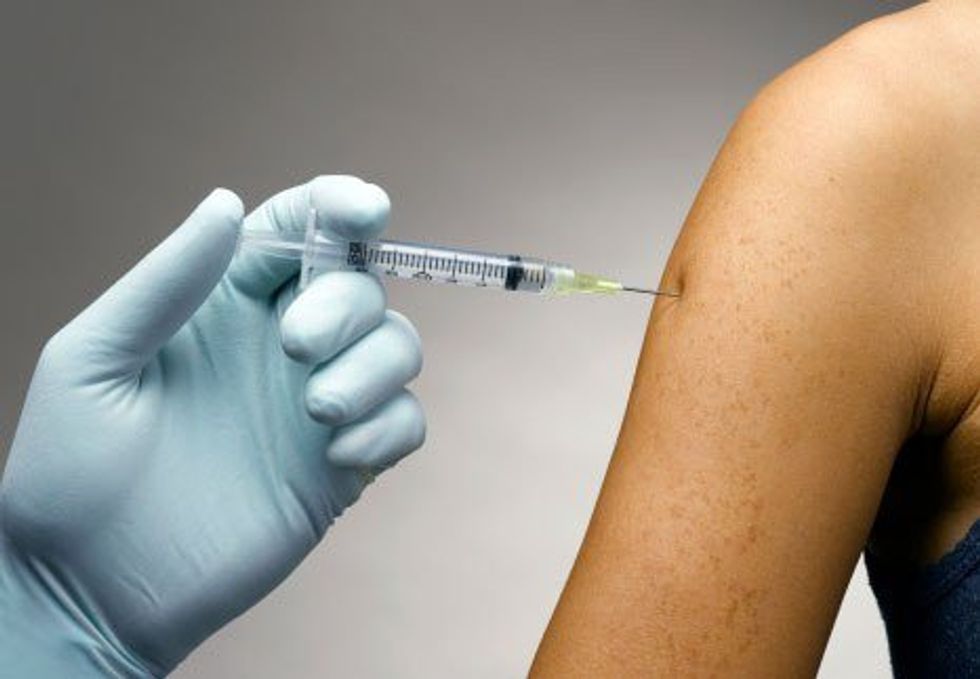
The CDC recommends that teens be vaccinated against HPV starting at age 11. Human Papilloma Virus, which is a group of more than 40 viruses, is the most common sexually transmitted infection, or STI. The catch? A person can be infected with HPV and not show any symptoms.
In many cases, HPV does not cause any serious health problems. However, certain forms of the virus can cause cancer, cervical in particular. While HPV may often be associated with cancers affecting only females, the vaccine is recommended for males as well. In addition to cervical cancer, certain forms of HPV can result in anal and throat cancer common to both genders. So who wouldn’t agree to a vaccine aimed at protecting themselves (and their partners) against HPV?
An article shared widely on Facebook and other social media in 2009 suggested that Dr. Diane Harper, a developer of the Gardasil vaccine, claimed that the vaccination was likely not effective. It seems that a statement regarding the funding and marketing behind Gardasil was misinterpreted. While Dr. Harper addressed the marketing of Gardasil and its effects on precautions taken by women to avoid STIs, it appears her statement was taken out of context. At no point did Harper imply that the vaccine is an ineffective precautionary measure or that it causes any sort of harm, as suggested by accusatory articles. Rather, she expressed interest in whether or not the availability of the vaccine would cause men and women to avoid using other methods of protection against STIs. Recently after these articles gained popularity, Dr. Harper shared with CBS News that the risk for any sort of harm associated with Gardasil is minimal. Rumors may surface, but the HPV vaccine is not a hoax.
The American Cancer Society assures that the vaccine is safe and effective. While the HPV vaccine is not to be feared, the choice to vaccinate remains a personal one.