
Cardiovascular disease is the leading cause of death globally, according to the latest 2015 study by World Health Organization. One in four Americans die of cardiovascular disease, totaling 610,000 deaths a year according to the Centers for Disease Control. There is still hope because heart disease can be prevented with a proper diet and regular exercise.
According to Walter Willett, the department chair of Nutrition at Harvard T.H. Chan School of Public Health, there are numerous risks associated with red meat. Studies showed a higher risk of cardiovascular disease such as heart disease, stroke, and Type 2 diabetes. There are numerous factors that cause this. One is all the trans fats loaded in red meats, especially bacon, hot dogs, and lunch meats. Another factor is the lack of fruits and vegetables in American’s diets.
There is also a link between red meat consumption and cancer. Colorectal (colon) cancer is the most associated. There is also a risk associated to breast cancer in adolescents who consume red meat. Moderation is the key to reducing these risks and others associated with red meat.
Men who ate two servings of red meat a day had roughly a 37 percent higher risk of dying, than those who ate around two servings a week, according to a study titled "Bye Bye Beef?" published in Nutrition Action Healthletter. The Royal burger from Red Robin is 1,227 calories and has 87 grams of fat for a six oz. burger. For a sixteen oz. ribeye from Texas Roadhouse it is 1,240 calories and 100 grams of fat. Neither of those includes the bottomless fries or endless dinner rolls. Now let’s compare some alternative options. The average turkey burger has around 193 calories, and 11 grams of fat. The average veggie burger has 124 calories and only 4.4 grams of fat.
Some additional alternative protein sources include poultry, fish, nuts, beans, and low-fat dairy products. These foods have more unsaturated fat in them compared to the high amounts of saturated fat in beef. Also, fish is high in omega-3 fats, which most people lack in their diet. This article is not saying to completely cut out meat. Knowing the risks associated is the first step to reducing the risks of cardiovascular disease.
Eating right can be difficult with availably and preference of foods while dining out. Most restaurants have huge portion sizes with limited small portion options. Another option is to eat half of the meat entrée served (or around 3-4 ounces) with a large salad. Take the rest home for lunch tomorrow! Be cautious of the dressing and toppings on a salad for they can quickly add more fat and calories.
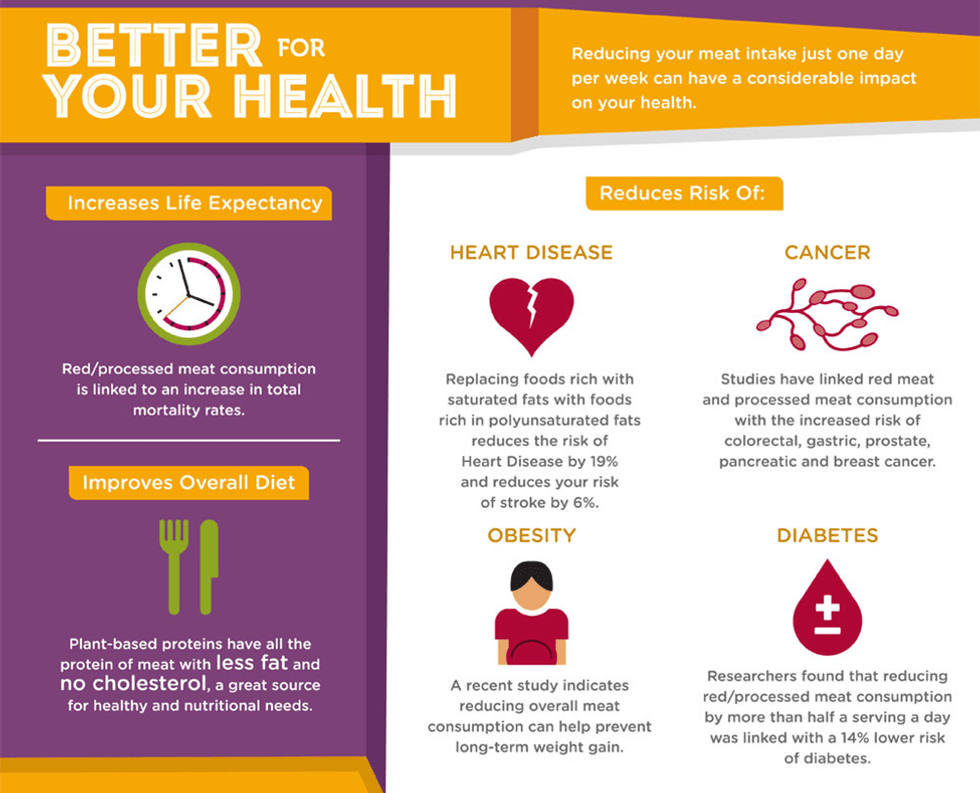
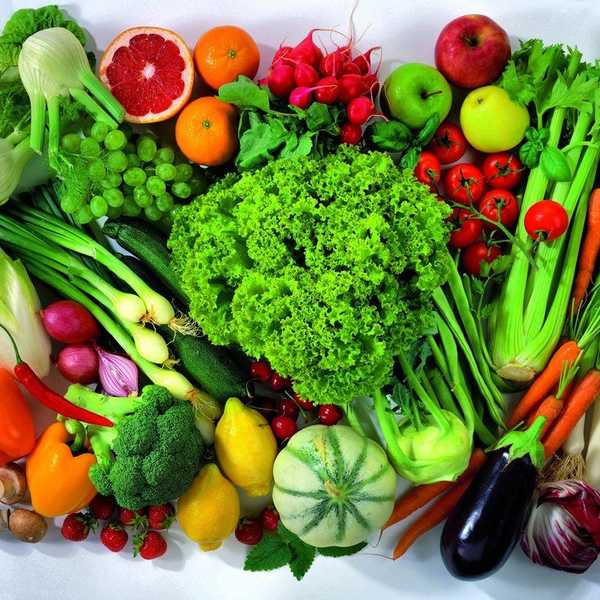
As stated above in the graph, plant based proteins such as nuts, beans, and even whole grains have no cholesterol, whereas all meat sources have cholesterol and saturated fat. Reducing saturated fat consumption and eating more plant proteins and fruits and vegetables can reduce the risk of heart disease by 19%. Reducing the amount of red meat consumed can also help lower the risk of obesity, cancer, and diabetes.
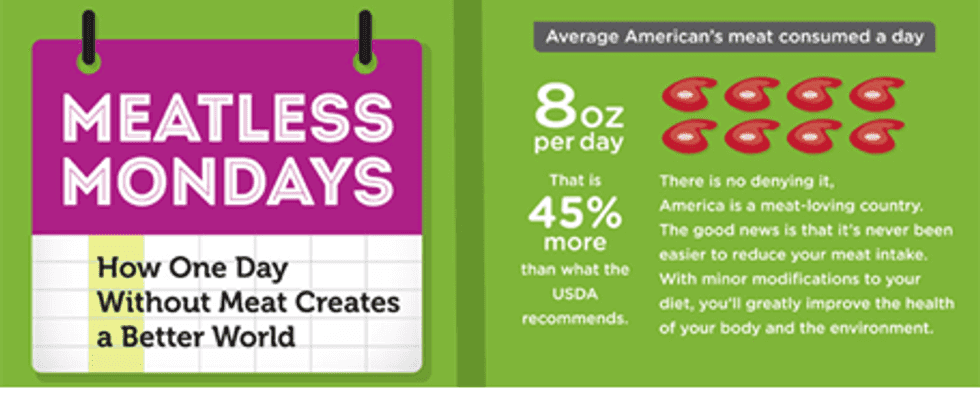
The meatless Monday initiative started in 2003 with the idea of making one meal a week with no meat. Their goal is to reduce meat consumption by 15% for overall health and to improve the planet. Their website provides recipes, and free materials for the community, school, and companies to use to help them promote Meatless Mondays.
Go check it out!