In recent weeks and months, the U.S. has once again been hit with the throws of great tragedy. From the Orlando massacre and its fifty-plus deaths, to the Alton Sterling and Philando Castile deaths surging the racial tensions so evident in our country, to now the most recent shooting in Dallas claiming the lives of several police officers, the United States of America is once again in the midst of great division. For over the past few weeks the U.S. has become a divided nation. And today, I want to pose some thoughts on why I believe we are so divided in a time that should cause us to come together as a society. I am not here to talk sides, or take a stance on who was right and what should be done regarding these situations; but rather, I am here to talk about why it is that we even have sides to begin with.
Throughout much of the history of the U.S., tragedy has served to unify our country. From massacres to shootings, to great political upsets, it has been amidst tragedy that the United States of America has shown its true colors as a society that cares for one another.
When looking back at dramatic events of U.S. history, it is clear that, until lately, tragedy has served to draw us, as a country, together to help and to heal and to support those affected. Yet in recent years, tragedy in the U.S. has served to separate and divide, rather than unify our society as a whole.
And I believe much of this has to do with the dramatic increases in technology that we as a people have experienced in the last decade or so.
In today's world, tragedy is publicized so shortly after, if not during, it's unfolding. As smartphones have dominated the cellular phone market, so have we seen the overflow of information at our fingertips. Social media dominates our thoughts and saturates our intentions, and with it has come a change in how we, as a people worldwide, respond to tragedy.
Through use of social media sites such as Facebook, Snapchat, Instagram, and Twitter, information regarding an event or tragedy floods the internet in a matter of moments. No longer is it days or weeks before the world is informed on an event, but rather, only seconds. Pictures are leaked, names are released, and stories begin to flow; often before an event has even finished.
Before the body count of a mass shooting has had time to be verified, numbers of those lost saturate social media in efforts to get a story across. Or on the other hand, before the full story of a white-on-black has taken place, a racial war has already begun to surface.
Social media has the ability to voice the cry of a people who have been hurt to those who can't hear them; to ask for help. Yet so often it is used for something entirely different; the validation of our own world views.
I remember watching the 9/11 tragedy terrorize my nation in a way I had never experienced before. As a child I stood in front of the television alongside my parents and siblings watching the horror of two airplanes impact one of the largest office spaces in New York City. With cries of terror from both the newscasters, and my parents, I watched as a cornerstone of American society came tumbling down. I watched the fire rain down from the top stories, and I stood in disbelief as those tall and mighty structures came tumbling down in a cloud of smoke. I was only six years old, but I remember every second of that day. And while the tragedy impacted me like nothing before, the most radiant memory I have from that day is watching the beginning stages of a country that would come to be unified through great loss. Over the weeks I heard and watched firefighters, EMTs and even civilians run headfirst into walls of flames to search for those trapped amidst the crumbling buildings. I watched relief groups rush to help those in need, and I watched as people from all over the world flocked to New York to provide support in any way they could. Because they knew that that was what was needed in a time of great tragedy. Our country needed to be unified, because our people needed help. And so we went.
Yet as I have sat and watched and read the reports on this shooting here and that unjustified killing there, and this massacre, I see very little happening in the ways of help.
Where in the past we have seen a society of people rush to the scene to help during a great trial, we now see a society of people rushing to their phones to be the first to post and "react" to the great loss. Rarely do we see teams of relief workers made up of individuals from all over the U.S. rushing to the location of a mishap anymore? Rather, we watch teams of people hidden behind screens throwing insult after insult towards those they see as guilty; often without any viable context on what happened.
We are quick to jump to conclusions that support our thoughts on society and our struggles with our culture, without ever knowing the full story of a situation.
And we do this because it is easier to hide behind our screens and voice our opinions than it is to rush to the scene and lend our support.
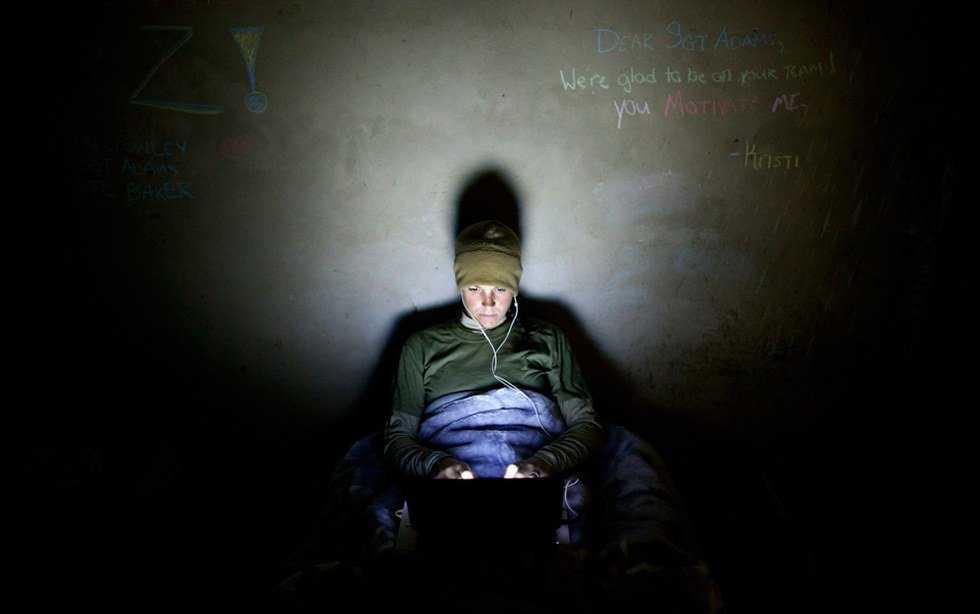
We find comfort in our backlit complaints and pointed posts, yet we fear real action. We are comfortable behind the walls of our phones and the lack of responsibility they provide while allowing us to still feel like we are doing something important.
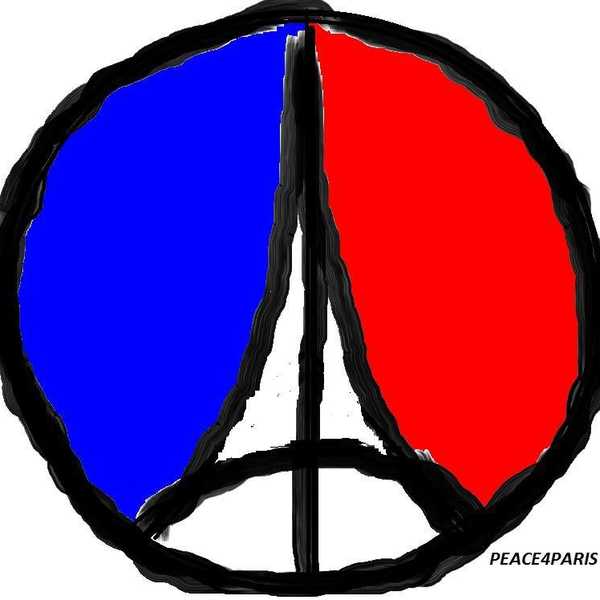
No longer is a response to suffering loss represented by a plane ticket, a conversation, a physical embrace, or even a phone call; all it takes is a filter on a Facebook profile picture to show support and fulfill our responsibility to help.
As a society we no longer step up to the plate to face the reality of a tragedy and the consequences it brings. Rather we sit behind the screens of our computers and write our oh-so-confident opinions of what is right and wrong, only to shy away from the actual act of standing up for our arguments. We shirk responsibility in the response to a tragedy through the barricades of our social media accounts, and through it, social war, rather than social healing, arises from the ashes of tragedy.
We long to use tragedy to back our arguments of racial tension or terrorist conspiracies. We use tragedy in our society to validate our mindsets and support our views of our culture. Tragedy has become a tool for us, in the social media world, to start fights, not end them. Where tragedy once served to unify a country, it now serves as a platform for division. Our over-informed lifestyles have caused us, as a people, to change the way we respond to tragedy in a way that often increases the chaos, rather than calms the storm.