On April 12th, 1999, I was diagnosed with Neuroblastoma, a type of pediatric cancer of the sympathetic nervous system. It starts in fetal or embryonic nerve cells, so it primarily affects infants and young children. I was only 18-months-old. I’m sure I know what you’re thinking: Cancer. The dreaded “c word.” You’ve probably got plenty of ideas swirling around in your head right now about the painful experience it must have been, and you’re most likely feeling bad for me. But like I said, I was only 18-months-old.
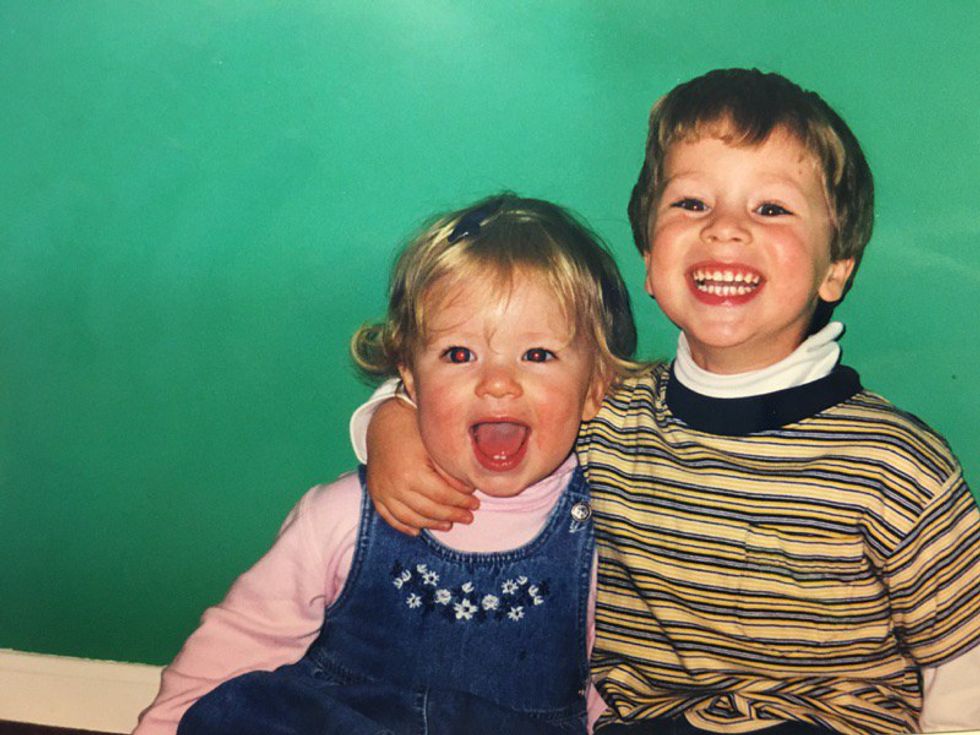 One week before my diagnosis
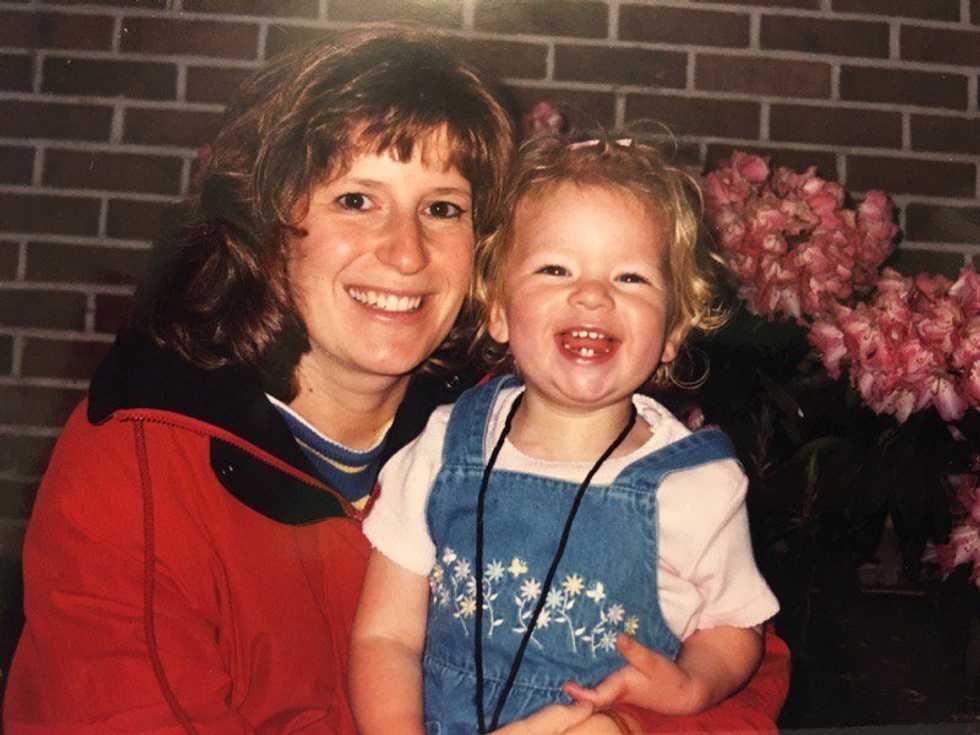
It was just another routine check-up at the pediatrician’s office that my mom took me to while my dad was at work. I was your typical, happy one-and-a-half-year-old child, and according to my mom, all seemed normal, except for my lack of appetite. But I was teething, so no big worries there, right? No worries that is, until my doctor started feeling around my abdomen with her hands. She said that something felt “off”, and had my mom take me to get an ultrasound right away just to be safe. Well that ultrasound warranted an x-ray, where my dad joined us, and that x-ray turned into a trip right back to my pediatrician where she gave my parents the news. I had a tumor in my abdomen, and I needed to get to Johns Hopkins Children’s Center in Baltimore City right away. It was cancer. So off we went.
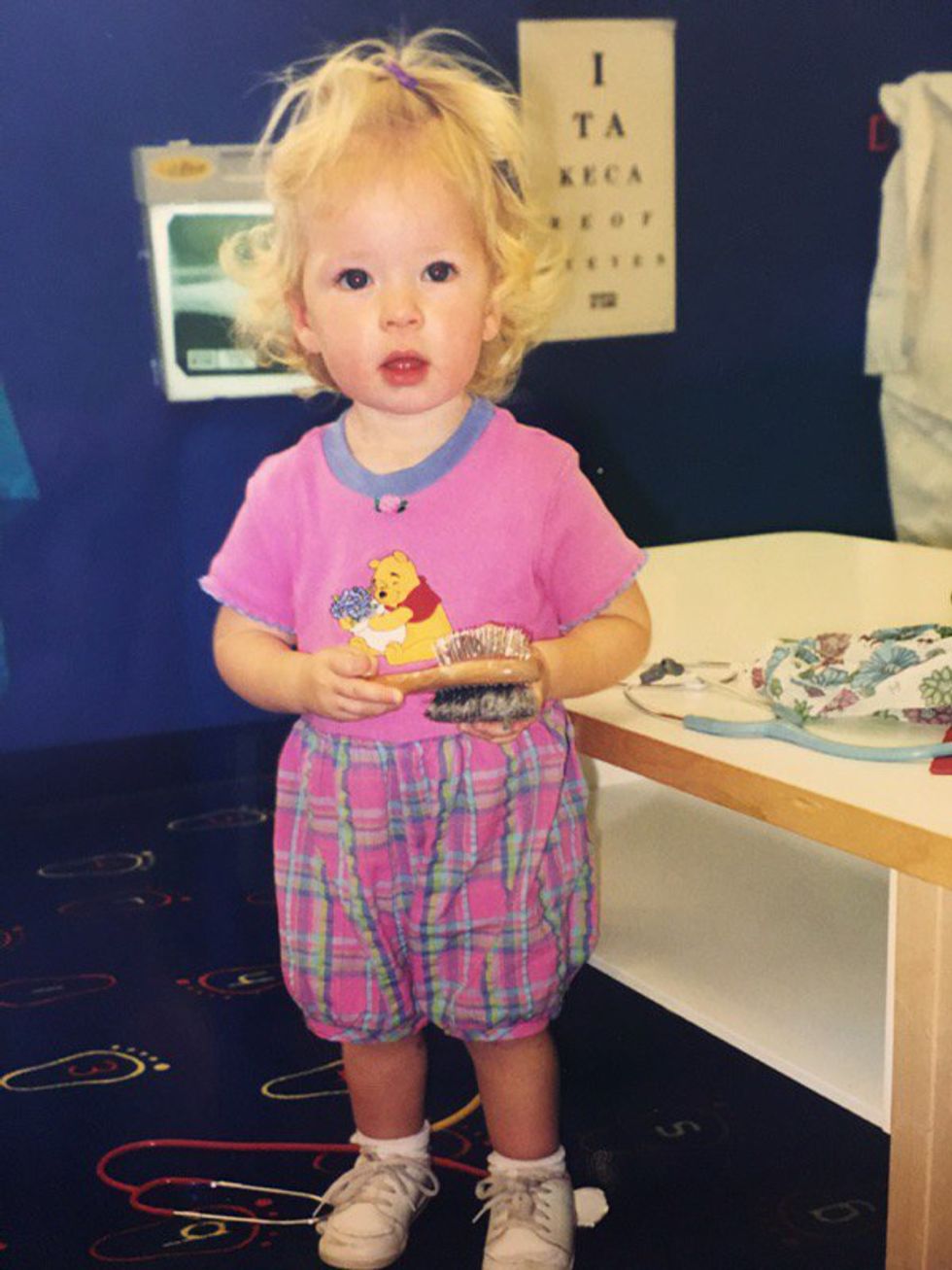
As you know, October is breast cancer awareness month, and you may not know that September was pediatric cancer month. Because of this, I’m sure that many of you have attended some sort of awareness or benefit event at which people who have either battled cancer or are currently battling cancer are honored. Inspiring speeches are given, tears of both joy and sorrow are shed, money is donated, and moving stories are told. At my own university, a campus group organized a run-a-thon of sorts just a few weeks ago in an effort to raise money and awareness for the Brian Piccolo Cancer Research Fund. After the thousands of laps around the quad had been run, two students stood in front of the crowd of people gathered in front of our school’s chapel, and shared their stories of their own recent, hard-fought, life-threatening, scary battles with cancer. And while I was listening to these brave people share their riveting stories, a thought crystallized in my mind, a thought that has been with me for as long as I have known, that I too had had cancer. I was only 18-months-old.
You see, on April 19th, 1999, just a few days after my frightening diagnosis, a group of extraordinarily talented doctors at Johns Hopkins Children's Center in Baltimore City performed the surgery that would save my life. They resected a tumor the size of a baseball that had been lodged between my stomach and my spinal cord, and in one fell swoop, cured me of the “c word.” I was only 18-months-old. Yes, I was very sick before the surgery, and if my pediatrician hadn't noticed the tumor when she did, it would have gotten a lot worse. But I never had chemotherapy. I never went through radiation. I didn’t have any failed treatment, and never had to be nervous that my treatment wasn’t working. I didn’t have to miss entire months of high school. I can participate fully in any athletic or physical activity that I choose. My hair didn’t fall out and my life really wasn’t put on hold.
In fact, the most that I have to show for my battle with cancer is a large scar that spans half the width of my stomach, and vague memories of routine doctor’s appointments, blood and urine tests, and CT scans for the first nine years of my life. You see, when I attend these moving benefit events, I feel like I can’t really count myself as a cancer survivor. People see my scar and ask me what happened, and my answer is usually followed by looks of shock and variations of “oh my goodness, I’m so sorry.” But I don’t know what they’re sorry for. My life was never that affected. My parents’ lives were turned upside down. My then 3-year-old brother’s life was momentarily upended. And our other family and friends worried about what was going to happen to me (I think that some still do), but I myself never did any of the worrying for my well-being. I didn’t have to have those hard conversations with the doctors and nurses that others with cancer so often have to endure. I never had to wait for the results of the blood tests and scans to make sure my cancer hadn’t come back. I was only 18-months-old.
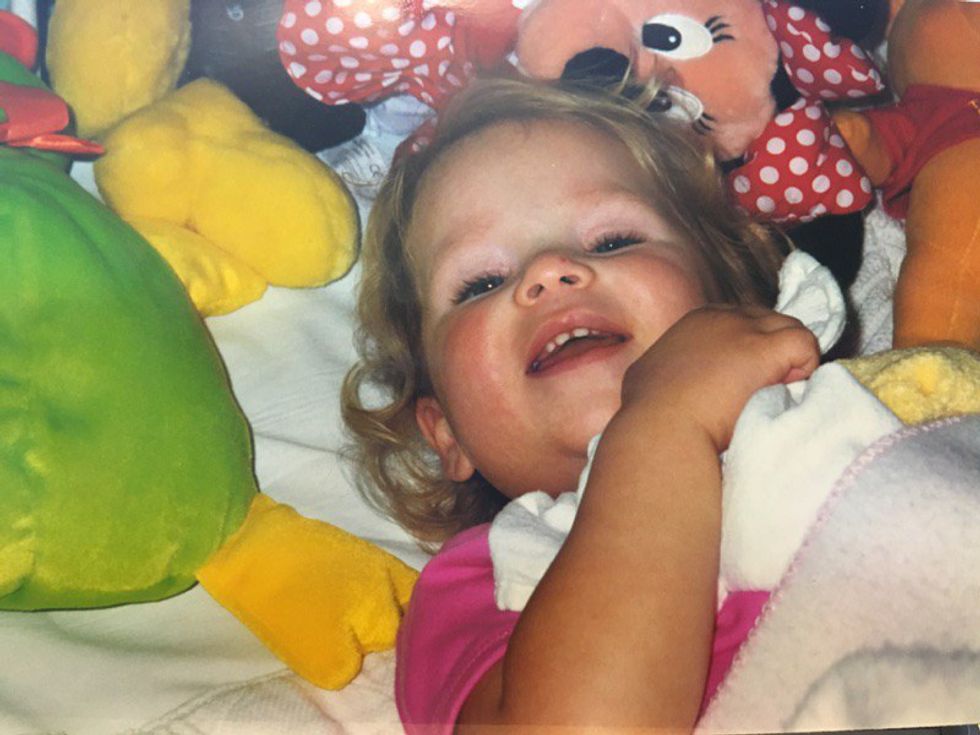 Lying in my crib in the hospital
You hear words like “hero” and “warrior” quite a bit at these benefit events. And don’t get me wrong, cancer survivors fully earn those titles when they’re sent on the harrowing journeys that they never wanted to take. But I don’t think you can call me a warrior, and I don’t think anyone can consider me their hero. The hero in my story is my pediatrician who found my tumor when it was only stage 1, a feat many doctors might have missed. From the outside, my tumor felt like it was only the size of a raisin, but she found it anyway. The hero in my story is the surgeon that resected that tumor so perfectly so as not to leave any trace of cancer behind. The hero in my story is the wonderful male nurse that stood in the booth that controlled the CT scanner at every one of my visits, and made bird noises into the microphone as I took my “donut ride” so the scared little girl already rattled by the IV needle wouldn’t be so scared of the noisy machine. The heroes in my story are the nurses that talked to and comforted my family while they were experiencing all of this right alongside me.
And the warriors in my story? Well the warriors are first and foremost my parents. The warrior is my mom, who bravely and calmly ran me all over town that day, fighting back panic as she took her baby to all of those different tests. My mom, who slept in the hospital every night I was there to make sure I was okay. The warrior is my dad, who held me in his arms for hours after my surgery, when I couldn’t fall sleep in my hospital crib due to of all of the wires and monitors to which I was attached. The warriors are my grandparents and other family members, who put their own lives on hold and came from near and far to help to take care of my then three-year-old brother, and to take shifts by my side at the hospital.
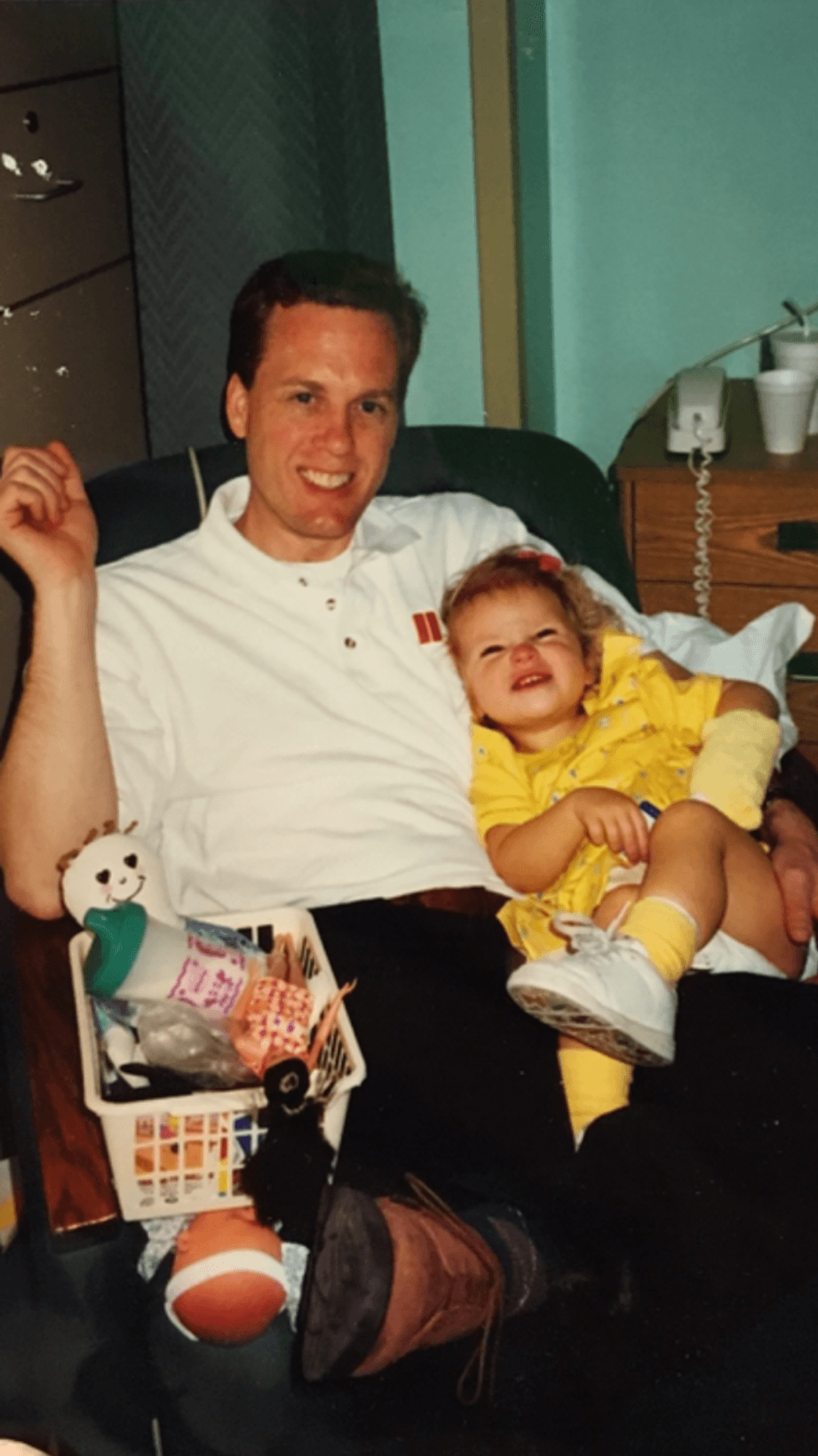 In the hospital, right before we were going home after my surgery
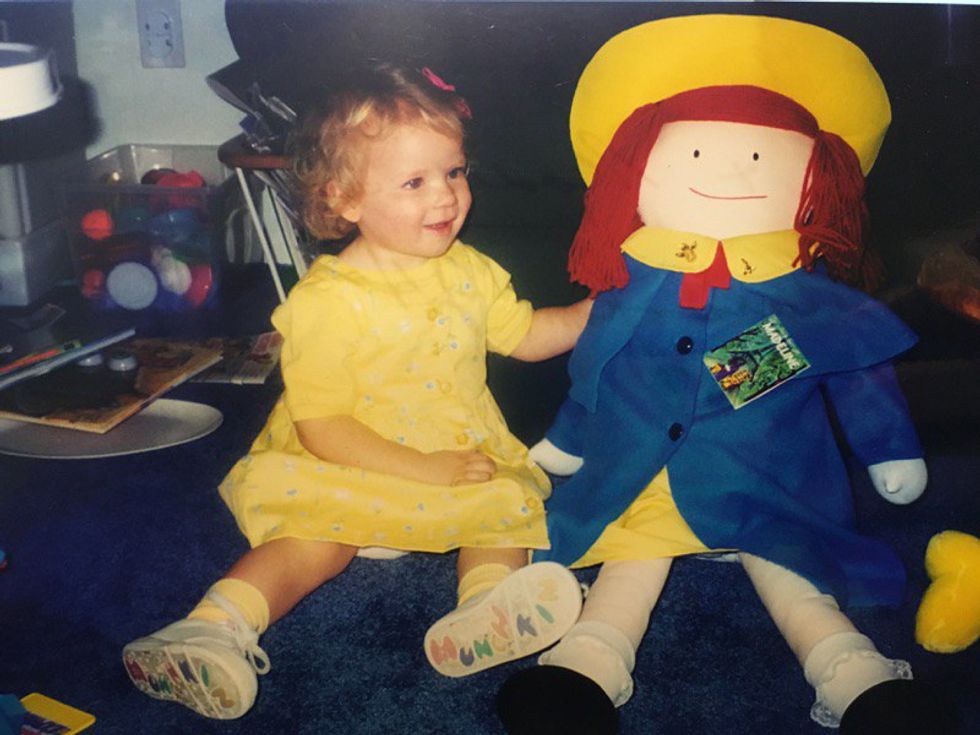 Right after we got home from the hospital
So during these months of cancer remembrance, and every other day, I’d like to say thank you to all of those heroes and warriors out there in the lives of the men, women, and children struggling with cancer. Thank you to those of you running laps and races and participating in benefit events, to raise both awareness and money. Thank you to the doctors and the nurses, to the parents and grandparents, to the neighbors, friends, and other loved ones that fight the good fight by the sides of those of us who have been dealt the cancer card.
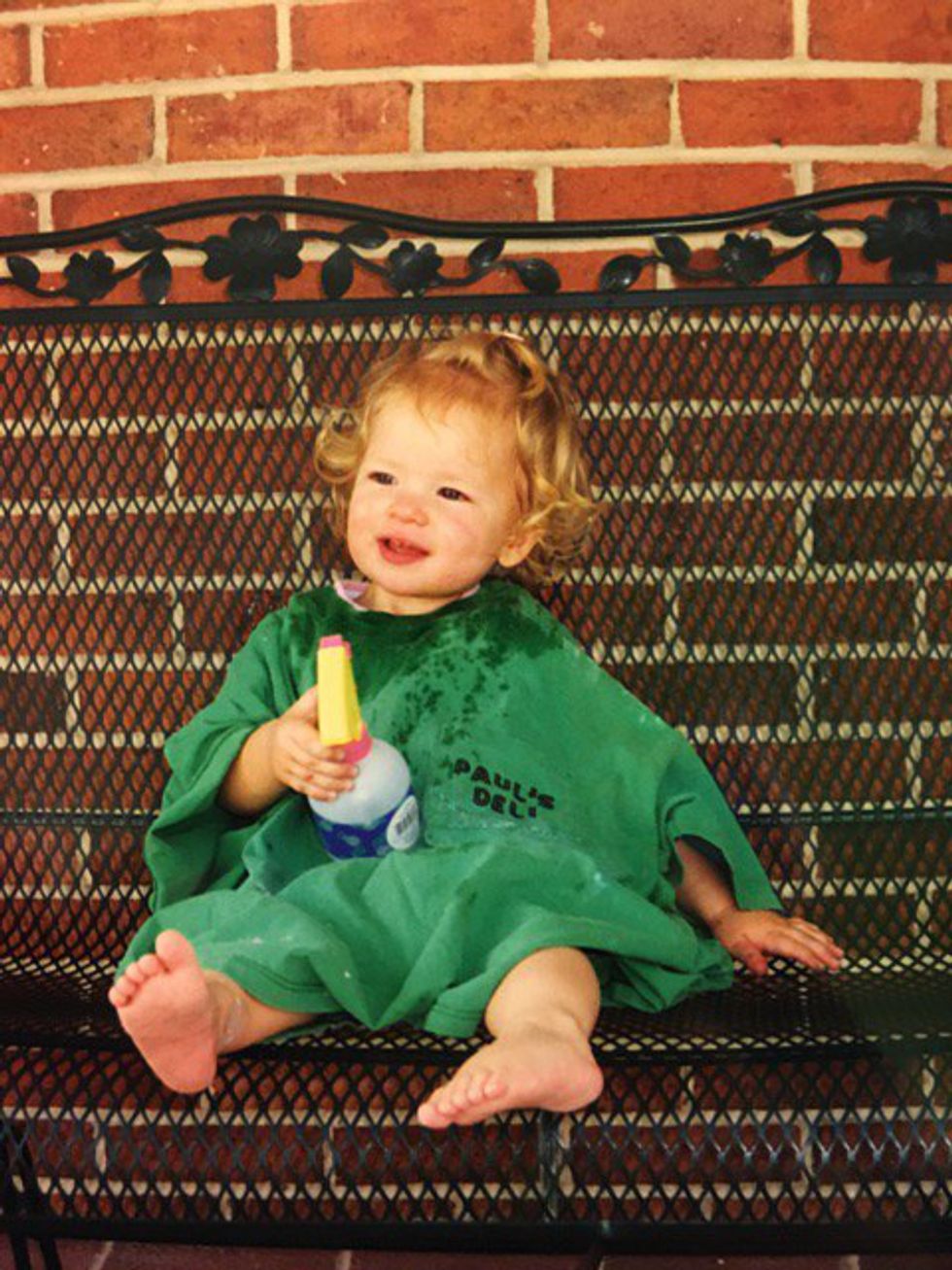 One week after the surgery
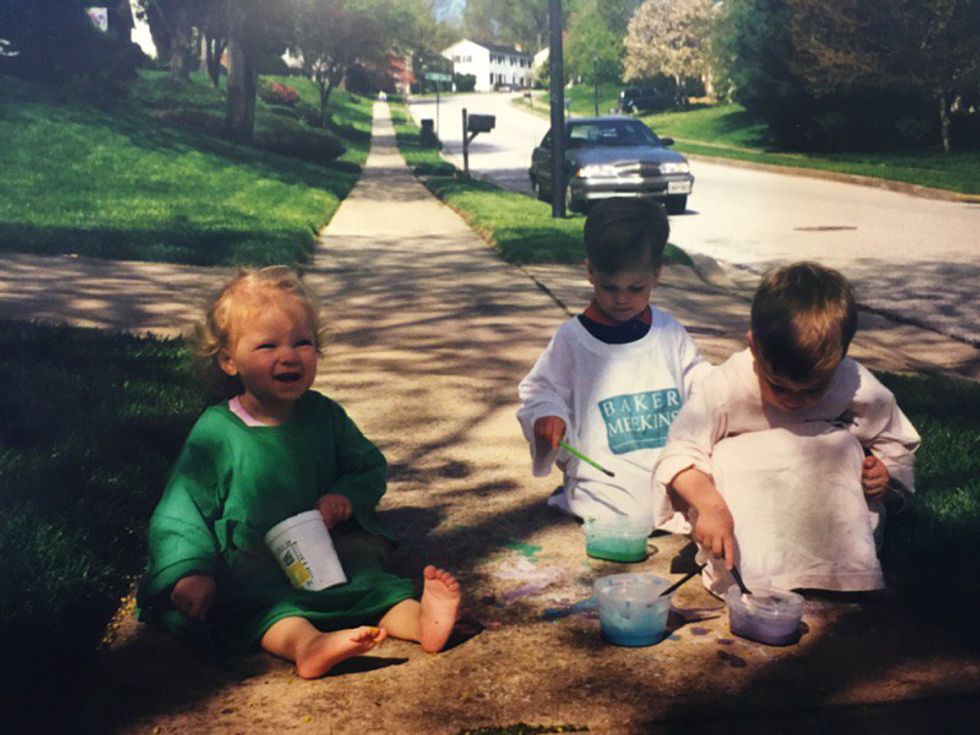 Painting on the sidewalk with my brother and cousin, one week after my surgery
And finally, to my own parents, doctors, nurses, and other loved ones, thank you. Though I may sometimes feel like I’m just taking the credit for a battle you won, I know that you did it so that I could sit here today and take the credit. You’re the real warriors and you’re my heroes. So thank you for fighting my fight for me. Thank you for reminding me to see this scar on my stomach as a battle scar, and not to feel the need to hide it from the world. I may have only been 18-months-old at the time, but now I’m 19-years-old, and I can’t thank you enough for providing me with those extra 18 years and counting, to live my life in whatever way I choose. Thank you for beating cancer with me.
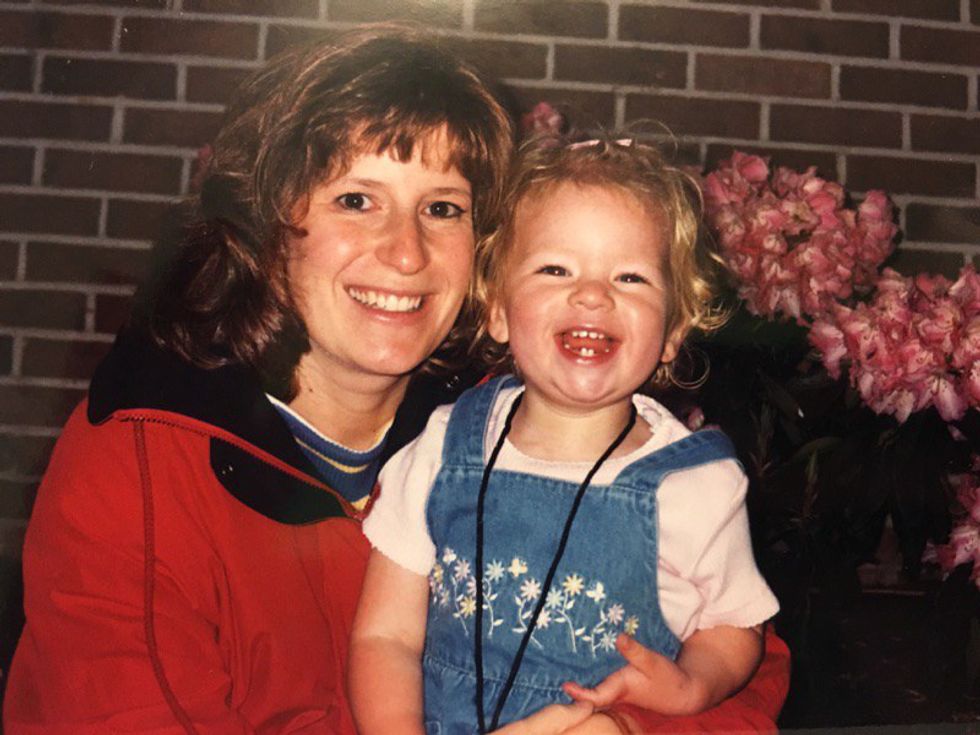 My mom and I, one month after my surgery