
We’ve all heard them a thousand times since starting college. Those ice breaker questions that you have been bombarded with so many times since orientation, which you have a perfectly rehearsed response to. Personally, I still love asking people why they chose their university and where they’re from and what their major is, and even the infamous follow up of “And what do you want to do with that?” I think it’s fascinating that no matter where we’ve come from or where we’re going, we’re all here now, sharing these four years of growth and change and learning together. And I love taking any chance I get to tell people the story of how I fell in love with my university, and why I chose my major, and I’m even fine with owning up to the fact that I’m really not sure what I want to do with it yet. But it’s the question that should probably be the easiest that is hardest for me to respond to.
“Where are you from?”
Like I said, I love asking people this question. Along with the others, I think it can say a lot about a person. But I have a difficult time answering it. Usually, I say something along the lines of “I live in a suburb of Dallas,” because, even though I’ve lived in the area for nearly five years, I can’t bring myself to say I’m from Texas.
Now, don’t get me wrong, the years I’ve spent in Texas have arguably been the best years of my life. I’ve met so many great people and had some incredible opportunities, and I know for a fact I would not be the person I am today had we not moved here. Not to mention that my life has been forever altered by queso and honey butter chicken biscuits. Nevertheless, I know a little piece of my Midwestern heart would break if I said I was from the South.
And most people aren’t looking for that much when they ask where I’m from; they’re probably just making polite conversation, or at most are curious about where I spend my holiday breaks. I would bet that most people I meet for the first time don’t really care to hear my long answer of “Well, I grew up in Illinois, but not Chicago; southern Illinois, so more like St. Louis, go Cardinals, but I moved to Texas during my freshman year of high school, so for most of high school I lived in Frisco, but my family moved to Plano last year, but I’ve only really lived there in the summer.”

So then, where is home?
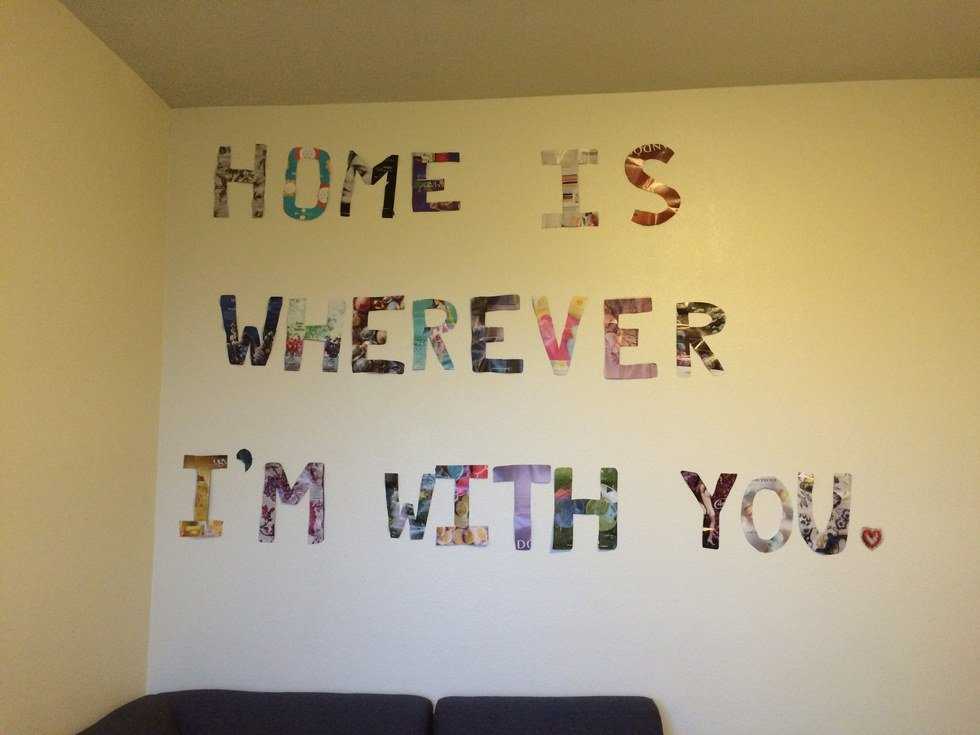
For the first 15 years of my life, this question was pretty easy to answer, because I had lived in the same town, the same house even, for my entire life. When we were packing up to move out of the only house I had ever lived in, I heard Miranda Lambert’s “The House That Built Me” for the first time, and it was one of the only times that a song has moved me to tears. But after having lived in five different places in the past five years, I’ve had to question what it truly means to be home. It’s more than a house, for sure. Now, I subscribe more the Edward Sharpe & The Magnetic Zeroes’ definition, that home is where the people I care most about are.
I’ve come to learn that home is a place that brings me comfort and peace. And sometimes, a home isn’t where you sleep at night. In high school, my school’s band hall and my church’s youth room were homes to me, not only because it felt like I spent more time there than I did in my own house, but because that’s where the people who meant most to me were, and where I took refuge from the struggles that high school threw my way.
Home can be the place where you at once lived. As Christmas approaches, I look forward to again seeing my family in the town in Illinois that most of us have at one time lived in, and hearing my aunts and uncles belt out Perry Como’s “There’s No Place Like Home For the Holidays."
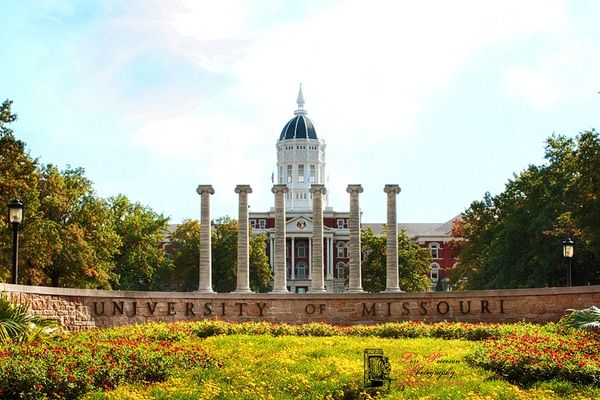
And after a few months at college, you gain a new home miles away from your family. I am so thankful that my college campus has become a home away from home. I have been blessed to have roommates who have transformed our tiny dorm rooms into a place where I feel at home because I am surrounded with acceptance, love, and support.
Someone once told me that parents get upset when their children start to call their college town “home.” So to parents, know that we learned what a home is from you. And although I’ve become very liberal with the term “home," it does not diminish the original meaning of where my family is. When I tell friends at school that I’m looking forward to going home, I don’t have to distinguish between my several different “homes;” they know what I mean. Out of the many places that I am blessed to call home, they are merely imitations of where I first learned what it means to be loved and what it means to be home.
I think the reason I don't like answering where I’m from is because there's a disconnect between where I am truly from, and where I call home. Where you're from is your starting place, your origin, and it will never change. But it is incomplete.
But the question of “home” tells a story. A story that starts where you were born, where you’re from, and travels around to everywhere you’ve lived and anywhere that has touched your life in some way, up until the place (or places) that you call now call home. It’s likely that where you call home will change again. But I like to think that you keep a part of each place you’ve ever called home with you always, and that home then truly is where the heart is. And like our girl Dorothy says, there's no place like it.