
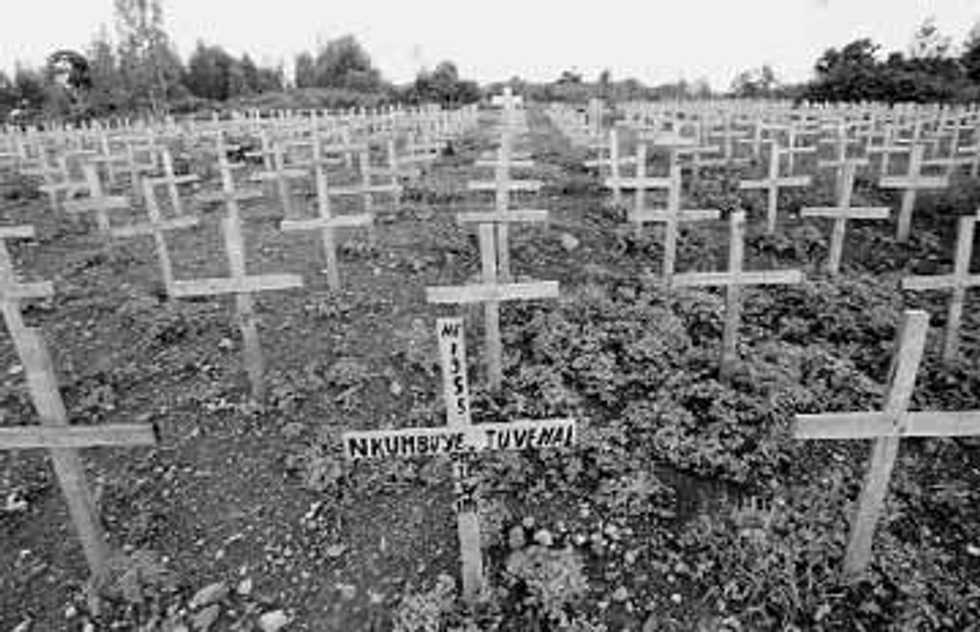
The month of April is not really known for much other than the fact that sometimes Easter falls within it. Other than that, the only other thing even remotely thought of is that ancient children's rhyme: "April showers bring May flowers." In the historians' eyes, this rhyme is quite fitting considering the multitude of dark events that have happened in the month of April. To connect with the children's rhyme, the saying "When it rains, it pours" also suits April due to it being the month that is most prone to tragedies, particularly those tragedies occurring within the United States. Here are some of the specific tragic events of history that occurred throughout the month of April.
April 1, 1865
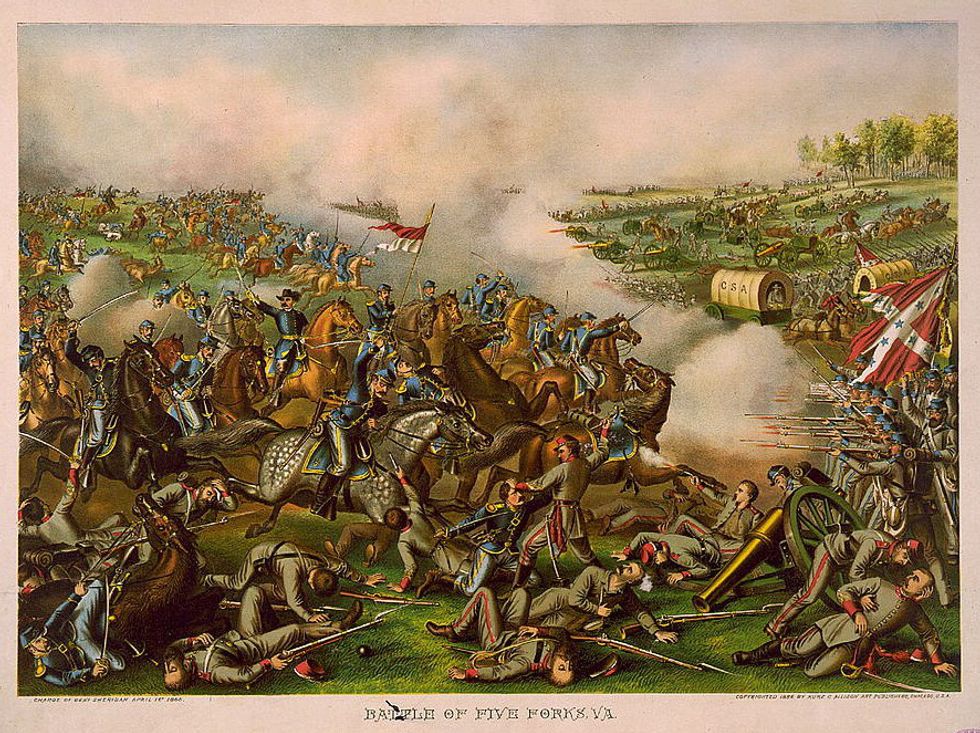
It was on this date that the Battle of Five Forks, also known as the Waterloo of the Confederacy, took place in Virginia. Here, approximately 3,000 Confederate troops were slaughtered via the Union.
April 2, 1982
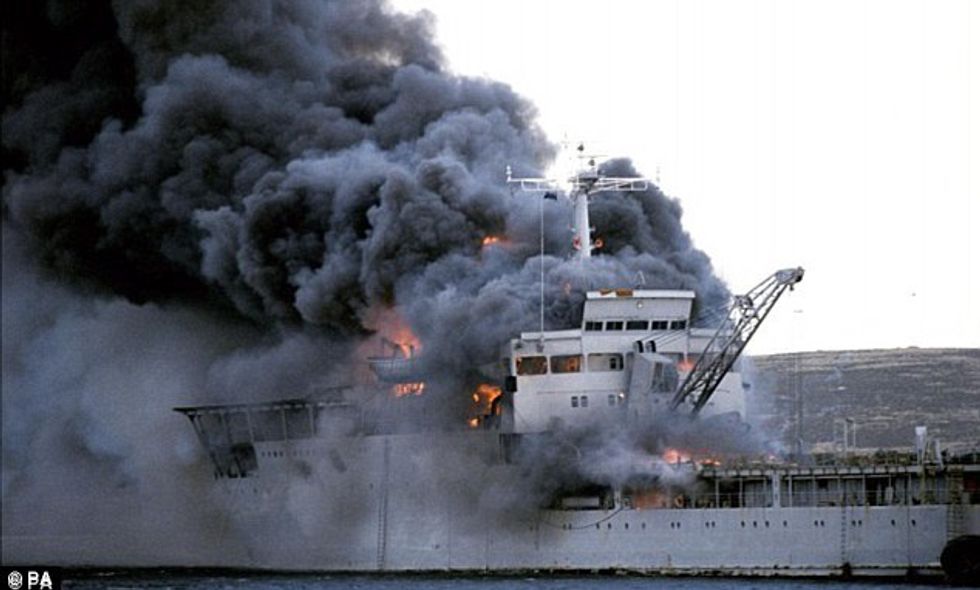
On this date, the Falkland Islands War began as Argentinian troops stormed into British territory. Needless to say, the British retaliated, thus causing Argentina to be defeated, losing over 1,000 of their troops in two months.
April 7, 1994
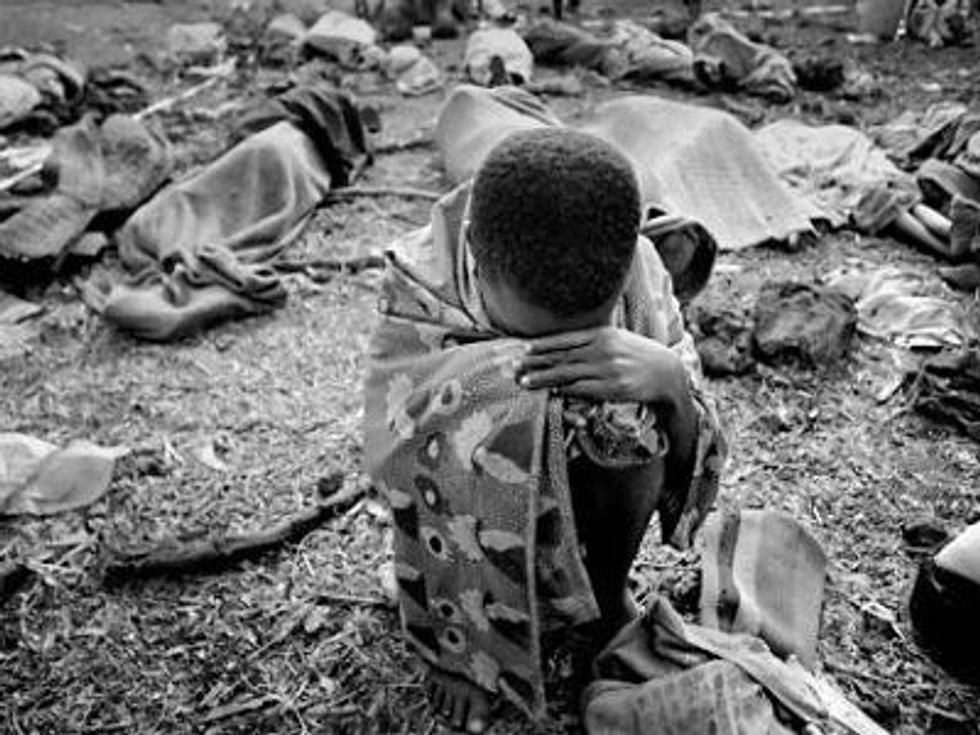
This April marks the 22nd anniversary of the Rwandan genocide when, after their president was murdered, all hell broke loose in Rwanda thus implementing the slaughter of the Tutsi tribe. Over the course of three months, over 800,000 Tutsi men, women and children were murdered, primarily due to blows to the head via hatchets. Schools were ransacked, churches were no longer scared grounds and people were ripped from their homes. Everywhere that should have felt like a "safe place" was anything but. The saddest part? The world knew exactly what was going on, but no one would even consider the massacre to be a "genocide" and therefore no help was sent for these people. It wasn't until the killing was over until people began to get involved, when Clinton decided to finally set foot on Rwandan soil and express his regrets.
April 9-10, 1942
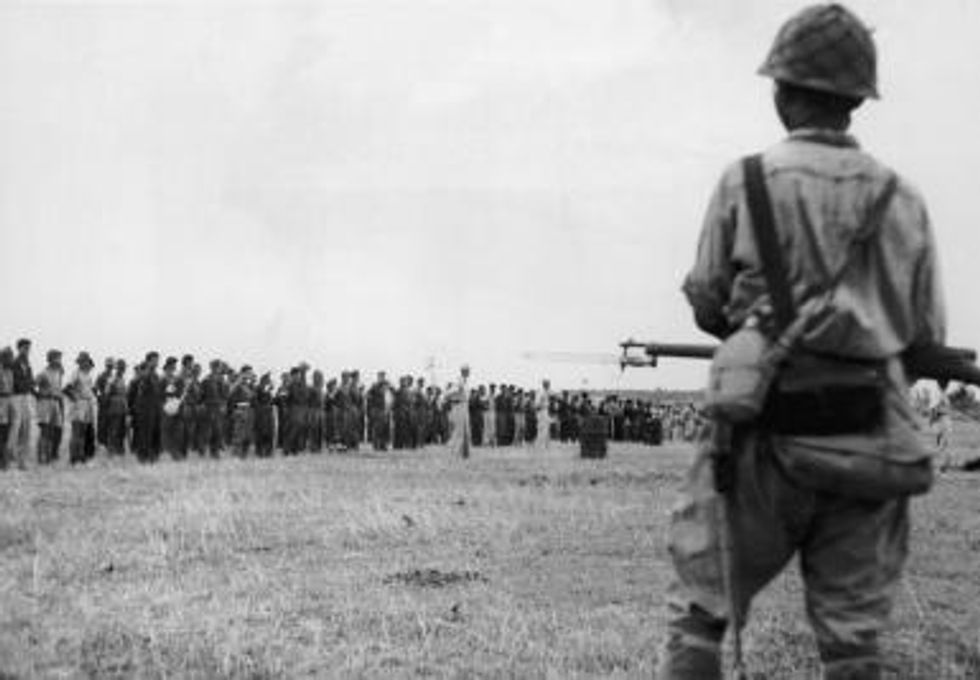
Sometime during the days of April 9 and 10 (sources vary between these two dates), the Bataan Death March began. Over 75,000 Filipino and American prisoners of war were forced by the Japanese to march for six days in Bataan to reach their prison camps. This march was over 65 miles of walking in the immense heat. The POWs were not allowed the luxury of having food or water, resulting in between 5,000 and 10,000 deaths before reaching the prison camps. These deaths were not only from a lack of nutrients and hydration, but also due to Japanese soldiers killing anyone who fell out of line or behind.
April 15, 1865
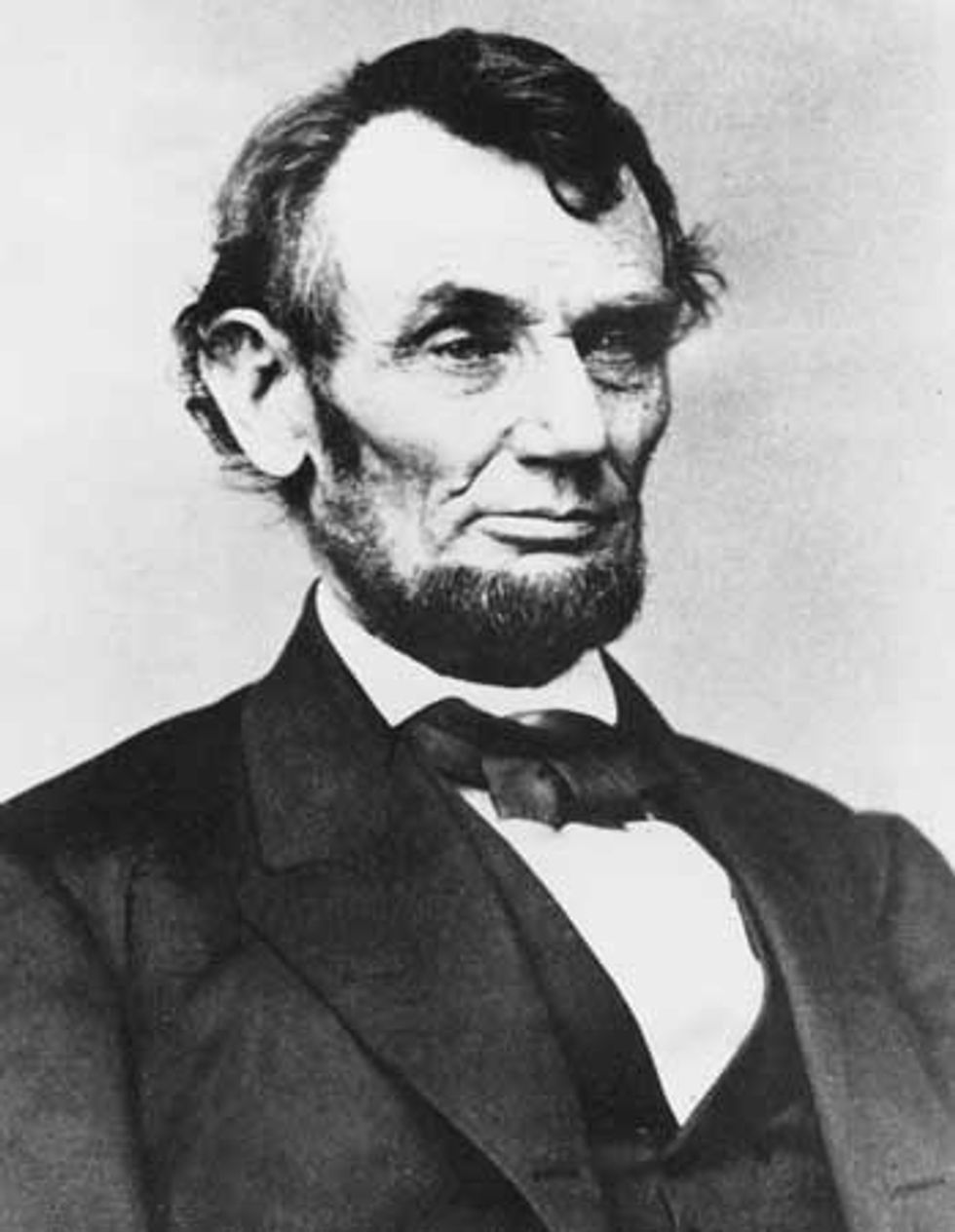
April 15, 1865 marks a tragic day in U.S. history: the death date of President Abraham Lincoln. While trying to enjoy a play at Ford's Theater, President Lincoln was assassinated via a gunshot wound to the head by the infamous John Wilkes Booth.
April 15, 1912
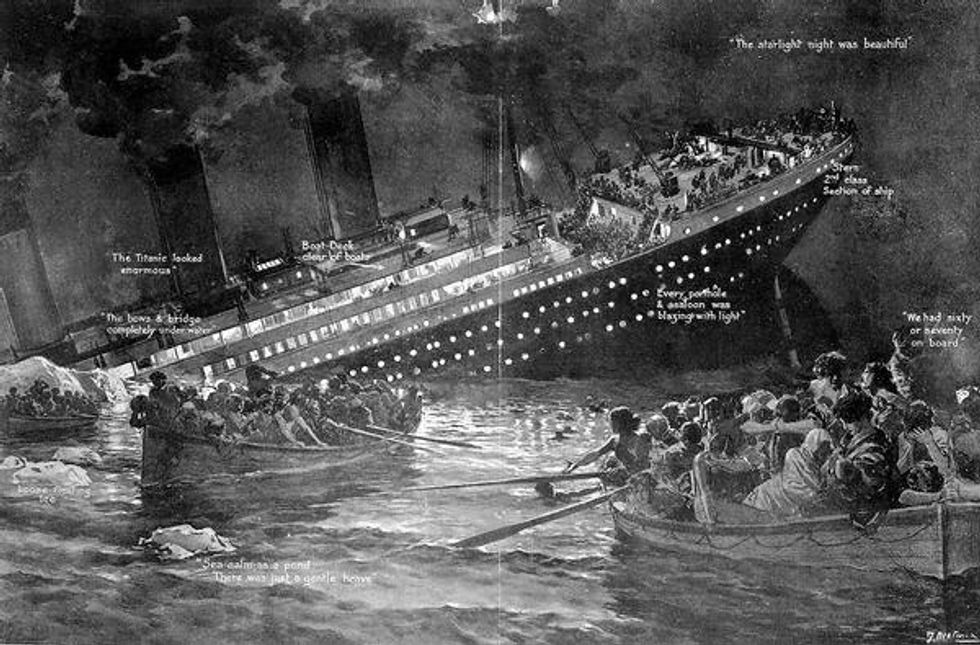
On this historically tragic date, the supposedly "indestructible" RMS Titanic, a British passenger liner and largest ship of its time, collided with an iceberg while in Atlantic waters. Resulting in over 1500 deaths of both crew members and passengers (well over half all aboard the ship), this became known as the deadliest commercial disasters in modern history.
April 15, 1927
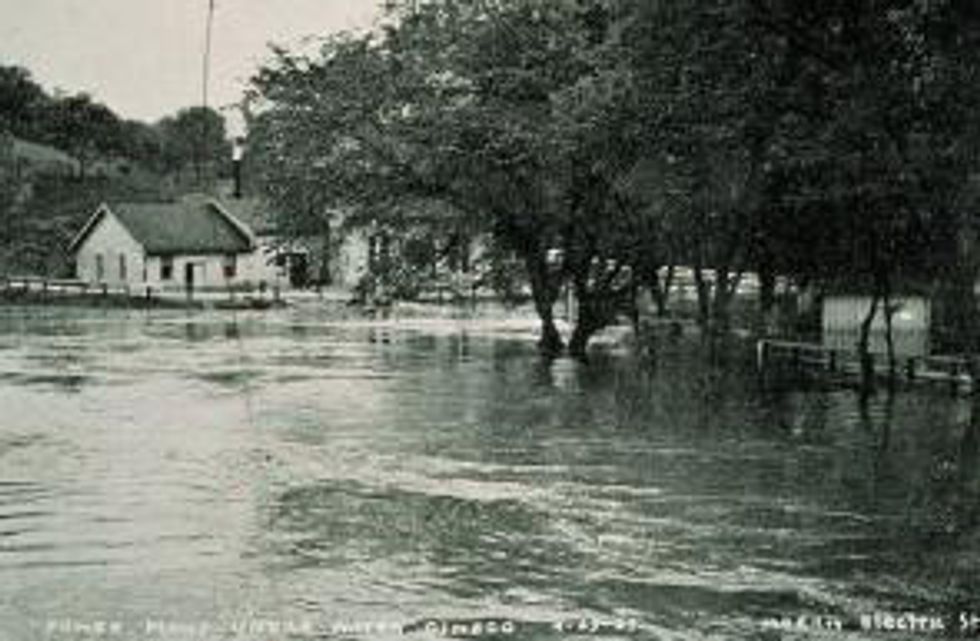
This date marks the worst flooding in United States history: the Great Mississippi Flood of 1927. Waters spanned for 27,000 square miles and got up to 30 feet high. Nearly 700,000 people living in Arkansas, Mississippi and Louisiana near the Mississippi Delta were affected, causing a huge population move. The river flood didn't just stay contained in those three states, though. It also affected Kentucky, Missouri, Tennessee, Illinois, Oklahoma and Texas. This caused over $400 million in flood damage and killed nearly 300 people. The waters didn't subside until August of that same year, leaving hundreds of thousands of survivors homeless.
April 15, 2013

Three years ago, two bombs were detonated near the finish line during the 117th annual Boston Marathon. This detonation resulted in the deaths of three spectators and over 260 more people were injured. A manhunt lasted for four days before one of the suspects was captured and detained. After interrogation, it was confirmed that this bombing was, indeed, an act of terrorism that would've progressed had the suspects not been captured.
April 16, 2007
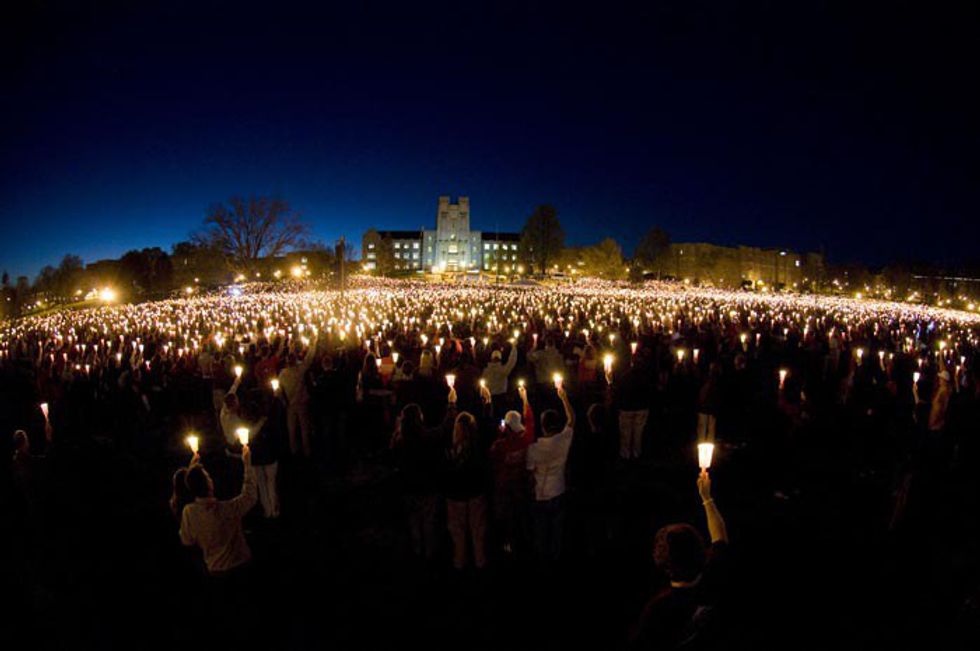
April 16, 2007 marks one of the worst university shootings and one of the most devastating mass murders in America: the Virginia Tech massacre. Seung-Hui Cho, a student armed with a nine millimeter and a 22 caliber handgun, shot 49 students and faculty members, killing 32. Ten minutes after the shooting commenced, Cho committed suicide. Two days later, the media of NBC News received a package from Cho that was postmarked on the day of the shooting. Inside the package were photos of him posing with his handguns along with a video rant recorded prior to his actions. This was soon known also as the deadliest single-gunman incident worldwide.
April 18, 1906
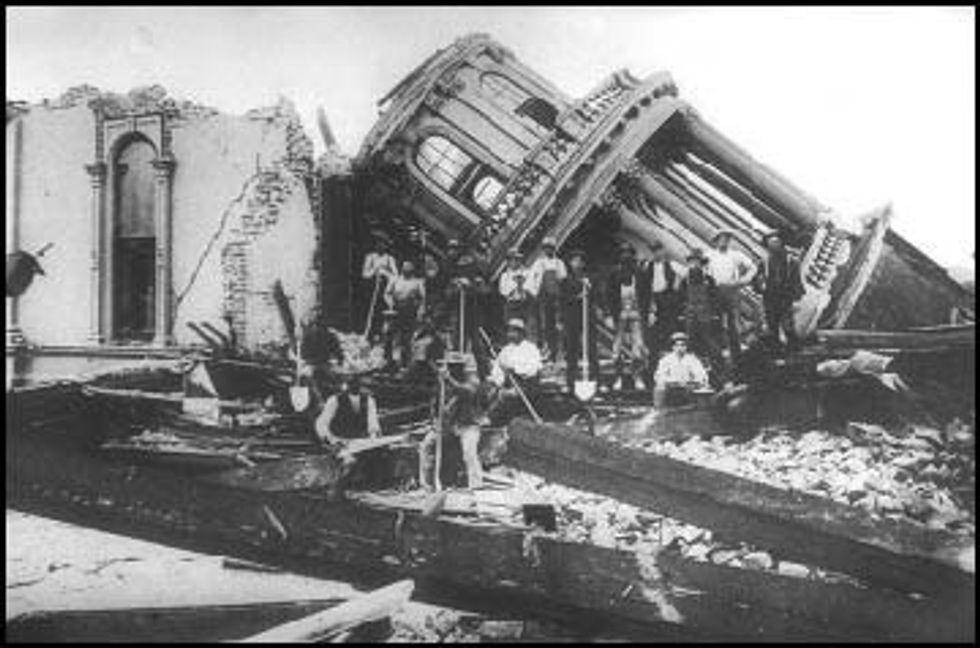
On April 18, with a magnitude of 7.8 on the Richter scale, San Francisco, California was hit with what is remembered as the worst and deadliest natural disaster to hit the United States. Even today, it is still regarded as the largest disaster death toll count in Californian history. In this event, 80 percent of San Francisco was destroyed due to the shocks as well as the fires that began in the aftermath; over 3,000 people were killed, though this is just an estimate as no one truly knows just how many people perished in this catastrophe.
April 19, 1995
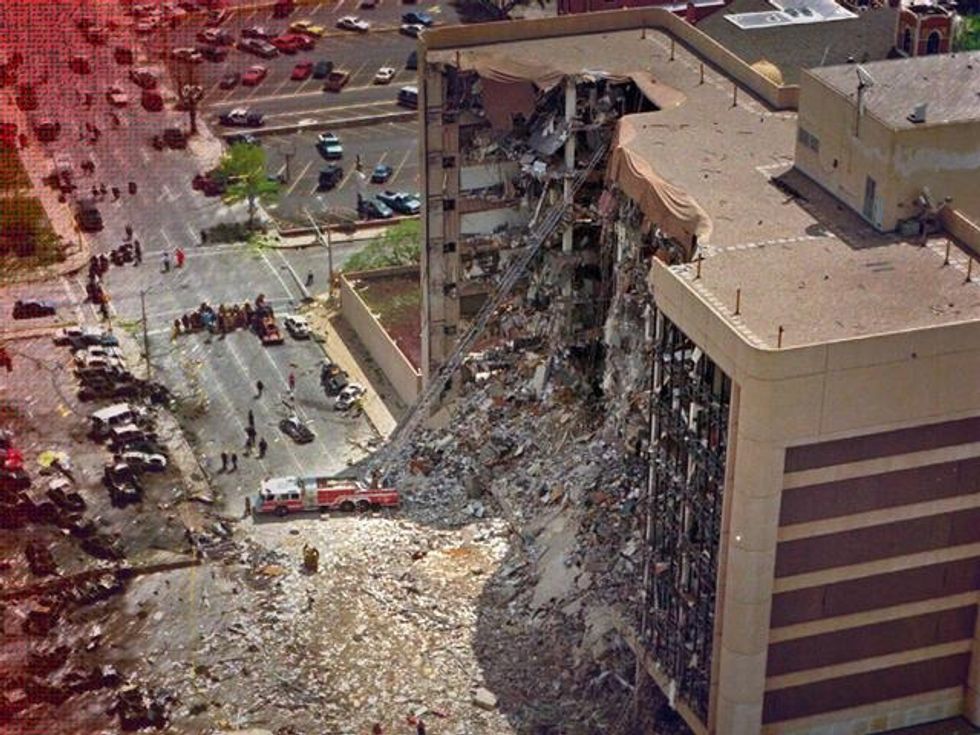
Twenty-one years ago on April 19, the deadliest domestic terrorism act in US history took place: the Oklahoma City bombing. The denotation occurred within the Alfred P. Murrah Federal building in downtown Oklahoma City. It resulted in destroying one-third of the federal building and a death toll of 168 with over 700 injuries. Over 300 buildings within a 16-block radius of the Alfred P. Murrah Federal building were damaged/destroyed, and windows shattered in over 200 buildings across the city due to the explosion. The two responsible for this act of terrorism were executed. The Oklahoma City bombing led to Congress passing of the Anti-terrorism and Effective Death Penalty Act of 1996.
April 20, 1889

April 20, 1889 signifies the birth of the one who will become the leader of the Nazi party of Germany and, in turn, slaughter over six million Jews during what would be known as the Holocaust. On that date in time, Adolf Hitler was brought into this world and a monster was created.
April 20, 1999

This date marks the deadliest high school shooting in U.S. history: the Columbine High School shooting. Due to a life of falling victim to bullying and depression as well as to compete with the Oklahoma City bombing (and other motives unknown), students Dylan Klebold and Eric Harris formulated the plot to bomb and shoot up their high school. They placed two bombs concealed within duffel bags in the cafeteria during what they calculated to be the busiest time of day. When the bombs did not detonate as planned, they commenced their plot with sawed-off shotguns and a nine-millimeter handgun, as well as various homemade explosives. In turn, they killed 12 students, one teacher, and themselves. They directly injured 21 others and three more students were injured while attempting an escape, one of whom fell out of a window.
April 20-21, 2010
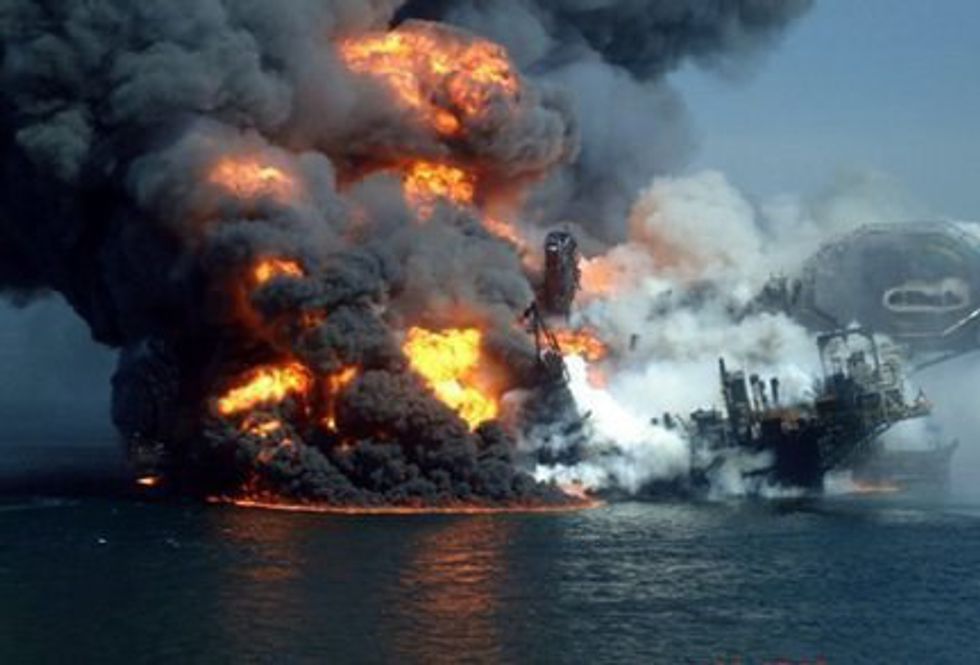
To close, six years ago in the Gulf of Mexico occurred the largest accidental marine oil spill in the industry. This is known by several names including: the Deepwater Horizon oil spill, BP oil spill, Macondo blowout and Gulf of Mexico oil spill. In the course of this event, the Deepwater Horizon—due to a natural gas leak—went up in flames via a terrible explosion, spilling approximately 4.9 billion barrels of oil into the sea. This explosion resulted in the death of 11 crew members and injuring 17 more. It also racked up the death toll of many marine animals as well as causing deformities in various species. On April 22, the ship subsequently sank. After BP's trial, they were found guilty of 11 counts of manslaughter, negligence, reckless conduct, two misdemeanors and a felony due to lying about the incident. This resulted in the company shelling out over $18 billion in fines, which is the largest corporate settlement ever in U.S. history.
In April, when it showers, it floods...literally. Many more tragedies have occurred during this month in both U.S. and international history, but these instances are the more well-known cases. But why April? What's so special about this month? Even poet T.S. Eliot writes that "April is the cruelest month." As far as theories go, there will always be conspiracy theories, and people who want to try to find even the slightest connection between all of these events. But, in actuality, while some were planned for April dates for whatever reason (such as the Oklahoma City bombing which was a response on the anniversary of the incident in Waco), a majority of them were spur of the moment and even accidental (in the case of BP's oil spill). April is just a coincidental month for tragedy.