
In the last year, college campuses across the country addressed the issue of sexual violence. The media attention given to this issue has heightened awareness and given victims, administrators, government officials, parents, volunteers, and supporters a vehicle to speak out on their own experiences and their hopes for the future.
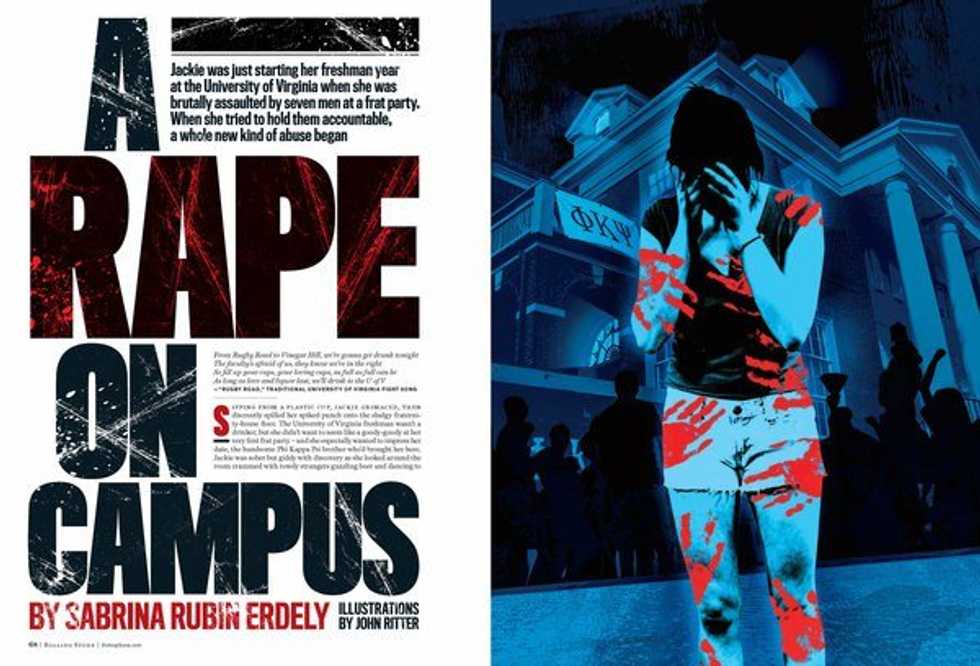
It began with a story, published in December 2014 by Rolling Stone, entitled, "A Rape on Campus," in which a young female named "Jackie" exposed her story of a gang rape - at a fraternity - on the University of Virginia's campus. Through this story, the country finally got a glimpse of what can occur on college campuses. And to the contrary, several people began to blame Greek life for the instances of sexual assault that occur.
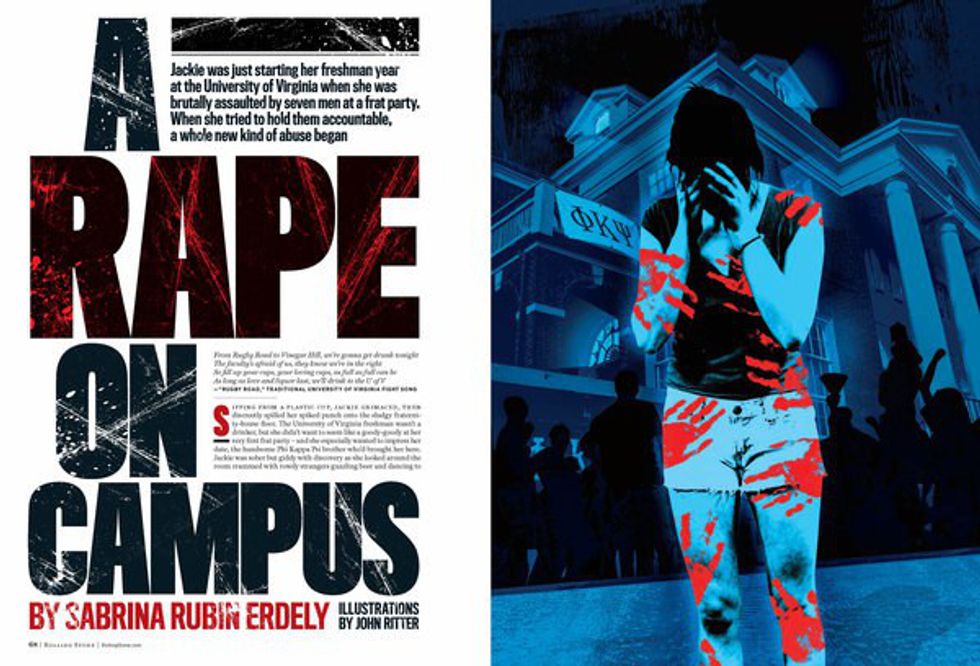
About a month after the essay was published, The Washington Post began to find holes in the story. Police officers and school administrators were also able to find false accusations within the story. After Columbia University's journalism department did a third-party final review, in which they found mistakes in reporting, fact-checking, and everywhere in-between, Rolling Stone retracted the story in April 2015.
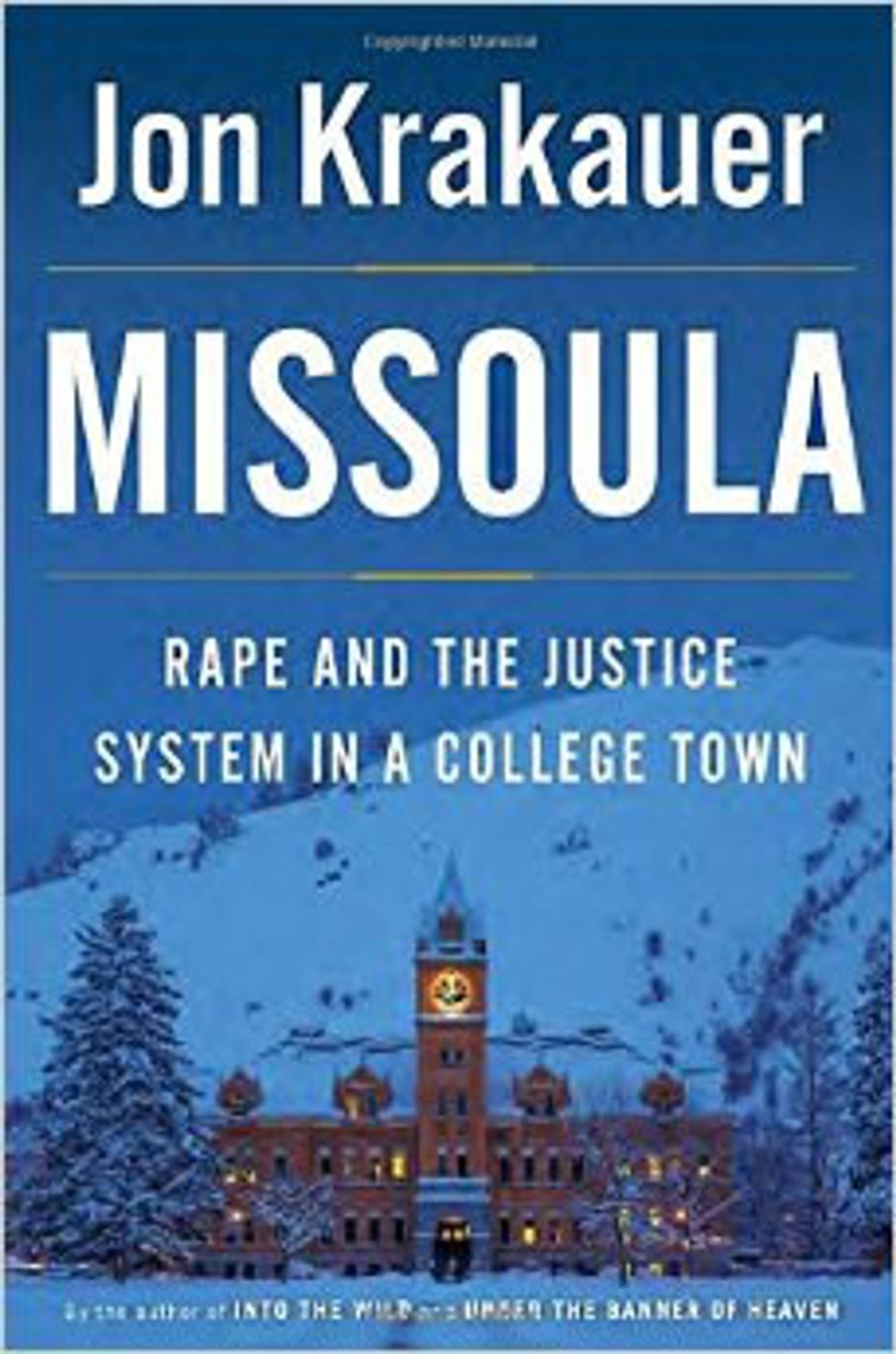
April was a huge month for sexual assault awareness. Not only is April officially Sexual Assault Awareness Month, but Jon Krakauer's "Missoula" was also released. The novel is a haunting tale of a series of sexual assaults and rapes that occurred on the University of Montana's campus from 2008 to 2012, which eventually led to a year-long investigation by the United States Department of Justice.
The book chronicles several students' stories about their own personal experience with sexual violence and how the involvement, or lack thereof, of campus administration influenced the outcome of their assaults ... or to put it in simpler terms: whether their assailant was brought to justice. And much like UVA, many of the accounts in the book highlight fraternity members and star athletes as the ones to blame.
Of course, there have been several other instances of sexual assault displayed in the media and brought to the attention of our nation (i.e. Bill Cosby, NFL, etc.) So exactly what did we learn this year regarding sexual assault on college campuses? For one, we learned a great deal about victim blaming, and how it needs to end. And additionally, we learned placing blame upon a man or woman within the Greek system isn't the answer, either.
The fact of the matter is, yes, fraternity life can be an avenue for sexual assault to occur. When you combine young college kids, copious amounts of booze, minimal security, and the threat bestowed upon a young man that his manhood may be compromised based on the amount of women he brings home, something is bound to go wrong. But just because a young man has joined a brotherhood, in which philanthropy and academics are, in fact, capitalized on, does not mean he is inclined to rape.
It should also be noted that young women, or any victims for that matter, aren't the ones to blame, either. The constant battle of he said, she said is all too real for victims of sexual assault. From fears about reputation, to whom to tell first, to the next steps in the recovery process, victims of sexual assault are left helpless and alone entirely too many times. According to the National Sexual Resource Center, it's estimated that only 2-8% of sexual assaults are falsely reported - far fewer than what people may think.
As a victim of sexual assault, I know these fears. I know the struggle of not knowing whom to turn to first, and I know that our college administrations need to re-vamp their policies on sexual assault - and they need to do it now.
Granted, there are some universities across the U.S. finally tackling this issue, paving the way for other institutions of higher education. The University of Iowa, for example, established their "Six Point Plan" to combat sexual assault. The program was created last year by former U of I President Sally Mason with the goal of cracking down on offenders, providing more resources for victims, and improving education about sexual assault across campus. Schools like San Jose State University, Boston College, George Mason, and Indiana University of Pennsylvania are taking part in RAINN Day, an event organized by the Rape, Abuse & Incest National Network every year in September.
In September 2014, the White House launched their "It's On Us" initiative to combat sexual assault across the country, with their main focus being bystander intervention and education.
If every university across the country made combating sexual assault one of their main focuses, we could make serious progress in ending this lingering problem.

While combating sexual assault is the goal, we also have another issue under our noses: blaming - from victims, to assailants, to the Greek community, to administrators, to law enforcement officials. If we all took a stand against sexual assault and assisted one another in making our college campuses safer, serious progress could be made ... progress we can be proud of.