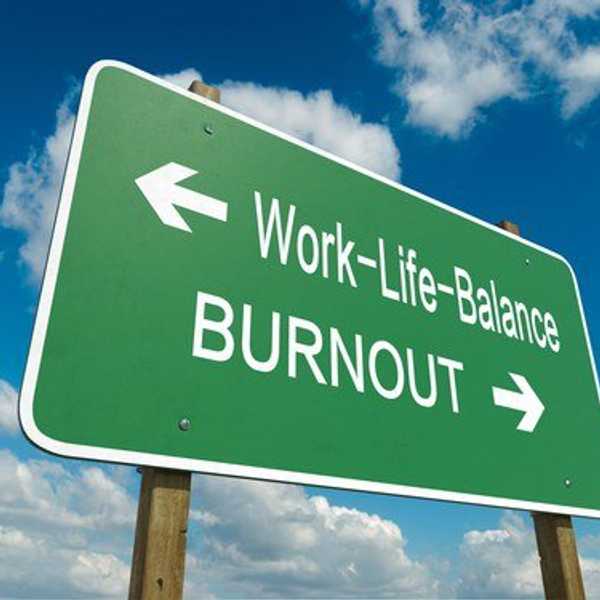

While getting an education is a blessing that we should be grateful for, the stress can accumulate into overwhelming burnouts along the uphill struggle toward success. Many students, especially in high school and college, prioritize good grades and preparedness over their own health. In fact, it has become rare and even foolish to not fall into the rhythm of unhealthy study habits—that any kind of healthy way of studying is impossible. We as a community have come to some sort of undeniable consensus that to risk suffering the apparent detrimental physiological and mental effects of lack of sleep, neglected diets and self-deprecating humor is a noble cause, one that we even find the compulsion to brag about in our own misery. However, even if you’ve been caught up in these habits for years, you can certainly break free— if you choose to proactively pursue a healthy lifestyle!
Here are some toxic patterns that many stressed students (including myself!) fall victim to for the sake of the school.
1. Destructive sleeping patterns
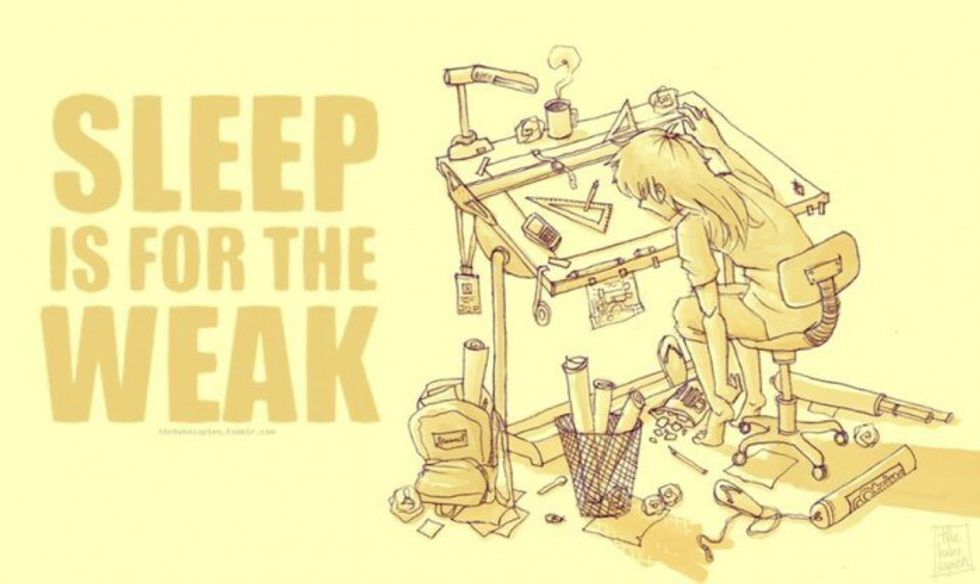
If you’re the kind of person who has to lie to their doctor about sleeping five hours a night when you really more prone to sleep for only four or even two hours, you’re probably thinking, “well, if I want to get an A+ on all three tests tomorrow, it’s absolutely necessary. You don’t understand, I’m seriously devoted to my studies; sleep is for the weak.” Sleep certainly isn’t for the weak. You’ve heard it as the number one testing tip from every blog post out there: sleeping the recommended eight hours a night is proven to improve cognitive function, memory and concentration needed to ace a test and focus on class lectures. It’s also obvious that getting a good night’s rest mitigates the physiological effects of stress and mild anxiety, such as jittering and twitching as well as irritation.
You may lack sleep at night because of an accompanying lack of structure in your sleeping schedule. Many students have polyphasic sleeping patterns: simply said, it feels easiest to crash for a few hours right when you get home from a long, deadly tiring day at school, wake up for dinner and pull an all-nighter to get all the work done. Notice how you were so tired from school that you had to take a nap in the afternoon, then barely sleep at night, only to be sleep-deprived the next morning. It’s a vicious cycle that can only be broken with a strong conviction!
2. Neglected diet (alternate title: coffee is not dinner)

I've heard too many of my friends tell me that they've skipped a dinner so they can power through the assigned chapters all at once. Instead, we replace a fulfilling meal with fast-food or fattening snacks that may be tasty and easy to shove into our mouths with an unoccupied hand, but lack the sufficient nutrients to foster our growth and development. And of course, the typical sleep-deprived all-nighter is fueled by a dangerous predator to adolescent health: a nearly overflowing mug of coffee spilling over in regret. Anyone who downs a large cup of joe at midnight definitely feels the effects the next morning, and even during the test for which they were studying for. The stress feels like it's eating at my resolve to the point where I feel nauseous, and my hands shake nervously as I try to grip the pencil steadily. Instead of coffee, keep a reusable water bottle on your desk at all times. Water helps to clear up headaches and even improve mental performance. Replace your flamin' hot Cheetos for some fresh fruit or unsalted nuts for a healthy snack! And there certainly is no victory is starving a night for what—perhaps one extra hour of studying?
3. Taking weekends for granted

For most, the weekend or a vacation from school is a departure from the never-ending flow of work during the week—any work that need be done is usually pushed back for Sunday night. Just like we instantly nap as soon as we get back from a tiring day at school, it's easy to burn out during the week and crash on Friday night to compensate for the lack of rest. This can be devastating: we've all seen (or sent) the Snapchat stories of us waking up at 4:30 PM, staying sedentary for such a prolonged time at which point we're overwhelmed with heavy fatigue, killing any drive to get work done early. Instead, we continue to stressfully procrastinate throughout the night. We see the weekend as a time to shut down and recharge, when really, it's just a time to relax, not hibernate. It's actually very effective to wake up at the same time as you do on weekdays: the consistent sleeping schedule and sunlight spilling through the window helps energize you, so it's much more likely that you'll be motivated to get most of your work done earlier and faster than you would if you were overcome with lethargy Thus, you have the rest of the day (or even the whole weekend) to unwind without any stress over the homework you already got done!
Next week: tips on how to avoid distractions while studying, add structure into your schedule and (most importantly) to stop perpetuating unhealthy studying habits!