Tennis fans have been fortunate to witness the level of the game rise to unprecedented heights within the last decade, with history being made and records being broken every year. I have compiled a list of the eight greatest men’s matches to have been played between 2006-2016. I consider these matches to be the greatest because in each of them there was an exceptionally high level of tennis, they are all in some way historically relevant to the sport of tennis, and they were all extremely entertaining and dramatic. This is part two of my list; to see part one, click here. I will reveal what I believe to be the greatest tennis match of all time in a separate article following this one.
4. Novak Djokovic vs Roger Federer (6-7, 4-6, 6-3, 6-2, 7-5), US Open 2011, Semifinal
One of the most dramatic matches of all time, no questions asked. Swiss player Roger Federer, then ranked number three in the world, had not won a Grand Slam since the 2010 Australian Open and, for the first time since 2002, was facing the possibility of not winning a Grand Slam at all within a calendar year. Federer’s opponent was recently-crowned world number one Novak Djokovic from Serbia, who exactly a year before had beaten Federer in the US Open semifinals after saving four match points. Djokovic was also enjoying one of the greatest years in the history in tennis, starting the year off with a famous 42 match win streak and collecting his first Wimbledon trophy.
Federer started the semifinal off well by winning the first two sets; until just a couple of months prior at Wimbledon Federer had never lost a best of five set match in his career after winning the first two sets, and this major lead in the match was an auspicious sign for the Swiss.
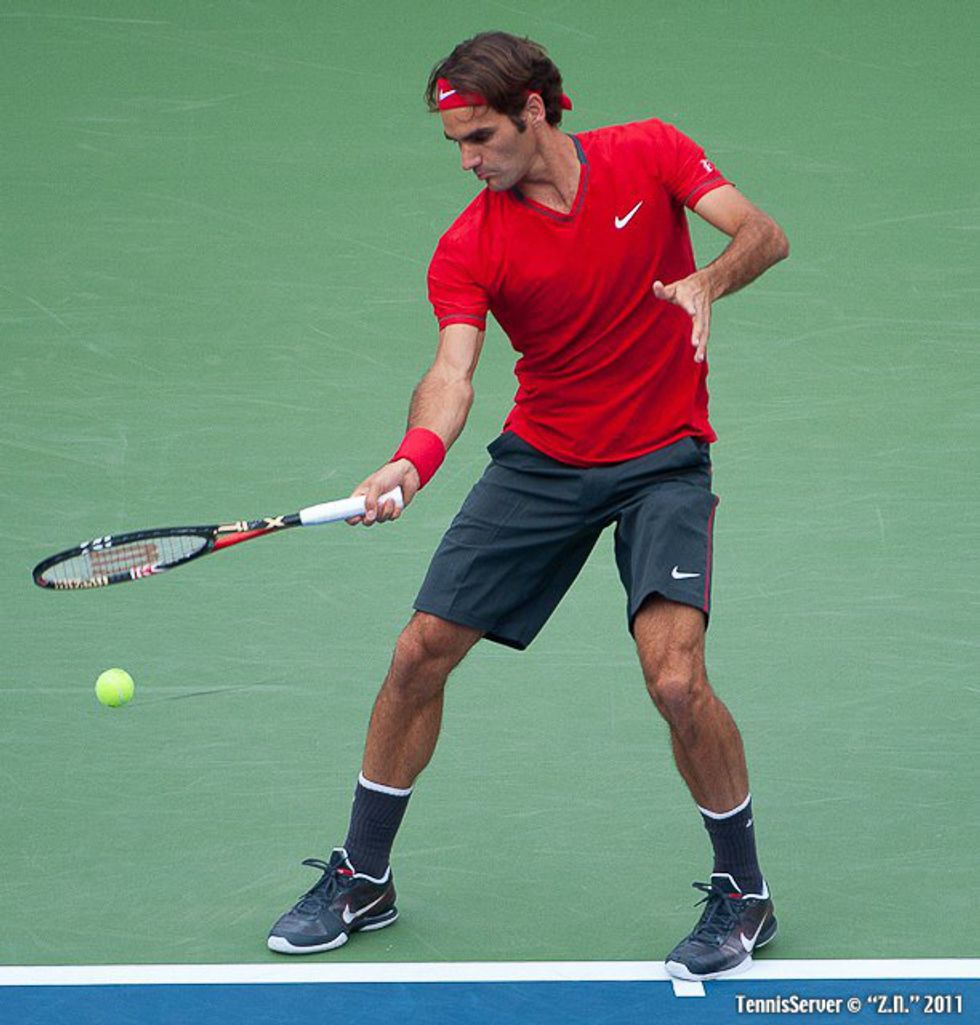
And then, almost impossibly, Djokovic managed to swing the momentum in his favor and won the next two sets. The fifth set was tight as the score rose to 4-4. Federer, clearly rattled by the turn of events, appeared to have difficulty coming to grips with the fact that the exact same match they had played last year was happening again, and he had been the loser in that match. However, Federer managed to piece together the next several points, and suddenly he was serving up 5-4, with two match points. The crowd, clearly hoping Federer would win and face Rafael Nadal in the final for the first time at the US Open, was going nuts; Federer was getting revenge over Djokovic from last year, and the final match they were all hoping for appeared to be just around the corner.
What happened next makes this match one of the greatest matches of all time and solidified Djokovic as the comeback king in the sport of tennis: Federer served out wide to Djokovic’s forehand, and Djokovic ripped the ball crosscourt has hard as he could for a clean winner. 40-30. Play on. After a few more nervous errors from Federer and a double fault, Djokovic broke back. He then won the next two games to win the match, and he would go on to win the tournament as well.
This match is a paragon of the harsh reality that a match is never over until the last point has been played, and that a single swing of momentum from one player to the other can make all the difference between a win and a loss.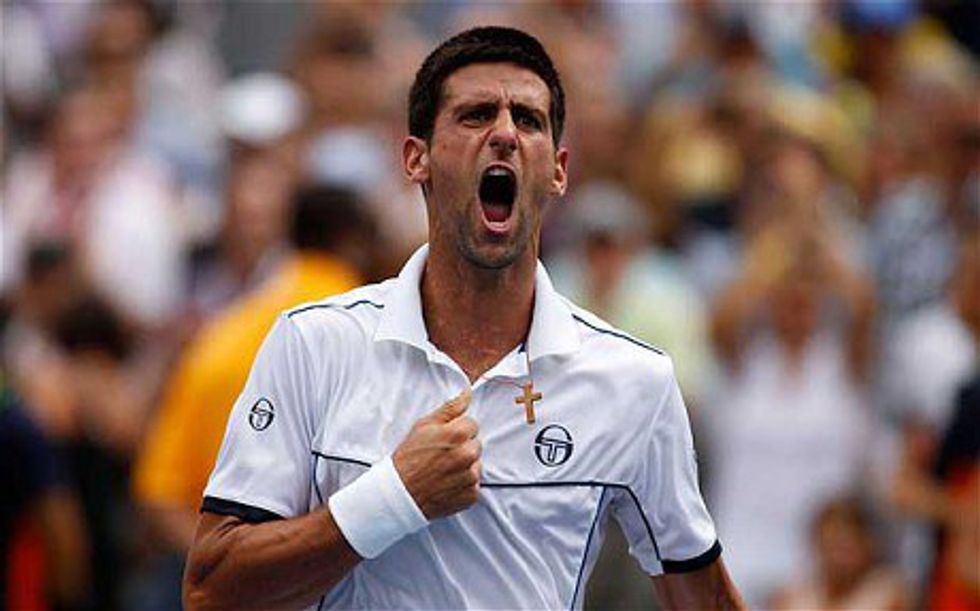
3. Roger Federer vs Andy Roddick (5-7, 7-6, 7-6, 3-6, 16-14), Wimbledon 2009, Final
Could American Andy Roddick finally win his first Wimbledon title? This was his third appearance in the final of the tournament, and up until then he had played a brilliant tournament by beating Leyton Hewitt and Andy Murray in the quarterfinals and the semifinals, respectively. But the man he was facing on the other side of the net, Roger Federer, was the last man Roddick wanted had hoped to see: Federer had beaten Roddick in all of Roddick’s previous Wimbledon final appearances. Federer was also looking to win his 15th Grand Slam, which would break Pete Sampras’ legendary record of 14. In short, the stakes for both men were extremely high.
It was Roddick who struck first blood by breaking and taking the first set 7-5. Both players were playing well, but Roddick was hitting shots that every tennis player dreams of hitting, leaving Federer caught off guard. The second set went to a tiebreaker, and Roddick pushed ahead to a 6-2 lead - quadruple set point. Federer, however, clawed his way back into the tiebreaker point by point and won the next six points in a row to win the set 7-6(6). Roddick miraculously appeared unbothered as he pushed the next set into another tiebreaker, but Federer won that one more easily and took a 2-1 set lead against Roddick.
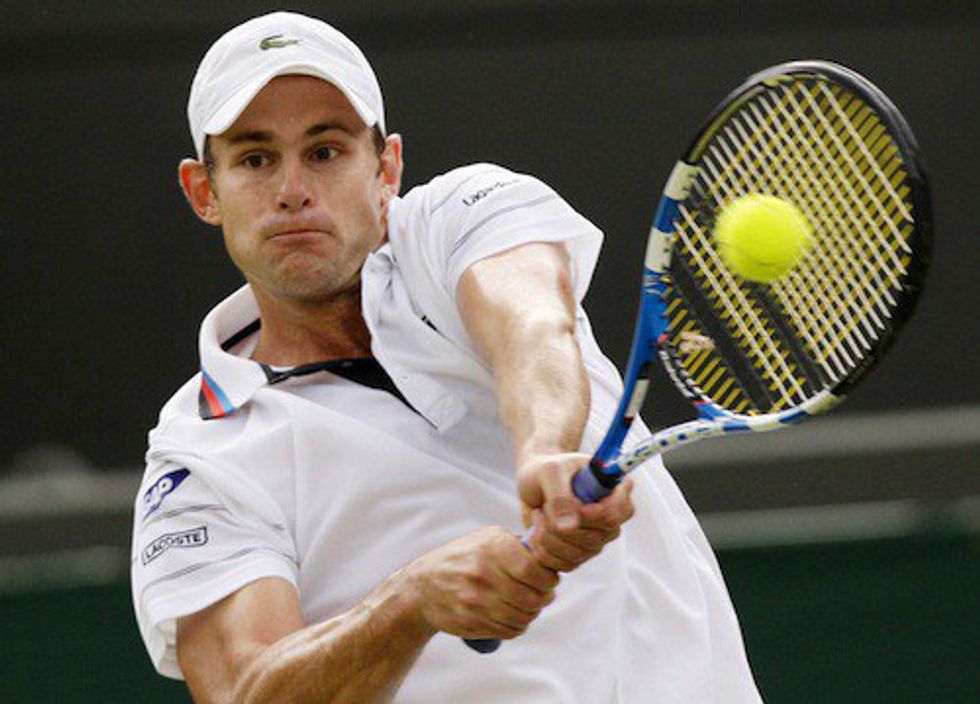
Losing an extremely close set is devastating mentally to a player, and most players are unable to rebound from it; losing two is practically the nail in the coffin. Roddick, however, stunned everyone, including Federer, by playing some of his best tennis he had played that day in the fourth set, winning it 6-3 after one break of serve. He had somehow, miraculously, managed to overcome the crushing disappointment of the previous two sets. Now, a fifth set was set, and the question on everyone’s mind became: which player would be the first to crack?
The now-famous fifth set between Roddick and Federer to decide the championship was as close as a score can be in tennis; with no fifth set tiebreaker in place at Wimbledon, the score rose up past 6-6 and kept rising to 7-7, 8-8, and eventually all the way up to 14-14. Roddick appeared to have an unlimited amount of energy as he pushed Federer to the brink, but Federer was unrelenting in his desire to win his sixth Wimbledon title. Finally, at 15-14, Federer saw a break point on Roddick’s serve. After a tentative second serve and a short rally, Roddick framed the ball into the crowd and Federer roared in victory: the longest Wimbledon final in history was over, and Federer had broken Sampras’ record of most Grand Slams won.
Federer would go on to enjoy more success at Wimbledon, winning the title again in 2012. Roddick, however, never came close to reaching the Wimbledon final again, and ultimately retired after the 2012 US Open, having only ever won one Grand Slam (the 2003 US Open). But the fight Roddick displayed in the 2009 Wimbledon final against Federer solidifies him as one of the greatest fighters to have played the sport, and is an example to be followed for young players everywhere looking for success in tennis. The moral of this match is clear: no matter the odds, do your best, and most importantly, never give up.
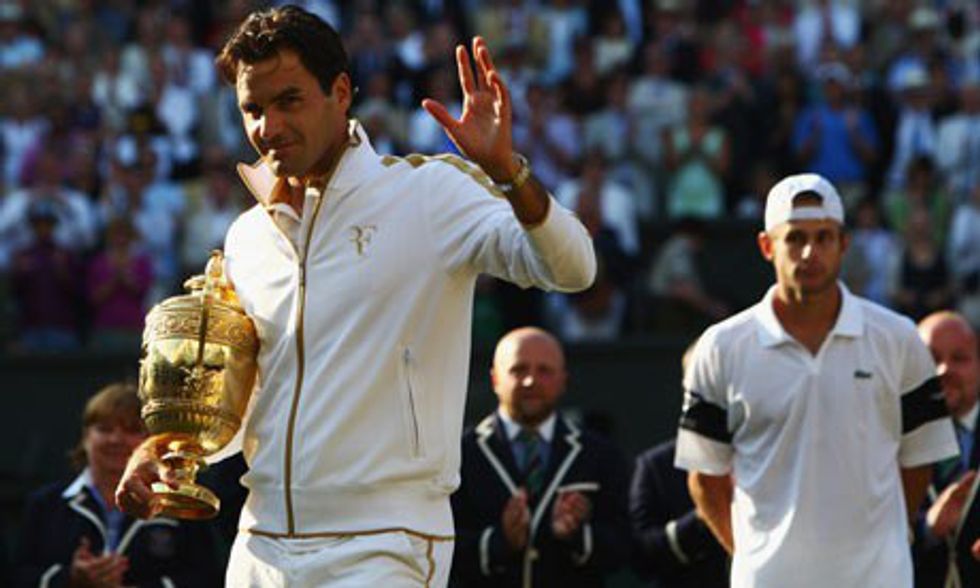
2. Novak Djokovic vs Rafael Nadal (5-7, 6-4, 6-2, 6-7(5), 7-5), Australian Open 2012, Final
It remains the longest Grand Slam final ever played, with every point turning into a ferocious battle of physical endurance and skill. Animalistic, grueling, exhausting: these are the words that come to mind when this match was contested between two of the greatest players to have played the game, Novak Djokovic and Rafael Nadal. Djokovic was the defending champion, having defeated Andy Murray in the final the year prior, and was now returning this year as the world number one after a spectacular 2011 season. Nadal, however, then ranked number two, was enjoying a 16-13 lead in their rivalry, and had won four of the six total Grand Slam matches they had played against each other.
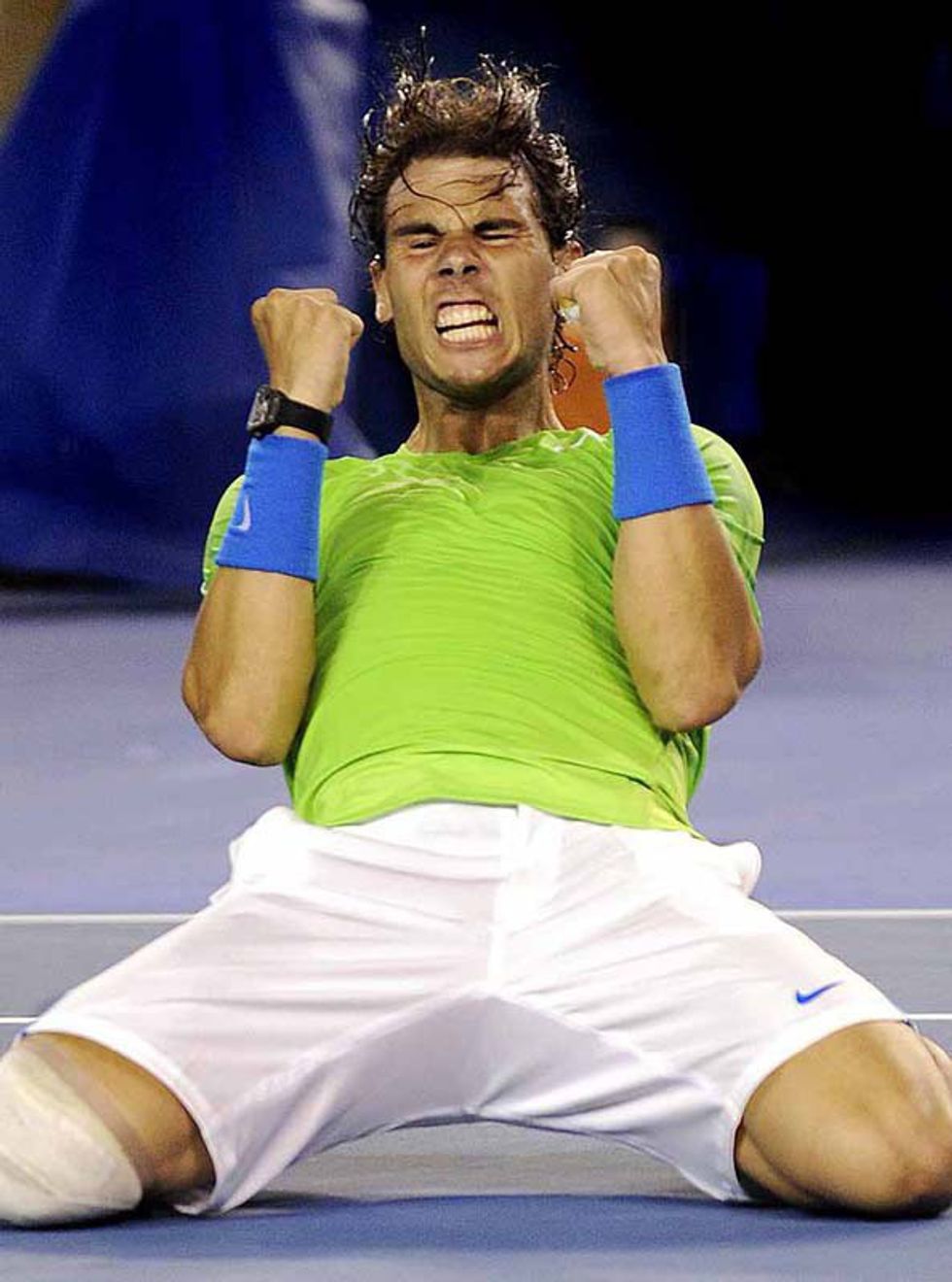
The match was a seesaw of changes in momentum: Nadal took the first set, but Djokovic fought back and won the next two. Facing triple break point when serving at 3-4, Nadal appeared to be on his way out of the match. Somehow, however, he managed to win the next five points and hold serve, and the set went to a tiebreaker. At 5-6 Djokovic hit a forehand wide to lose the tiebreaker, and Nadal’s reaction to pushing the match to a fifth set was to drop to his knees and roar, pumping his fists triumphantly as if he had just won the tournament. Though they had already been playing for four and a half hours, the best tennis was yet to come.
Analysts have measured the speed of the tennis balls struck in this fifth set and found that they were struck harder than at any other time during the match; Djokovic and Nadal were both exhausted, and yet were playing at a more physically demanding level than during the previous four sets. Nadal gained the first lead by breaking Djokovic to go up 4-2, but Djokovic broke right back to make it 4-3. At 4-4, the points that were being produced by the two players had tennis commentators almost speechless; Patrick McEnroe of ESPN described it as “a new definition of suffering…you think you’ve seen everything and then you witness a match like this.”
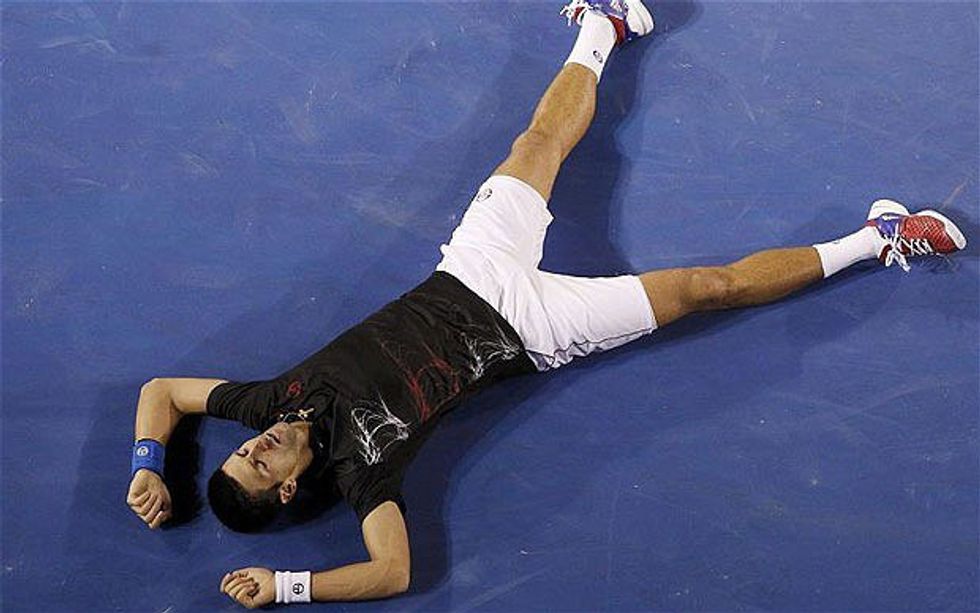
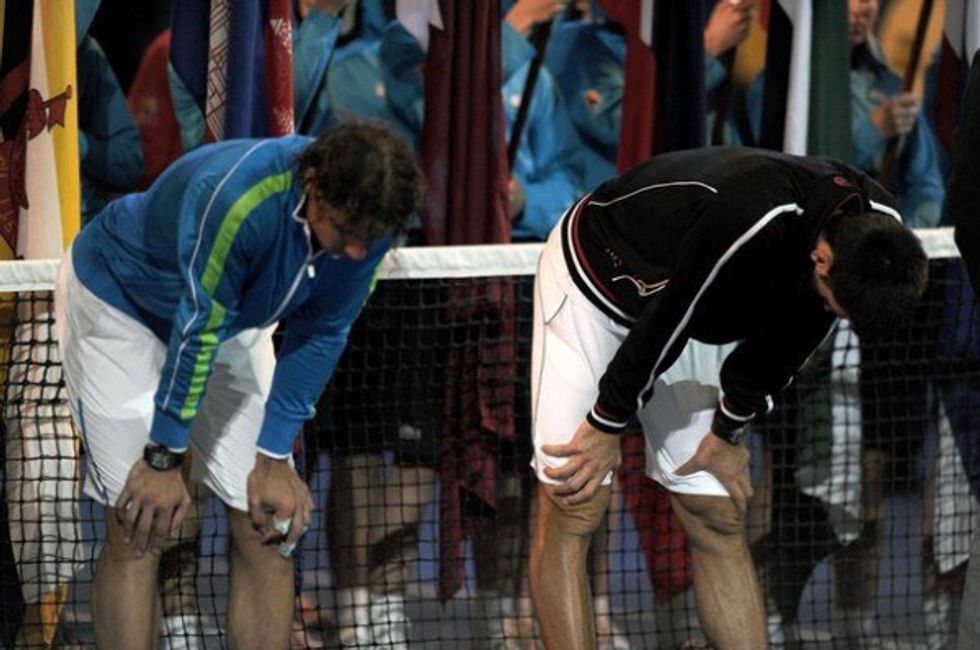
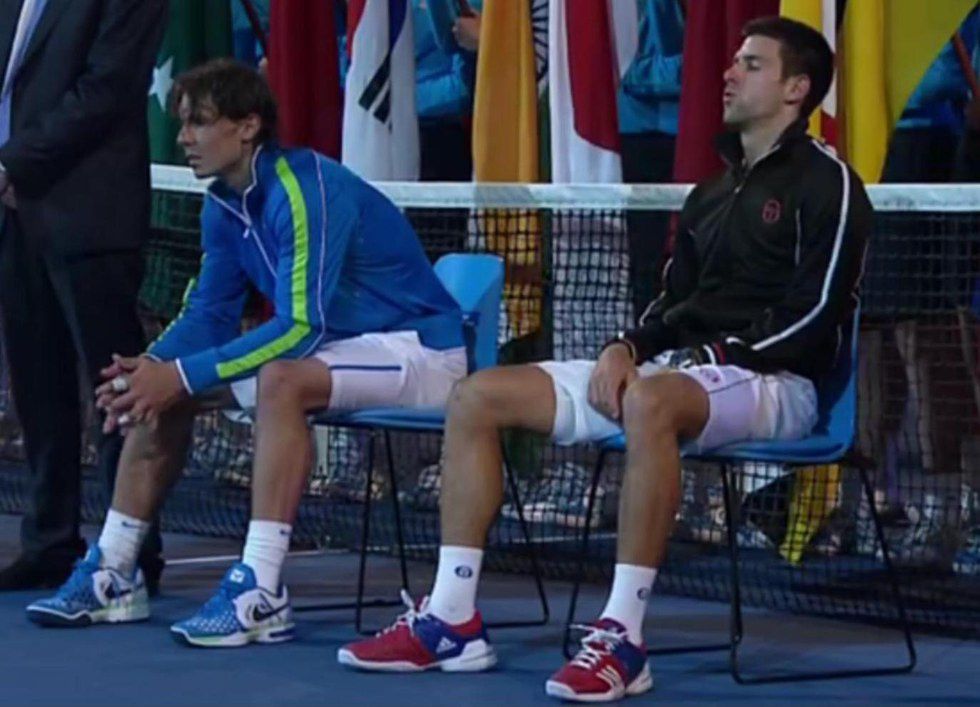
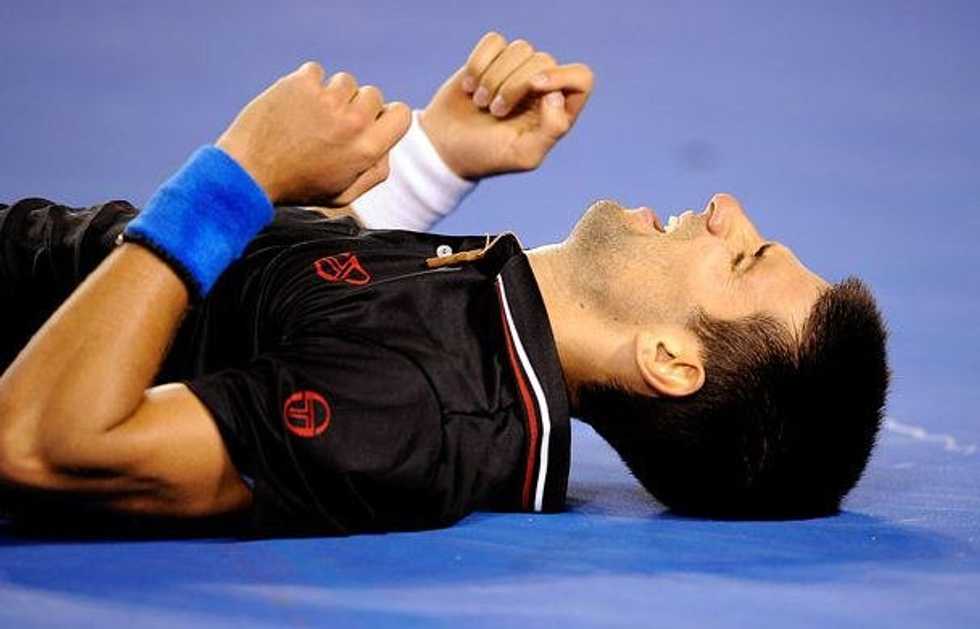
Ultimately, Djokovic would prevail after 5 hours and 53 minutes, finishing at 1:37 in the morning. The players were so exhausted, however, that during the closing ceremony both Nadal and Djokovic had difficulty standing up; eventually chairs were brought out by the staff for both of them to collapse in. That in itself is a testament to the level of tennis that was produced during this match, a match that many, including tennis legends Andre Agassi and Pete Sampras, say is the greatest tennis match ever played.