

Even though I don't have as much of a competitive history playing sports as many other college students, I have always enjoyed playing and watching sports whenever given the opportunity. Soccer, basketball, football, baseball, bowling, hockey, golf, and swimming are just a few sports that I enjoy watching. When it comes to being a fan, most of the teams I support reflect East Bay roots. I'm still young and there's plenty I haven't seen, but I have seen ups and downs and a lot of in-betweens for the teams I support. Especially for Golden State Warriors and Manchester United. I've learned that like many things in life, success for sports teams come in cycles with key lessons that are easy to apply in real life.
The History
The Golden State Warriors franchise began in 1946 but prior to the 1970s, it went by Philadelphia and San Francisco before being known by the name it bears today. Despite many stretches of time where it wasn't even near the summit of basketball glory, this team has managed to win 4 NBA championships (2 in Oakland), only behind 4 teams which boast a lot of legacy and star players: the Bulls, Celtics, Lakers, and Spurs. Their most recent championship was the first Oakland won since the 1989 World Series. Their fiercest rivals would have to be their fellow California teams, the Los Angeles Clippers.
Almost 70 years prior to the creation of this NBA team was the formation of Manchester United. This soccer club in the north west part of England would become one of the most successful clubs, having won a vast amount of trophies in nearly every competition there is to win. Manchester United is best known for their dominance with Sir Alex Ferguson (1986-2013) in the Barclays Premier League (1992-present era). From long time rivals Liverpool to their “noisy neighbors” Manchester City, many teams love to hate United because of their success.
Polar Opposites
While Manchester United was a perennial force in the soccer world, the Golden State Warriors struggled season after season. Definitely felt like both sides of the same coin. You either win or you lose. Only in this case one team mainly won and the other mainly lost. In sports fanaticism, it can be tempting to gravitate towards the top dogs. But it's never so simple. Very few teams completely dominate the other team. Even when a team experiences a lot of success, that can all change on a dime.
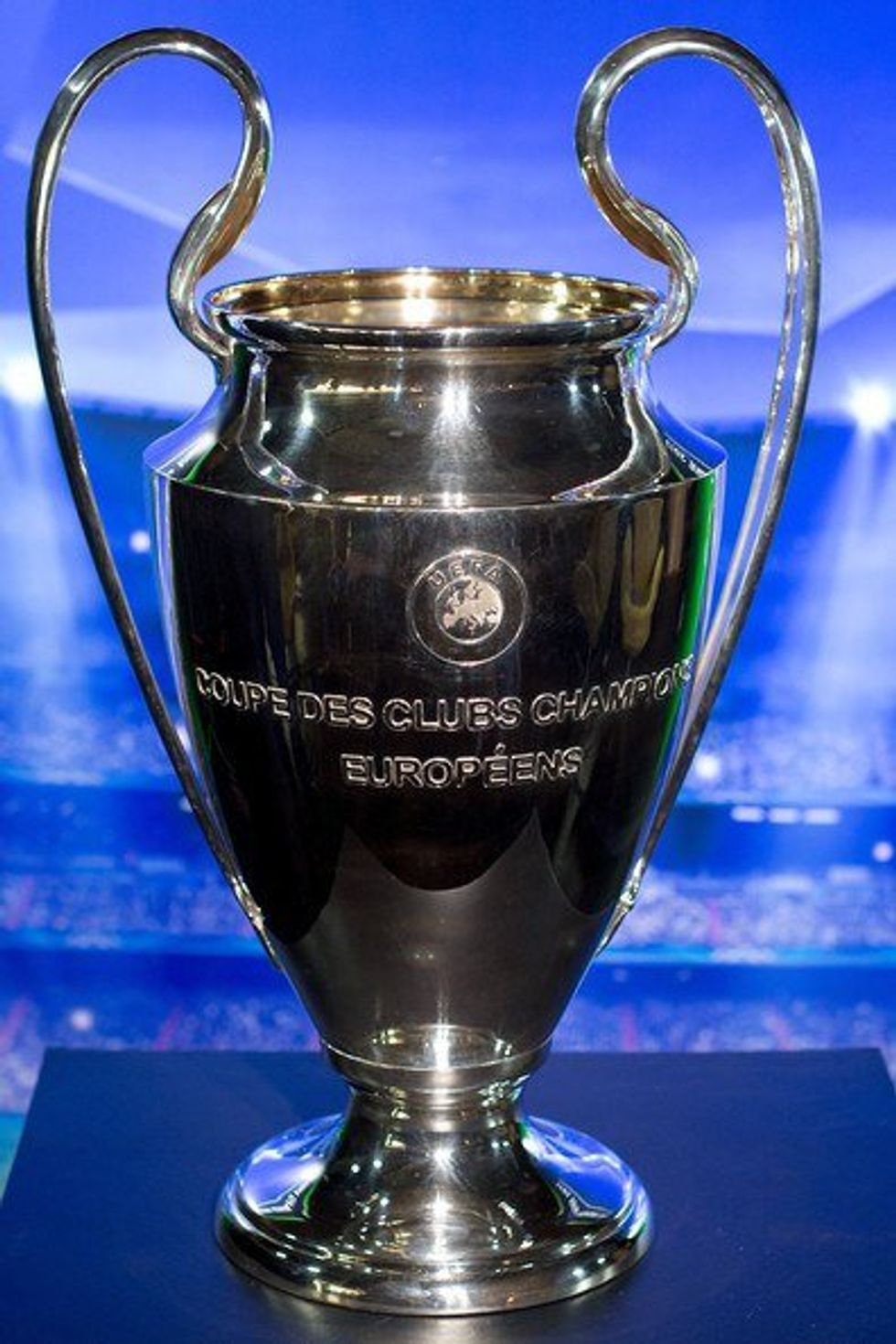
The Warriors finally uncovered the diamonds in the rough they drafted and have made the playoffs for the last three seasons, so far resulting in 1 championship which ended a 40 year title drought. Around the same time, Manchester United fizzled out from being a perennial powerhouse in the soccer world to underachieving, such as finishing in 7th in the 2013-14 season and being eliminated from the UEFA Champions League in the group stage this season. Ultimately these patterns are symbiotic to my sports experience. You learn more from defeat than victory, and defeat makes victories even sweeter. It's an interesting position to be in.
What does this duality mean?
I think I'm lucky to be a fan of teams that don't ever seem to all be on the path to victory at the same time. Imagine being a Boston or New York or LA sports fan, or perhaps living in Europe and being a fan of the Spanish national team and Barcelona. You'd be too used to winning you could hardly handle defeat.
It's nice to have that duality for two reasons. One, you appreciate the highs and you don't take them for granted. And two, it establishes loyalty. Because you never know when your winning season is and it feels good to stand by your team through bad times and then in the good times. No one likes someone who joins the bandwagon.
Yes, I like Manchester United even though I have no relation to the city or even the country of England, but when they lose a competition like the Premier League or Champions League, I don't switch to Manchester City or Chelsea. Several teams that aren't strong today like Aston Villa and Philadelphia 76ers have had success in the past. You never know what could become of your favorite team in 5 or 10 years. This duality becomes a symbiosis because having experienced both, you can use those experiences to preserve your enjoyment of those teams and sports.
Thanks to these two teams, it seems like the circle has been complete. I’ve seen them over and underachieve, as well as succeed. Whatever happens down the road is irrelevant. I will stay true to my teams and I’ll enjoy the game regardless. After all, sports and other activities and hobbies are about having fun. To me moping, arguing, hating, or complaining is not fun. There are a lot of people like that, on and offline. No matter what sport you watch or what team you root for. The star player on your team could make sandwiches for both teams during half time and still be hated. You can’t let that bother you.
So my takeaways from those experiences going back to the real world, the key ideas are loyalty, sportsmanship, and willpower. Loyalty comes at a premium today because it seems like it’s an endangered trait. But it’s an invaluable one. Sportsmanship is important because life is a series of battles or games, and inevitably you will win some and lose some. In the case of either result you can’t let that blind you from the bigger picture. You have to keep moving forward. And finally being mentally strong and full of willpower is crucial in life. You have to trust your instincts sometime, what you believe is the right thing to do, even when everyone else wants you to believe the opposite.
No matter what teams you support, always remember the reasons why you support those teams and love those games in the first place.