
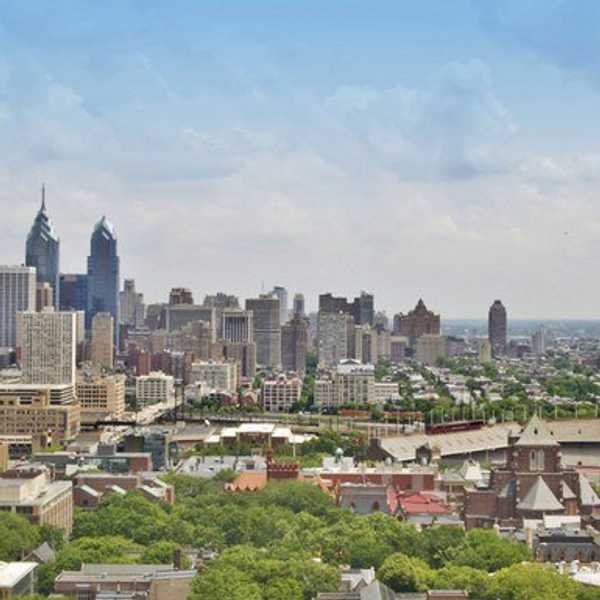

In the jungle, survival is a major key. Adaptation is the only way to survive in any changing environment. But, what do you do when your natural habitat has been so often rebuilt and restructured that it’s become foreign and unrecognizable? New York City is home to anyone that has the hustle, determination and the cash money to live there. For its inhabitants, there has been a pandemic, gradually moving through and wiping culture from the neighborhoods that these people used to know.
The Lower East Side or LES was once a place that was considered by many to be ‘’undesirable’’ and was known to be one of New York’s poorest neighborhoods. In the early 19th and 20th centuries, LES was home to many different immigrant cultures. In the mid to late 1900s, the demographic shifted as artists and musicians began to occupy the LES and neighboring east village. This brought tremendous change to the area attracting more artists, musicians, and the middle class.
In the early 2000s, a wave of construction and development swept through the LES building more coffee shops, luxury condos and hipster hangouts. This is referred to as gentrification: the renovation or “improvement” of an area to fit the middle class’ standards. From the outside looking in, this is a pro, right? Some people beg to differ. One of the most outstanding problems with gentrification is its effect on the marketing value. In some cases, people are being bought out of their homes to make room for developers to build those popular high rise buildings and houses those who’d once thought the neighborhoods repugnant.
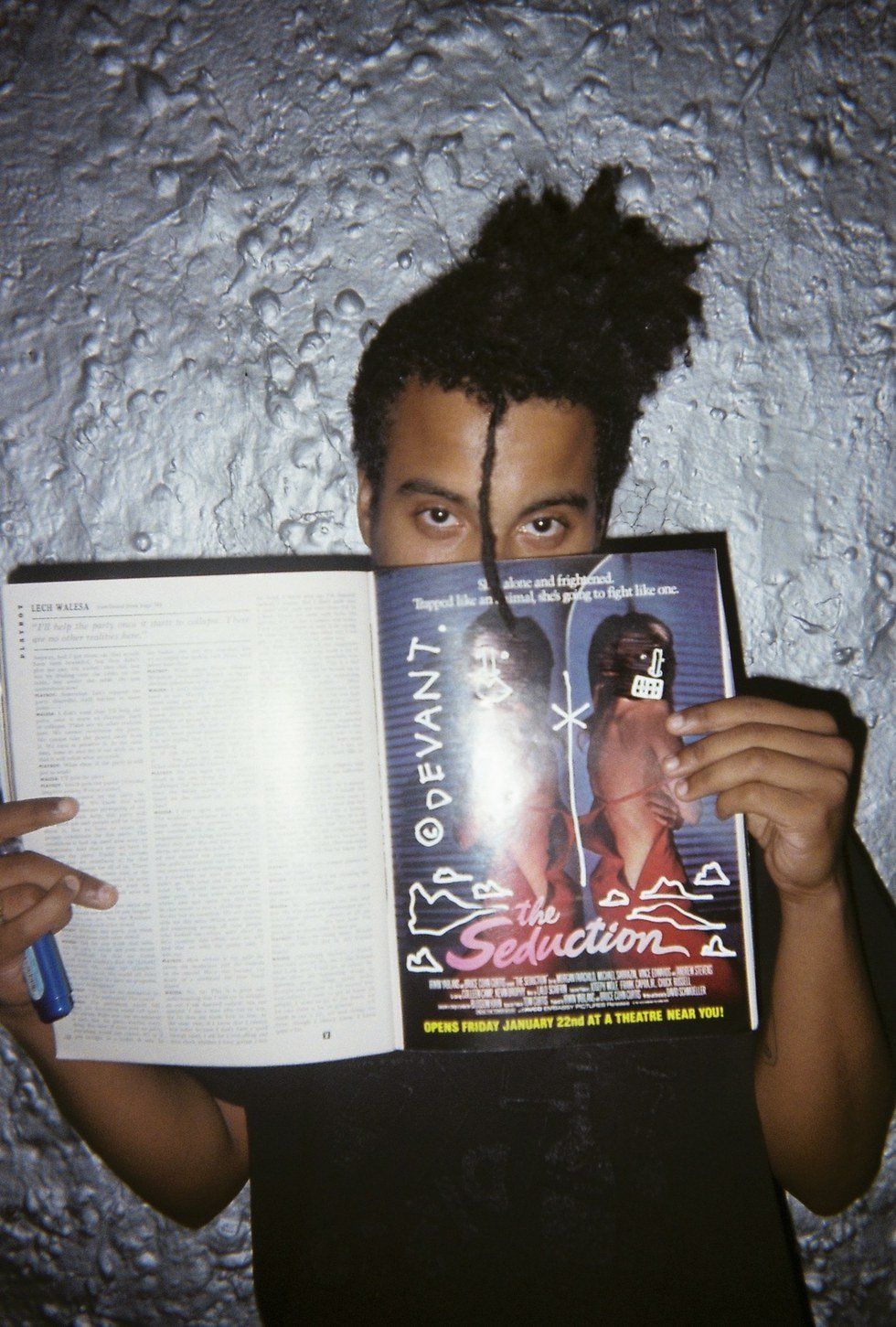
Visual Artist Jordan Devant Diaz calls the Lower East Side his home. I caught up with Jordan on a rooftop on Henry street in the heart of LES. In this twenty minute interview, we covered the issues of gentrification and the current state of the artist in New York City.
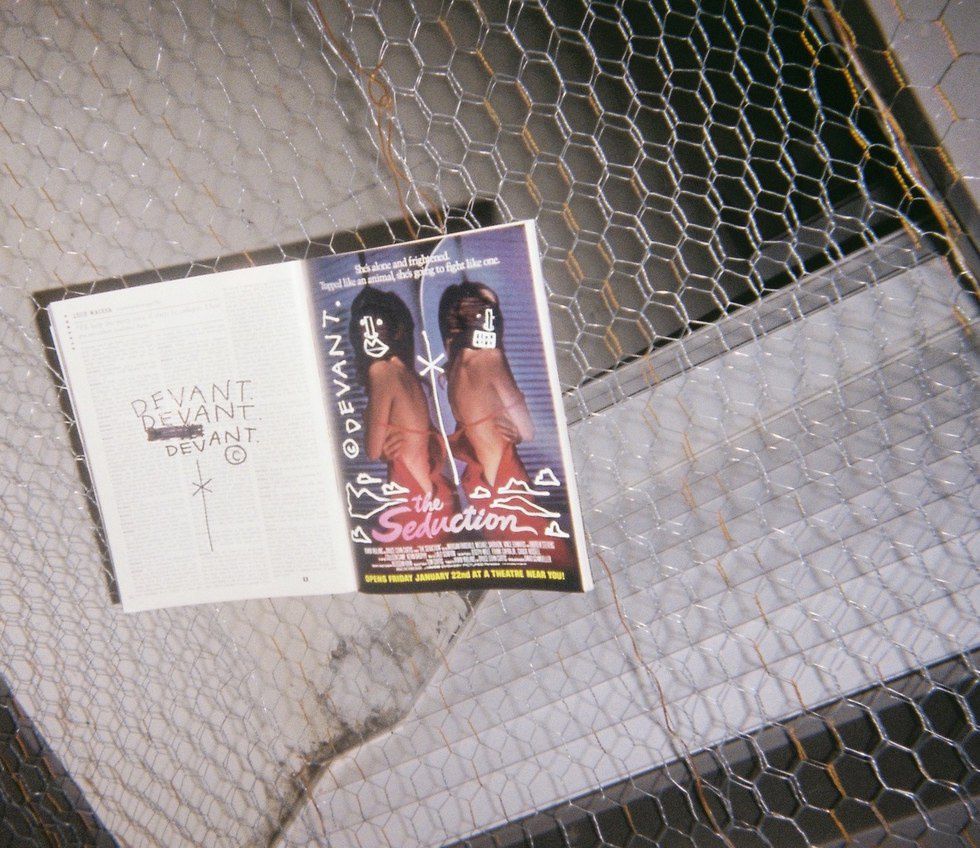
An art piece from Jordan Devant is shown above.You can find more of Jordan’s work and his contact info here.

















