It’s the Fourth of July, your family is having a big celebration with friends, games and, of course, food. You check out what's cooking on the barbecue and lift up the lid and see it’s your dog. You’re appalled, disgusted, and hurt. Why would someone kill your precious pet? He was so intelligent, mischievous. And he was your friend.
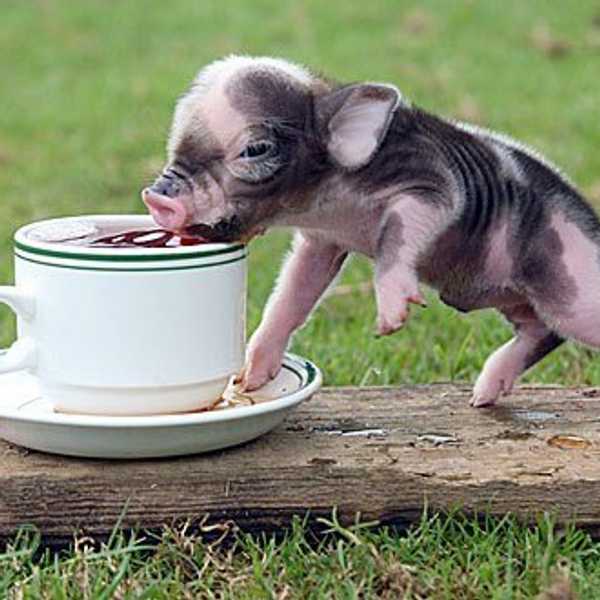
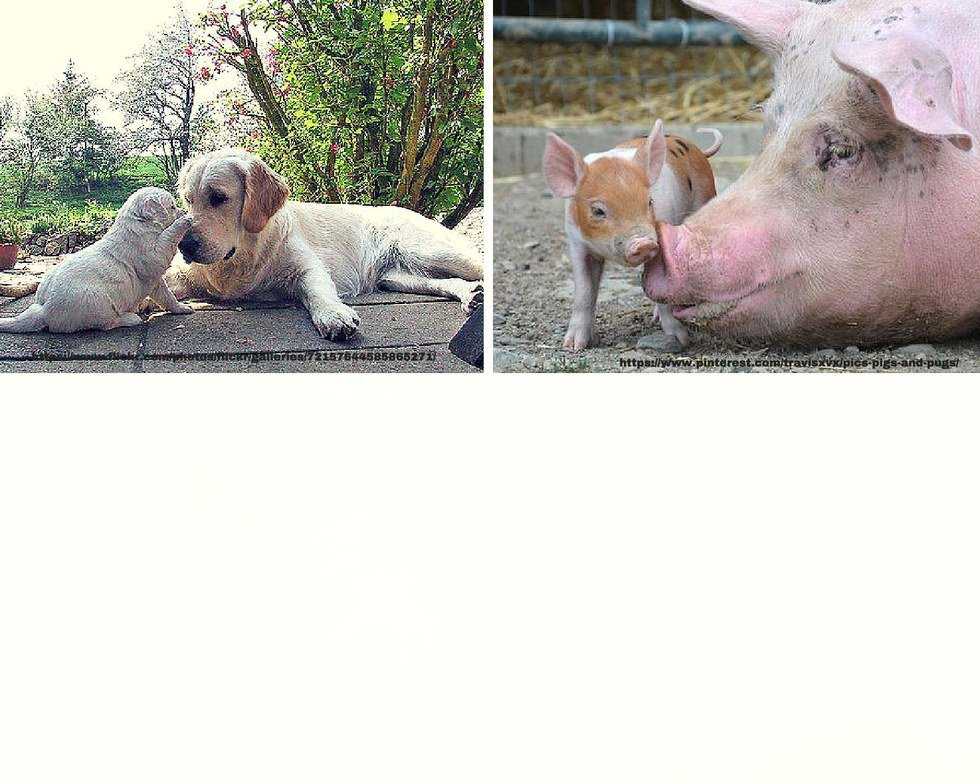
If people were frying up dogs and cats on the barbecue on the Fourth of July, there would be outrage and protests; it would make the news, and animal rights activists and animal lovers would burst out of their homes. But somehow, when we cook up a cow or a pig, it’s perfectly fine. Why do we value one animal more than another? Does a cow want to live any less than your dog? No, of course not; they both want to live a happy life and enjoy the freedoms that come with it. Unfortunately, this is not the reality.
For the Animals
In modern factory farms, animals are routinely injected with hormones and stimulants to make them grow bigger and faster. More than 25 billion animals are killed by the meat industry each year, in ways that would horrify any compassionate person.
They can't communicate with us in a way we find satisfactory but that is no excuse to determine their life. Cows that never see the light of day; chickens never walking around in the sunshine, only in filthy cages and darkness. Animals are pumped with growth hormones to make them grow bigger and faster; all of these hormones and antibiotics are passed on to humans when we eat them. The average American meat-eater is responsible for the abuse and death of about 90 animals per year.
The problem is that we are very disconnected with how our food is produced and how it reaches our plate. It’s almost unfair to blame people for eating meat and not realizing it’s a problem because it has been ingrained into our culture as normal. Think of, even, what we call it: “hamburgers,” “hot dogs,” “steak” and “bacon,” but never by the name of what it really is: cow, pig. If you’re wondering why you never hear about the horrible conditions of factory farms or the environmental impact on the news, that's because the big corporations like Tyson and Smithfield would never allow it. This is not Old MacDonald’s farm anymore: this is a mass production of mistreated animals. Times have changed, and most of us aren’t farmers raising animals and seeing how they are killed. If we had to go out, find a cow (or pig, or any animal), slaughter it, skin it, and clean out their organs and guts, many of us would not want to eat it after that. Nobody wants to look at the before, they only want to see the after, the finished product. So the next time you're eating meat, think about the industry you are supporting.
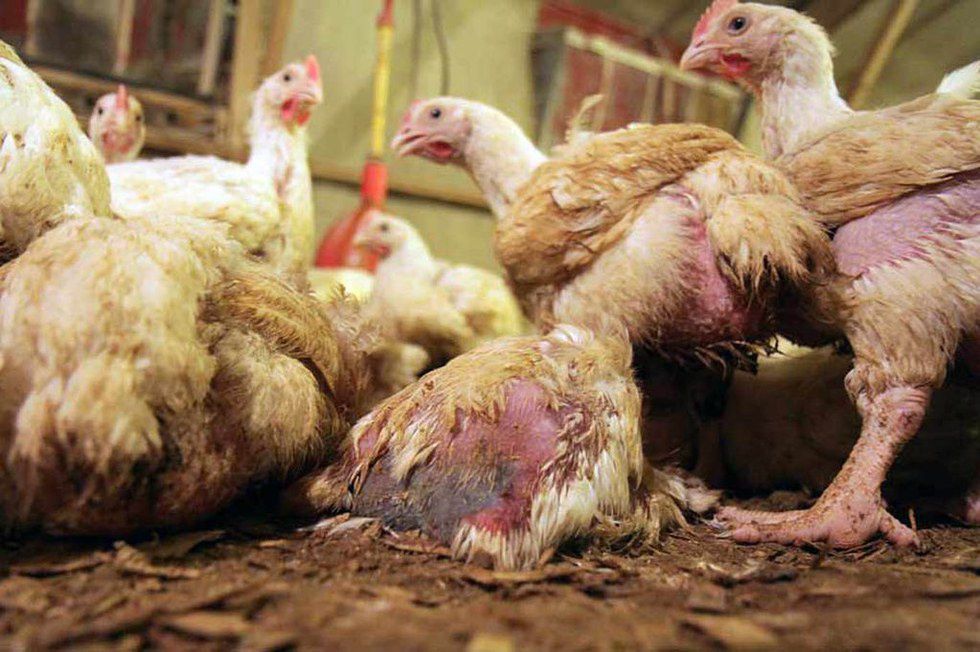
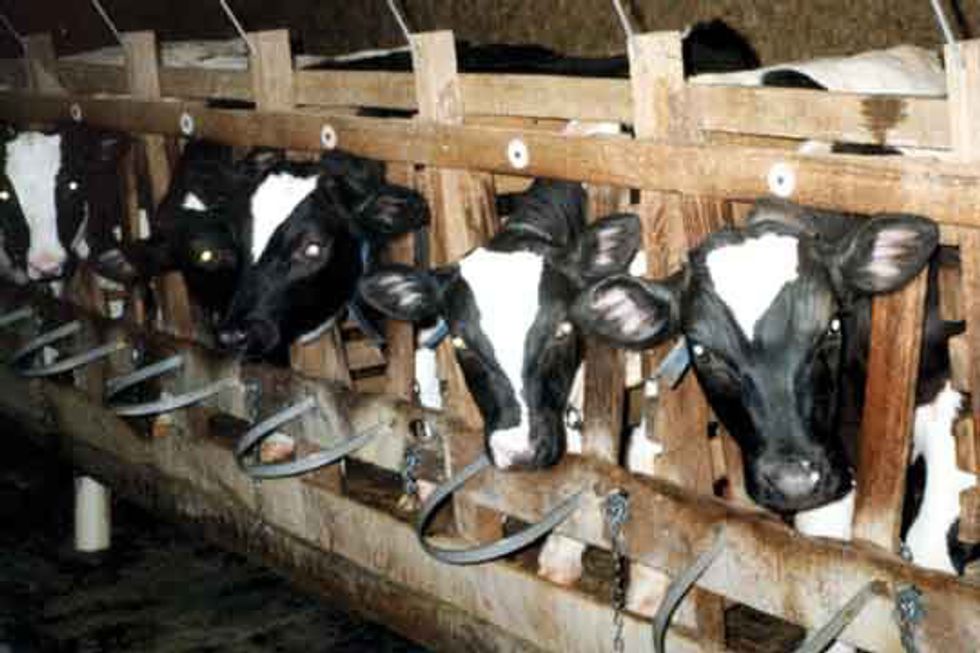
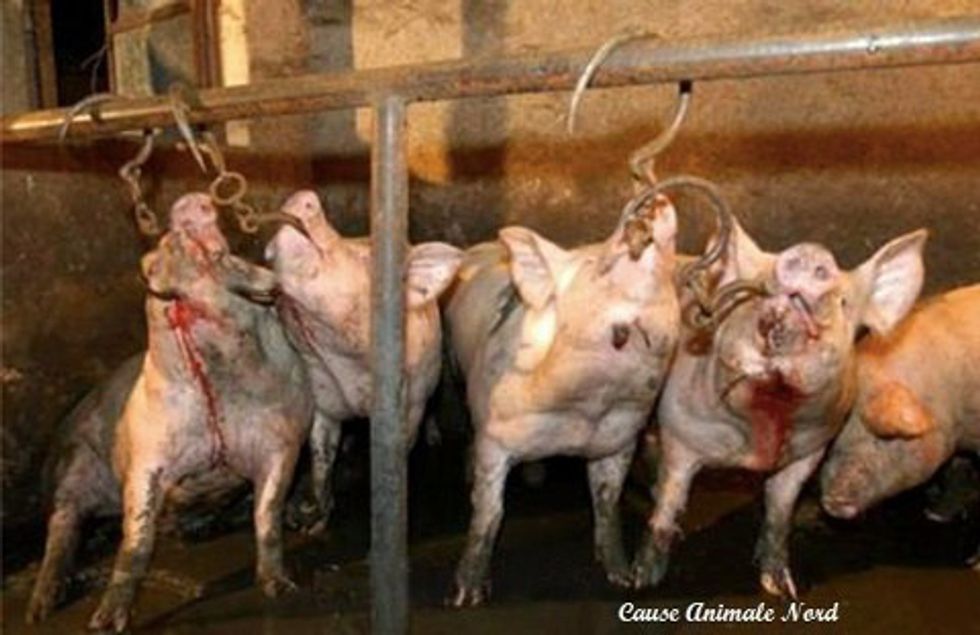
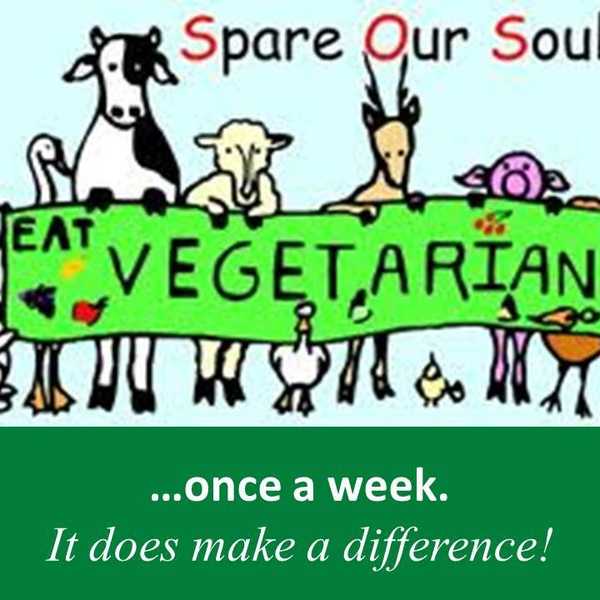
Many people will make excuses like “animals don’t have feelings” or “it won't make a difference if I don’t eat meat.” That's just an excuse people make to justify their actions. These are probably the same people who complain about the president after they decided not to vote because “one vote doesn’t matter.” Not eating meat is a way to show that you don’t support the mistreatment of animals and, while yes, you can do a lot more by volunteering at sanctuaries and participating in protests, refusing to eat animals is a great way to prove you care about them.
It is hypocritical to say that you love animals then eat their friends for dinner. I don’t feel that there is a humane way to kill animals either, humane slaughter is a paradox in itself. You can read a chicken a bedtime story, wait until they're fast asleep, and then slit their throat, but it is still murder, whichever way you put it.
For the Environment
The detrimental effects the meat industry has on the environment is just another reason to go vegetarian. There is only one place for humans to live right now, if we don’t take care of our planet now, we are living selfishly.
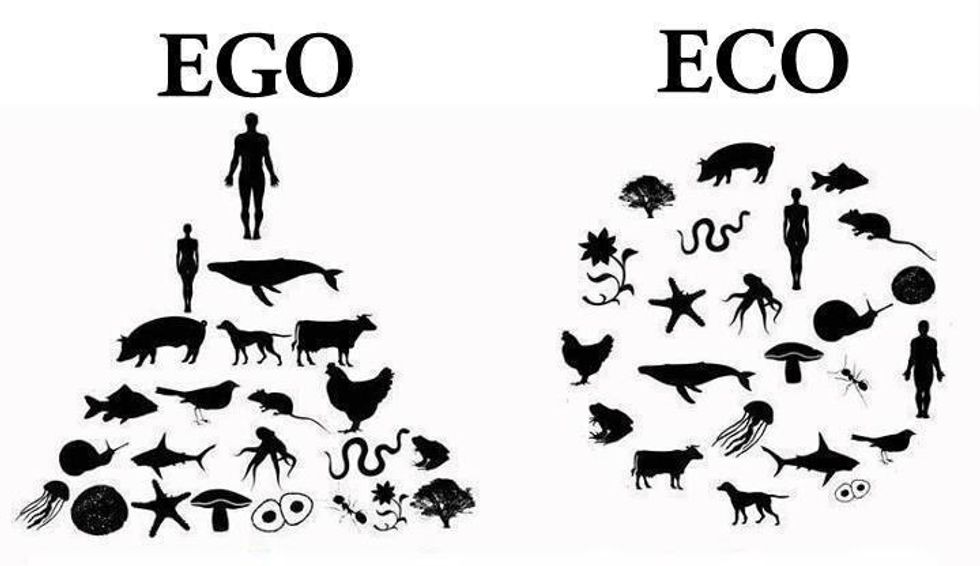
A vegetarian diet also reduces the production of carbon dioxide (CO2). An average car produces 3 kg of CO2 a day, while the effort to clear a rainforest to produce beef for one hamburger produces 75 kg of CO2. Eating just one pound of beef does the same damage as driving your car for three weeks!
Adopting a vegetarian diet also reduces the destruction of tropical rainforests and wildlife habitats and helps to save endangered species. Rainforests are essential because they regulate the global climate and the water cycle, absorb carbon dioxide from the atmosphere. Every second, one entire football field of rainforest is demolished in order to produce 257 hamburgers.
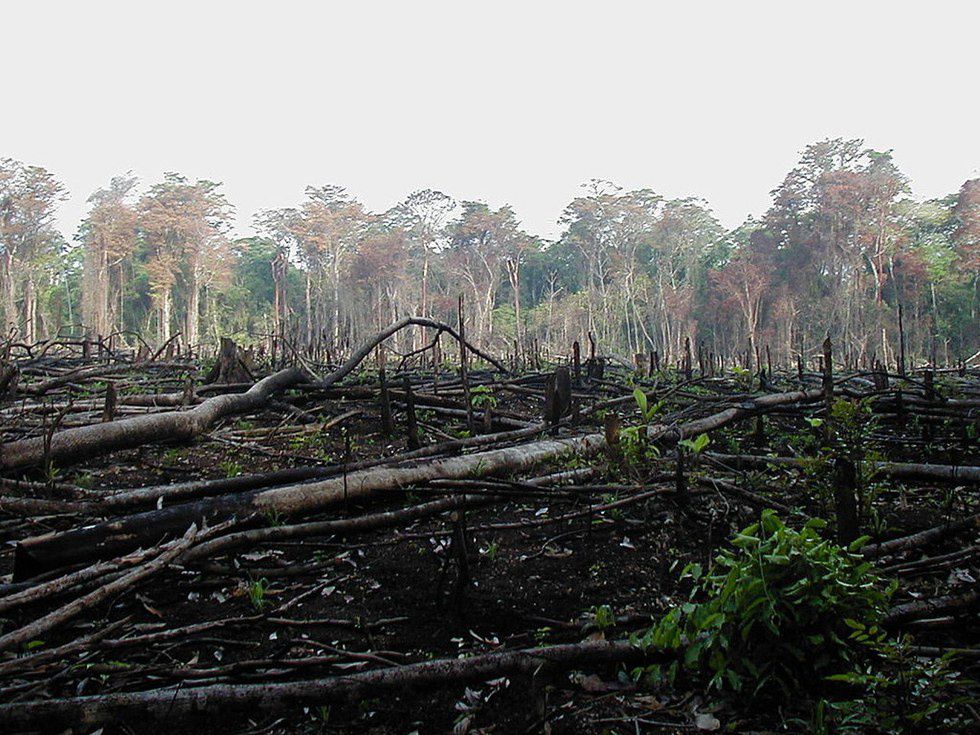
According to the US Department of Agriculture statistics, one acre of land can grow 20,000 pounds of potatoes, and that same acre can produce less than 165 pounds of cow. There is so much land being wasted to feed the animals that produce so little. It takes about 16 pounds of grain to produce 1 pound of meat; that same amount of grain could feed 10 people. This is a waste of resources that could be used to feed impoverished people all over the world.
There is a huge waste of resources through animal agriculture. According to the USD, agriculture is responsible for 80 percent of all water consumed. The typical tips you hear when it comes to saving water talk about taking shorter showers and turning off the water when you brush your teeth, but in reality, this is not going to do a damn thing. Eating just one 16 ounce steak takes 1,800 gallons of water, which is the equivalent of 105 showers. So if you want to save water and still be clean, lay off the meat.
For your health
People experience positive benefits to their health when they switch to a vegetarian diet. According to the American Dietetic Association, vegetarians have a reduced risk of heart disease, obesity, colon cancer, adult-onset diabetes, osteoporosis, gout, gallstones, kidney stones, lung cancer, and breast cancer. We have been constantly told that meat and eggs are the only source of protein, which is simply not true. There are plenty of plant foods that fulfill your daily protein needs.
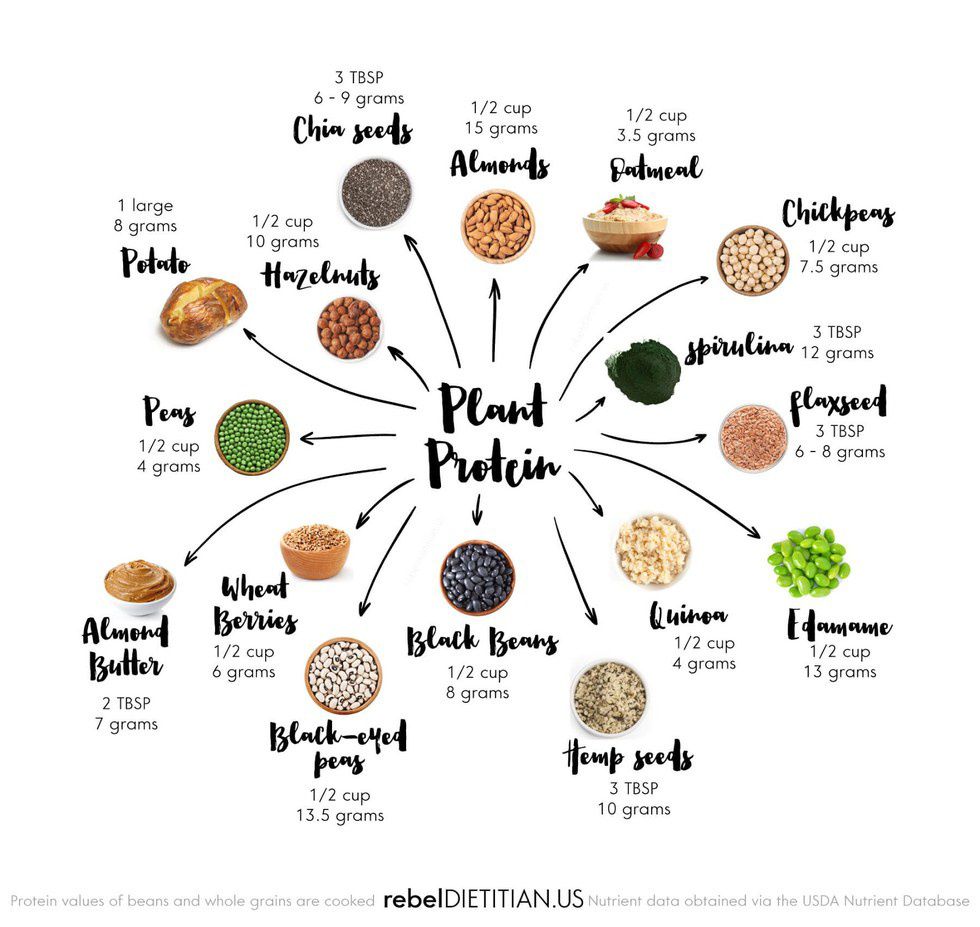
The vitamins you need to be aware of on a vegetarian diet are vitamins D, B12, and calcium, which are nutrients that even many meat-eaters lack. On a vegetarian diet, you'll feel more energized and happy that you're not contributing to the mistreatment of animals and the planet.
In conclusion, many people aren't aware of the detrimental effects of eating meat. But now that you are, you have the choice to ignore it or do something about it. It is up to us to speak up for these animals who have no voice.
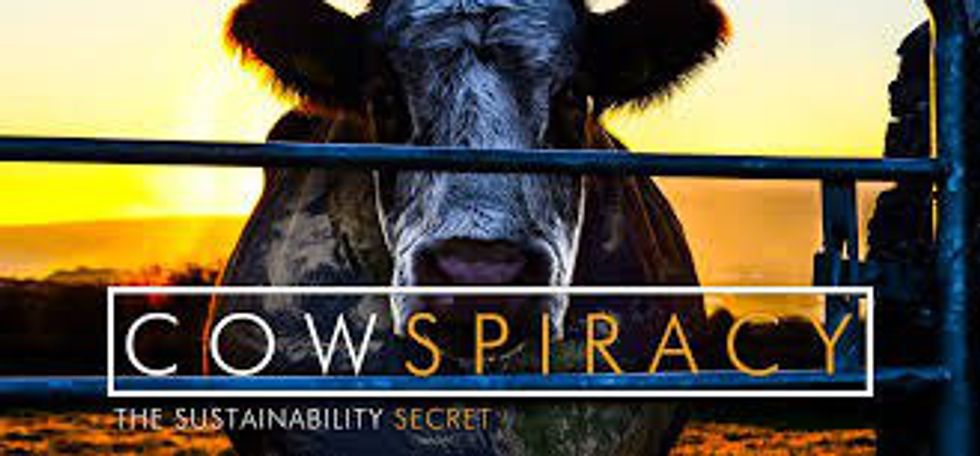
It is our responsibility to preserve our environment for future generations. It is in our best interest to take charge of our health. Do your research, watch documentaries and get educated. So many people are misinformed about this lifestyle that the best time to start is now. Next time you sit down for a burger, look at your plate and think not about how it is now, but who it was before.