

I never met my maternal grandparents. My grandfather died before I was born and my grandmother followed him when I was less than a year old. Both of them died shortly after turning just 60 years old. Cause of death: congenital heart failure as a result of life-long smoking.
I will never get to ask them about my Greek and Swedish heritage. I never dyed red eggs on Greek Easter or played cards with my grandma. She and I never shared a cup of coffee and conversation. All I have are the stories and memories my mother, aunts, and cousins have shared with me over the years since I am the only grandchild that doesn't have a single memory of her.
But what I do remember is the death of my paternal grandpa just three years ago. He too was a victim of tobacco. He died of congenital heart failure just like the others. Unlike the others, I grew up and bonded with him. He died during my freshman year of college. Now, he's left behind my grandma who has taken an emotional downward turn, a family still struggling to take on his former responsibilities, and a granddaughter who loved him and misses him every time she sees birds in the sky. My grandpa will never see me, the first woman in his family to graduate college this May. And I will never fish for carp with canned corn on the beach with him again. Tobacco took it all away.
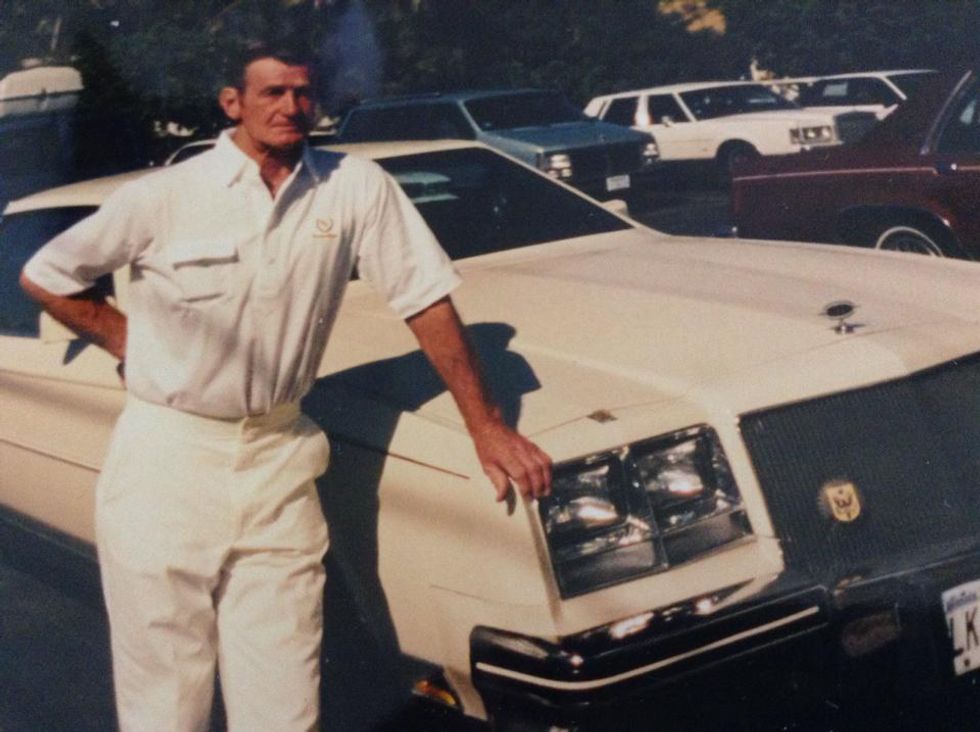
My grandfather didn't die suddenly. He suffered for 10 years. He had his aorta replaced, he had both skin and prostate cancers, he struggled with breathing and respiration, and in the end, he lost his fight to heart failure. Through it all, he never complained once. Even in his hospital bed on numerous holidays he only wanted to talk about his grandchildren and their lives. He never showed any sign of pain. He was a warrior. But he didn't have to be. He paid for the years that he smoked.
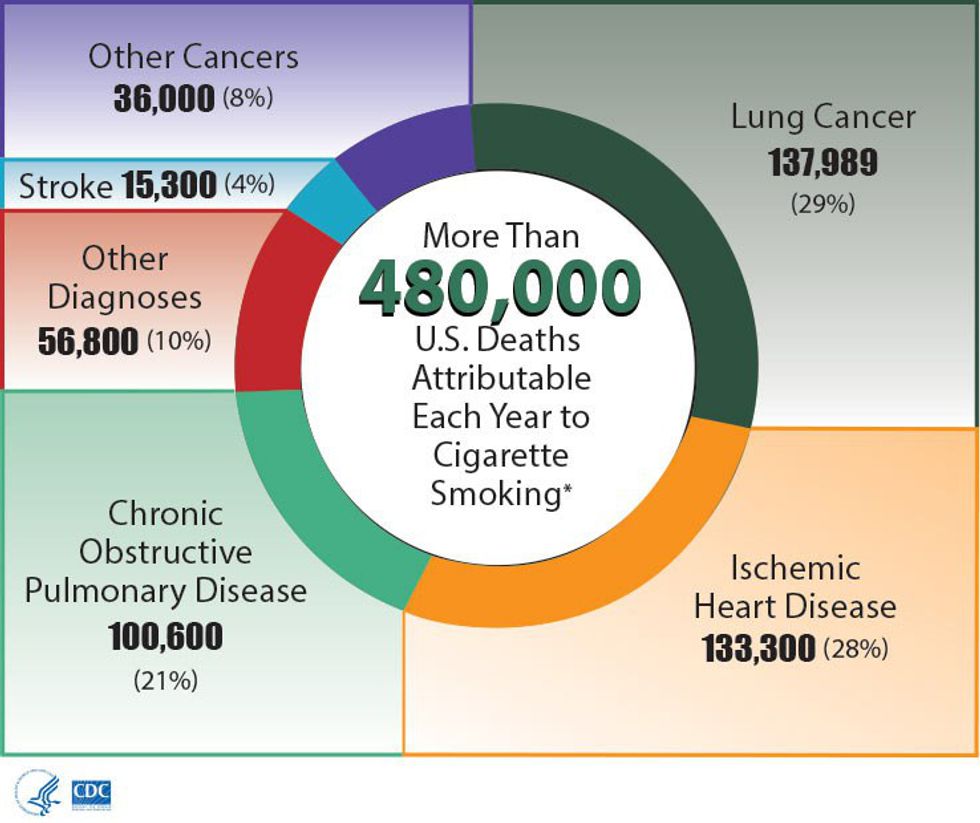
Today, even with all the research and proven data on the dangers and fatality of smoking, 17 percent of Americans still smoke. One in 5 deaths in the U.S. are smoking related.
According to the CDC, smoking causes coronary heart disease and can increase your risk for heart disease by up to four times. The CDC also found that smoking can cause cancer almost anywhere in the body. If you quit smoking, within a year your risk for a heart attack drops dramatically. All of my grandparents might still be alive today if they'd quit smoking earlier in their lives.
Even though cigarette users have dropped off in numbers over the past decade, there's a new tobacco trend that's picking up speed: E-Cigarettes. Like smoking ads of the 1960s, ads for E-Cigarettes are targeting the youth and developing a new generation of smokers. 66 percent of middle school students and 71 percent of high school students are exposed to E-Cigarette ads daily.
These ads appear in retail stores, magazines, social media, and on television because there is no current legislation that can prohibit the advertisement of water vapor tobacco products. E-cigs still contain tobacco and nicotine to make them addictive. But because it's not burning smoke, companies can advertise them like any other household product.E-cigs aren't as scary as cigarettes and hold less stigma. That's the problem. They don't seem as bad as smoking because it's just water vapor, right? We don't know.
The FDA, without new legislation, cannot regulate or review what's actually in E-Cigarettes.
However, in 2008 the FDA was able minimally lab tests The results? They found a detectable toxic cancer-causing chemical (including an ingredient used in antifreeze) in two leading brands of E-Cigarettes. A 2014 study found that aerosol from e-cigarettes contains formaldehyde (you know, what they preserve dead frogs in), another cancer-causing carcinogen. Still, there is so little research and data available about the effects of e-cigarette use making them all the more dangerous and risky. Tobacco is tobacco, whether its burned or vaporized.

To the living family and friends of mine who still smoke or have just begun using e-cigs: hear me. Is tobacco worth your life? Is it worth the years of your life that it will rob you of? Is it worth not seeing your future grandchildren go to college? Is it worth leaving your spouse a widow? Is the sweet relief of puffing on a cig worth the pain you will undoubtedly put your family and yourself through someday? Does the fact that the FDA still doesn't know what's in that E-Cigarette you smoke in the house (sometimes around children) not concern you?
Sincerely,
The girl who wishes her grandpa were going to watch her walk across the stage at commencement this May.
For information on how to quit, go to www.smokefree.gov. Do it for those who love you. Do it for yourself.