The 2016 Rio Summer Olympic Games include 41 various land-, water-, target-, combat-, team-, and artistic-based sports. However, certain activities like beach volleyball, volleyball, swimming, diving, gymnastics, track and field, and men and women's basketball finals receive more coverage than others in America due to high popularity and demand, according to NBC Olympics. Nonetheless, these other athletic games are fun to watch and their hard-working athletes deserve an audience. Take a break from watching a more famous sport and check out these five overshadowed Olympic sports.
1. Rugby
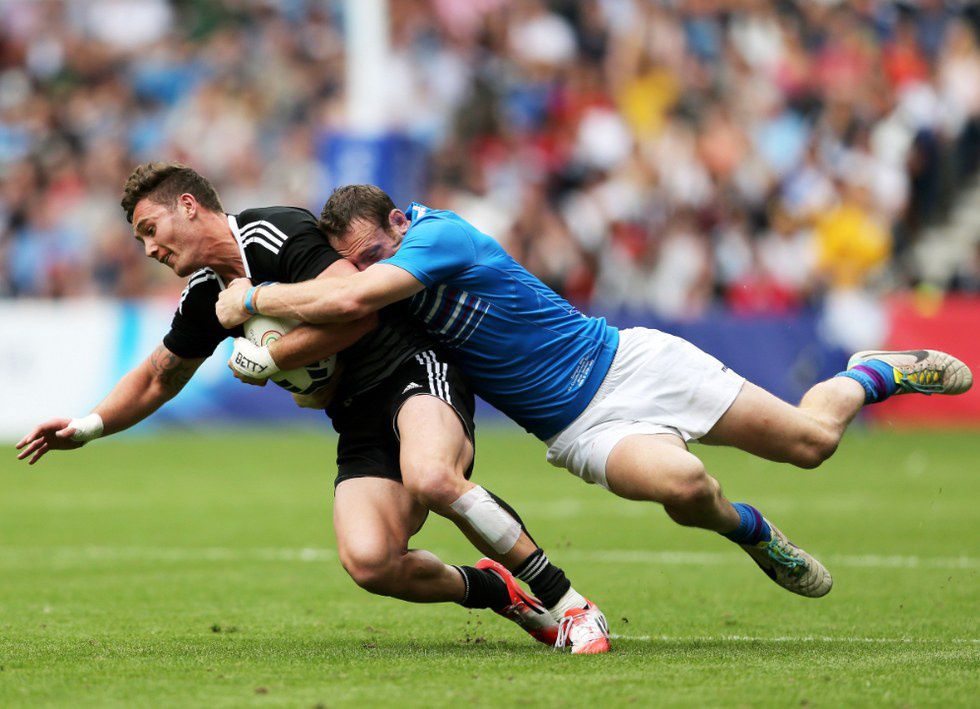
Rugby is not a well-known sport all-around in America but continues growing in popularity among youth and on college campuses. Rugby is one of the only contact sports the NCAA allows female athletes to compete in, so it is no surprise that women make up a third of Rugby athletes, according to USA Rugby. College teams comprise the majority of the organization's 115,315 members at a total of 32,850.
A student at Rugby School in Great Britain named William Webb Ellis ran over the goal line with a football in his hand during a football match, thus inventing a new contact sport bearing similiarities to football, according to the official Olympics site,. Students from the Rugby School and University of Cambridge in Great Britain drafted official rules later on and the first international match was played way back in 1871.
According to the Olympic Games site, there are two different types of Rugby commonly played today — Rugby Union (Rugby 15s) and Rugby Sevens (7s) . Rugby Union has been played in the 1900 Paris,1908 London, 1920 Antwerp, and 1924 Paris Olympic Games. However, the sport took a long hiatus and was not reintroduced to the Games until this year as Rugby Sevens instead of Union. The sport includes 14 countries, 293 athletes, mainly players aged 21-30, and will run again in the 2020 Olympics in Tokyo.
USAsevens.com states that Rugby Sevens is a shorter variant of Rugby Union. Seven players stand on each side, each time gains five reserves and can only make five substitutions. Rugby Union, on the other hand, uses fifteen players and a match lasting around 80 minutes, according to the Scottish Sun. The fast-paced game is played on a grass field and the Games features 12 female and male teams per tournament. Each match is divided into two seven minute halves, but the Championship final halves last 10 minutes. The scoring system and rules remain similar to football but feature characteristics that are still unique to the sport. Players pass an oval-shaped ball backwards across the field to their teammates, aiming to score tries or win penalties.
2. Canoe Slalom
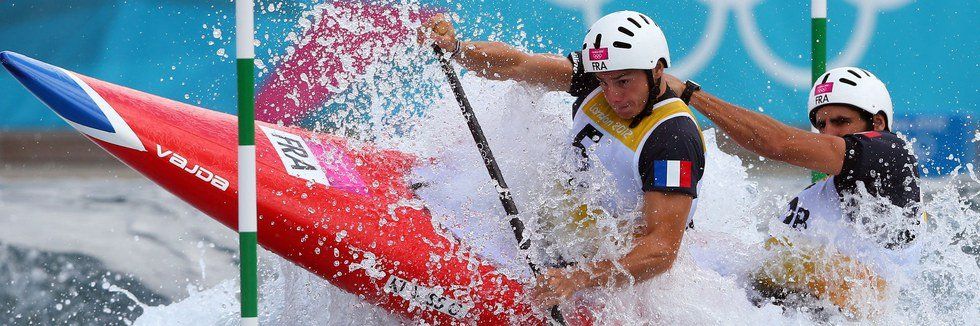
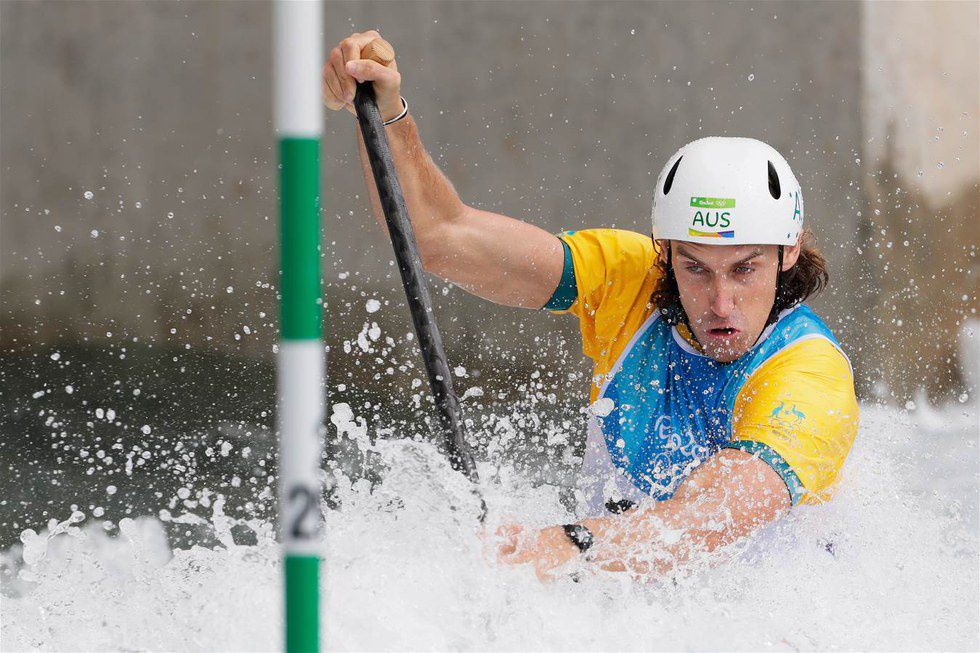
This sport was inspired by slalom skiing and was developed by the Swiss in 1933 as a summer alternative to the winter sport, according to the International Canoe Federation. It debuted at the Munich Olympics in 1972 but was not officially recognized until the 1992 Barcelona Games, according to the Rio Games site. The athletes utilize kayaks or canoes and single- or double-bladed paddles to complete a 250m white-water obstacle course in a minimal amount of time. This difficult route changes each Olympics and consists of eddies and swirls geared to steer competitors off course.
Heats have two races while semis and finals only involve a single race. Males mainly play this less common sport, which includes 30 countries and 83 athletes. As a result, the Games offers three men's events and only one women's. Check out this sport if you enjoy watching water sports, fast-paced races, or athletes overcoming challenges.
3. Fencing
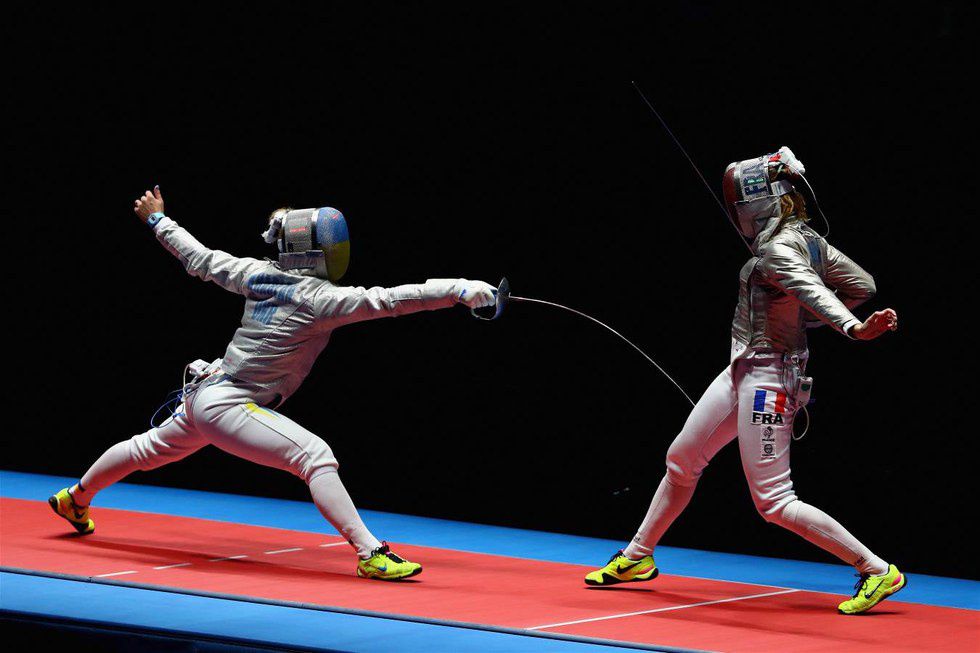
Fencing dates way before the Olympics back in medieval times but becomes overshadowed by more popular sports like gymnastics, swimming, and volleyball. Fencing has been a longtime part of the Olympics since 1896 with men's foil and sabre individual events and is one of only five sports that has appeared each Olympic Games according to the International Fencing Federation. However, women's fencing was not officially recognized until the 1996 Atlanta Games. Fencing holds three individual and two team events. The aim of this game is to touch the opponent using a blunt-edged sword as many times as possible during the match.
According to the Rio Games site, the sport spotlights three different events — épée, foil and sabre. Competitors can touch their opponent with their sword's tip in épée, the upper body and front of the neck in foil, and above the waist in sabre. A hit constitutes one point and a sensor on the fencer's sword records each point by lighting up and creating a sound. Fencing features three team and two individual events for both men and women and 47 participating countries. Get ready to watch men and women intensely strategize and duel with shiny swords.
4. Shooting
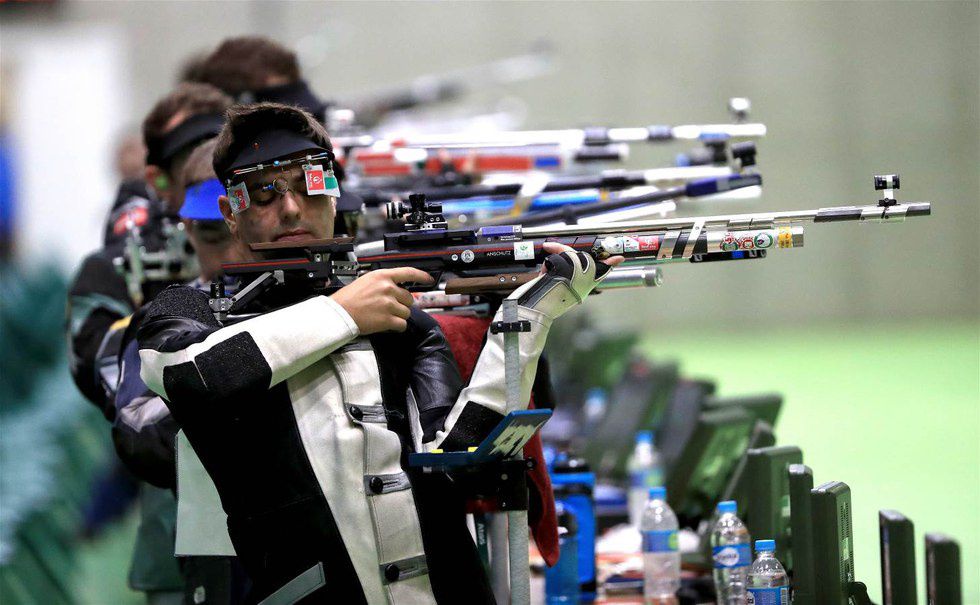
Many people would probably say that the Olympic Games should not highlight non-cardio sports like shooting, yet it requires a high degree of accuracy and refined technique. This sport can even be seen as a modern-day form of other target sports like archery, even men's shooting was introduced back in the 1896 Athens Games. Women's shooting was later admitted at the 1984 Los Angeles Games. These athletes aim at targets and earn points based on their accuracy.
The sport includes 97 countries competing in 15 events featuring three different gun types — rifle, pistol, and shotgun — that hold different rules based on target type, target distance, shooting position, allotted number of shots, and overall time limit, according to the Rio Games site. Men and competitors above the age of 30 remain the main contenders with Reichart Paulo Bernardo from Paraguay standing as the oldest at age 56.
5. Handball
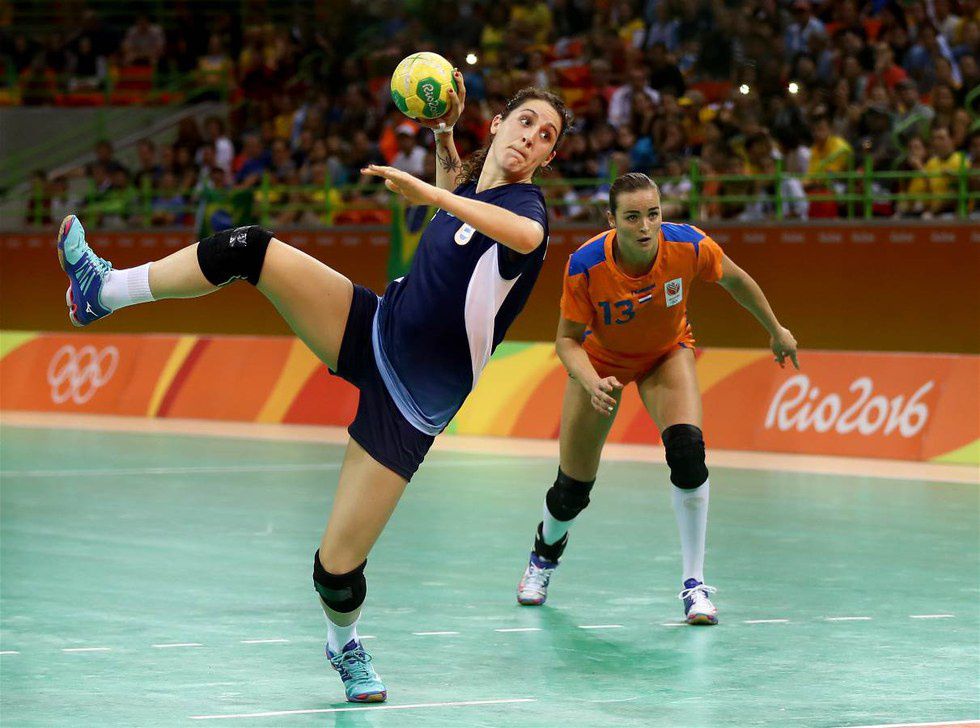
Handball is not only a sport grade schoolers play on blacktop playgrounds during recess — there is an adult version that first debuted at the 1936 Berlin Games for men and 1976 Montreal Games for women. According to the Rio Website, the game was originally played outdoors but now holds indoor competitions. Seven on-court players divided among two teams pass the ball using their hands and arms and score by throwing their ball into the opposing team's goal. Seven additional players from each side sit on the sidelines as substitutes. The team with the highest total points at the end of the hour long match winds. Only 20 countries compete in this sport that hosts many matches but only two events. Try this game on for size and watch teams work together to score goals.