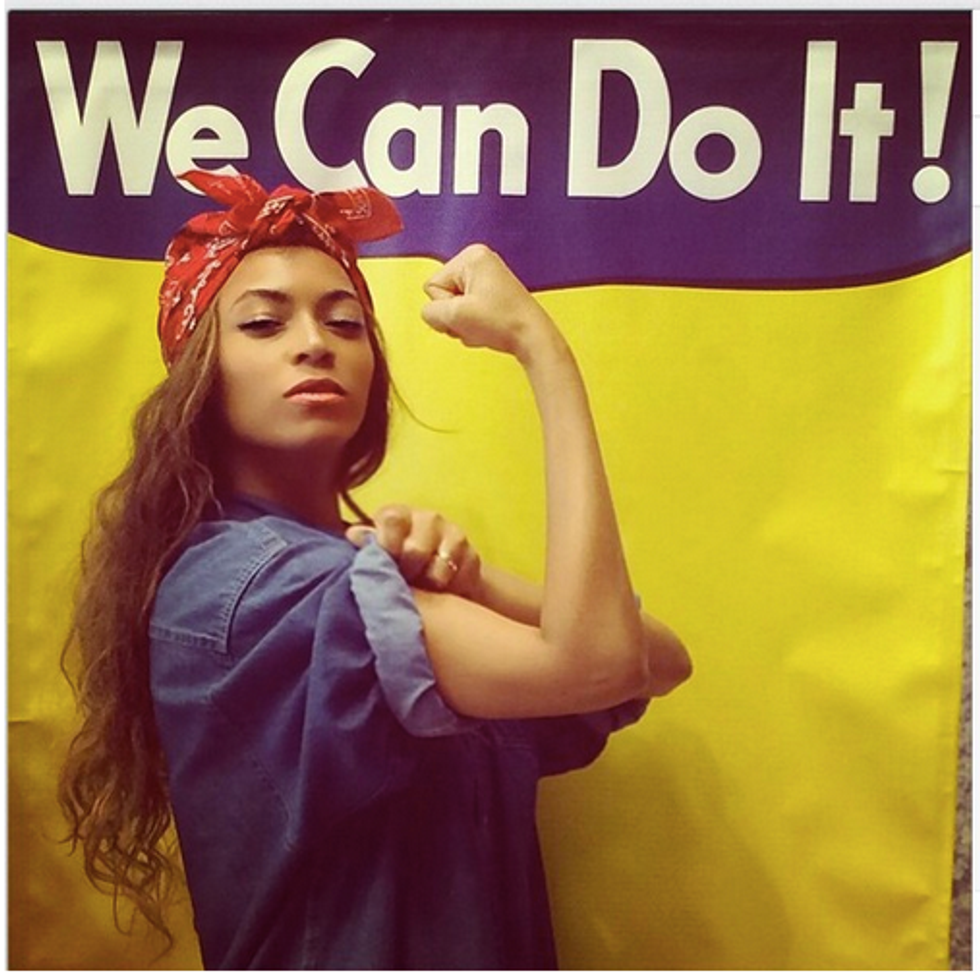
I am a feminist.
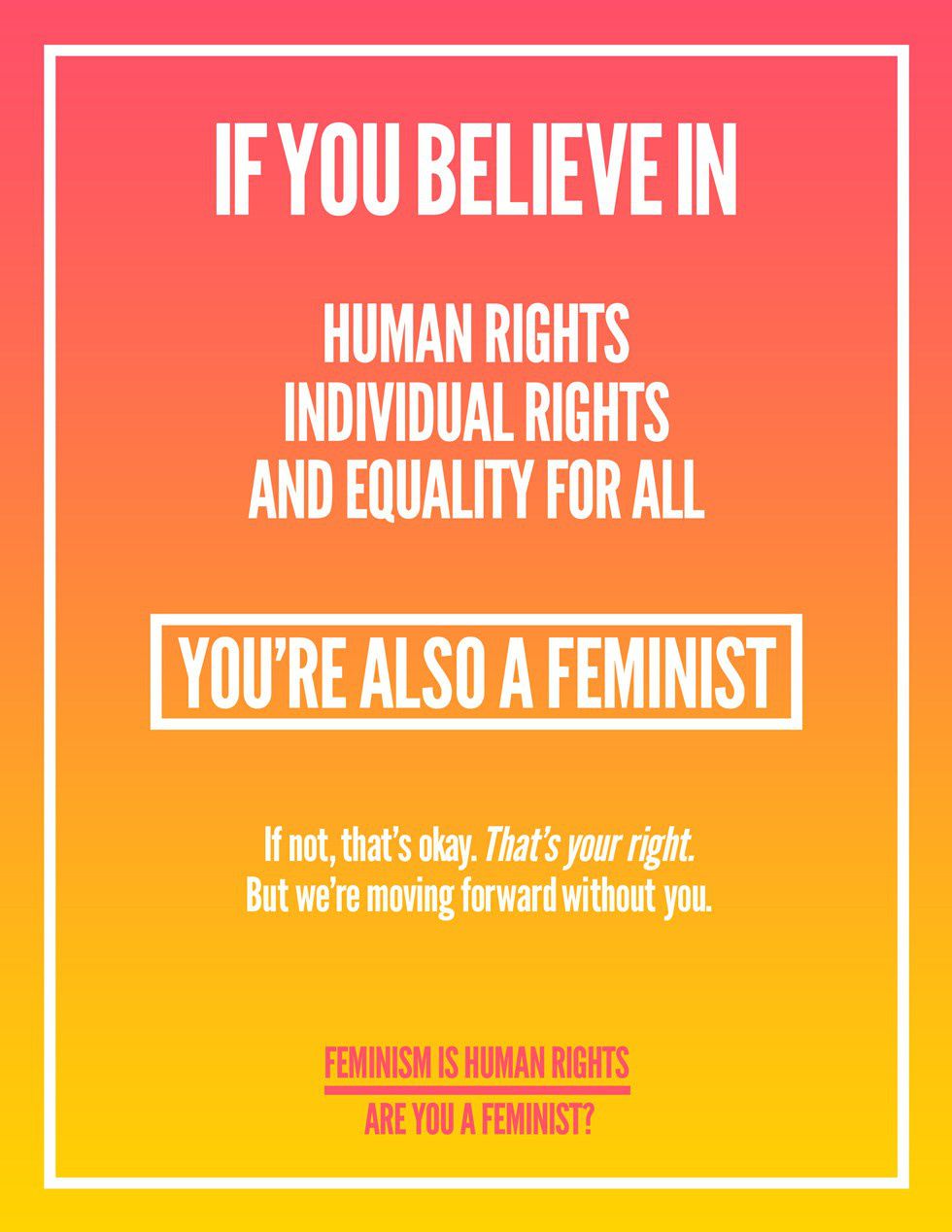
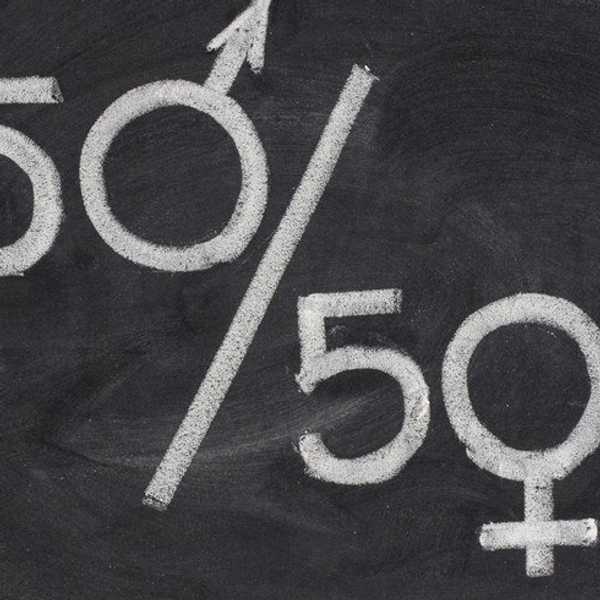
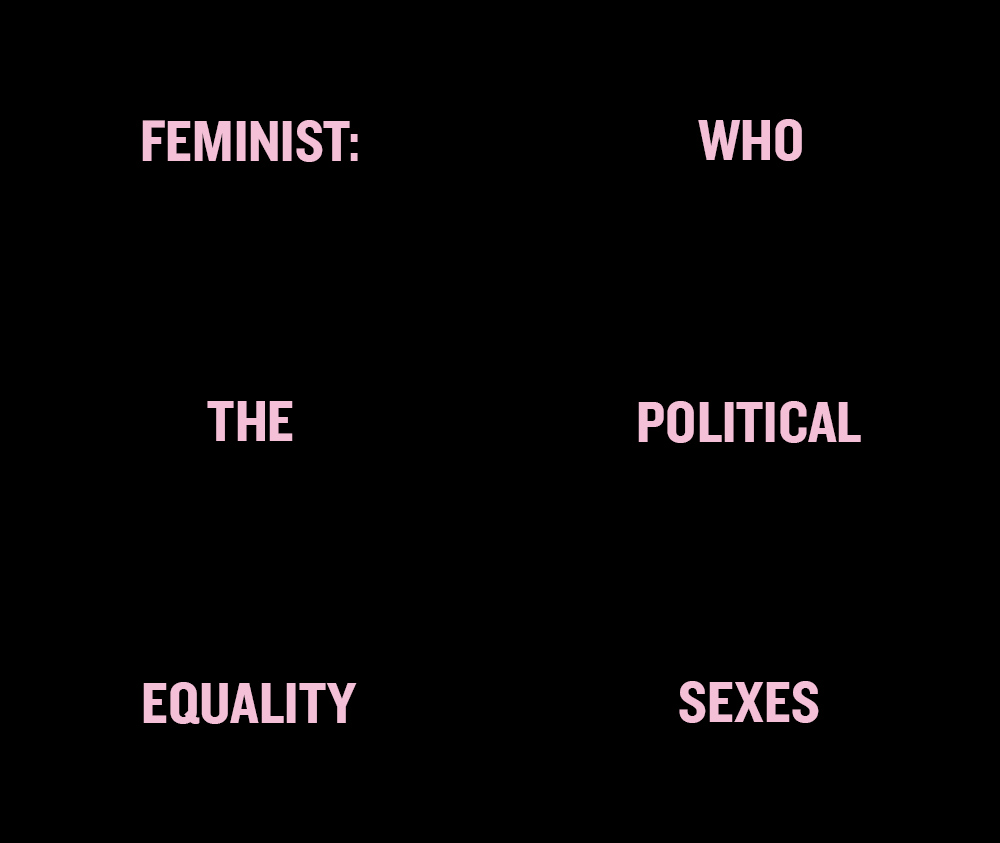
I am, first and foremost, a believer in the social, economic, and political equality of the sexes.
That is literally the definition of feminism.
I am not, however, close-minded. I understand that, in the past, feminism has had its faults. There are certain (rather silly) stigmas attached to those who label themselves as feminists:
- Lesbians
- Only women
- Bra-burners
- Don’t shave armpits
- Don’t shave legs
- Don’t shave, period
For the record, it’s completely, completely fine—scratch that—absolutely wonderful if you identify as a lesbian, as well as a feminist. (Sexuality is a spectrum—there’s a gender studies lesson for you all.)
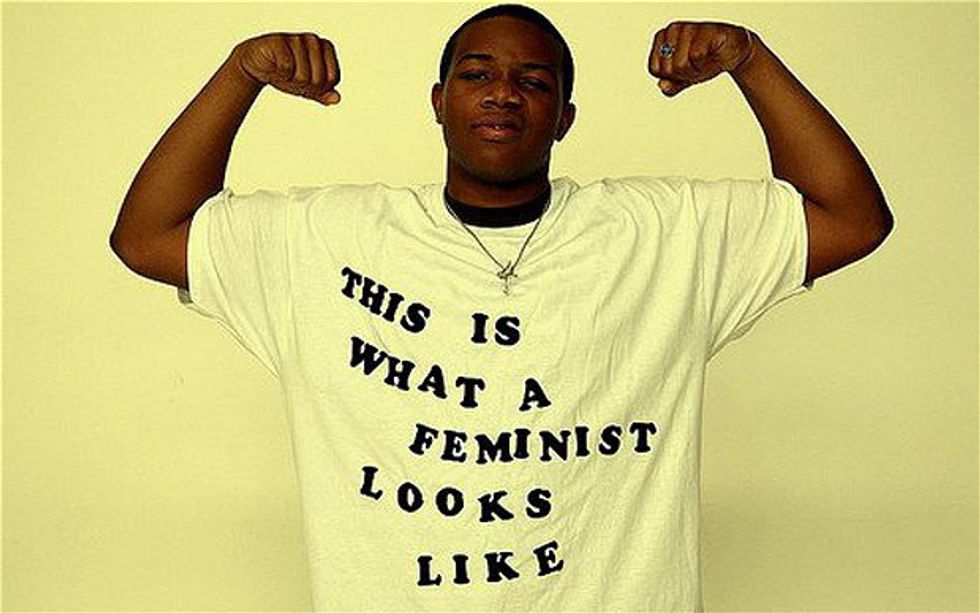
And, obviously, men should be feminists. That's a given. So can any other sex (another gender studies lesson: there are more than two sexes). If a feminist believes in the equality of all the sexes, why wouldn't people of every sex identify as feminist?
I’m super into freeing the nipple, so if you want to publicly burn your bra in a trash can soaked in gasoline, you go, girl (although bras are suspiciously expensive). Or if you just want to tuck your Victoria’s Secret purchase into your drawers, put some Band-Aids on your nipples, and call it a day, that’s cool, too. Or if you enjoy feeling the support of a bra once in a while (honestly, I love wearing my rainbow bra, mainly because it’s a rainbow bra), that rules. It’s also perfectly fine to never shave. Jesus, I wish I had the confidence to break free of gender stigmas and stop slaving over shaving my legs every few days in the summer. You’ve all seen hair before, guys.
The point I’m trying to get at is: it doesn’t matter how you choose to label yourself—or not label yourself! Anyone can be a feminist.
But, of course, there are the more troubling stereotypes that accompany feminists, those that prevent people from identifying as feminist:
- Man-haters
- Anti-marriage, anti-family, anti-domesticity
- Unaccepting of people of color
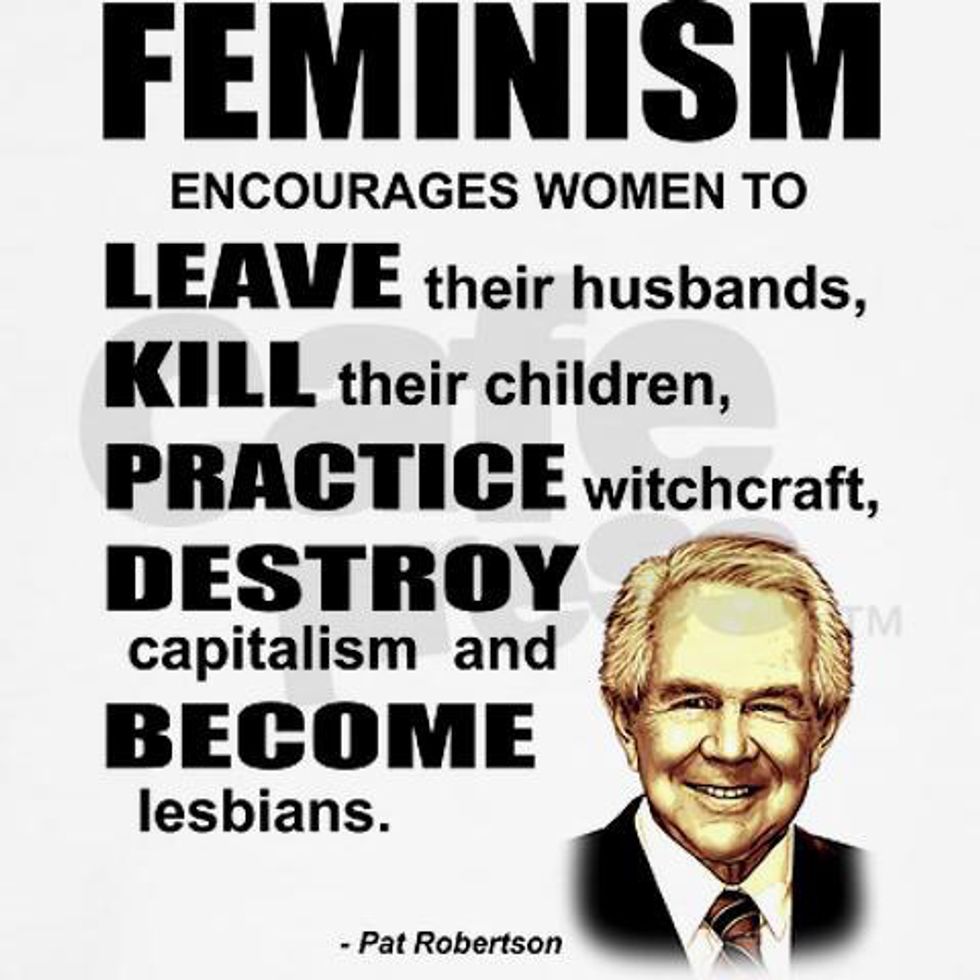
All of these stigmas are rooted in valid history. There were, back in the 1960s (the Second Wave of feminism), women who identified as feminists who did, unfortunately, fit these stigmas. There were plenty of women who chose to ostracize men from the feminist movement. I won’t delude myself—I’m sure that there are women out there who generally dislike men just as, I’m sure, there are men out there who dislike women.
This is, of course, not feminism! If you do not include men in the feminist movement, how could you possibly make a positive change in the world? Feminist social activist and icon bell hooks wrote that, because men are the root of the patriarchy, we cannot possibly topple it without their help—they should be, instead of enemies, our “comrades in struggle.”
Women who believe that females are superior to all other sexes are female supremacists. People who believe that all of the sexes should be equal are, at its most basic level, feminists.
There are “feminists” who say that it is not very feminist to be married, to have children, to choose the domestic route. Why? As long as you’re not submitting to your partner and allowing him/her to walk all over you solely because of your gender, how is this not feminist? Yes, the stigma attached to women as purely domestic creatures is wrong.
Women are not solely meant for childbearing, for cleaning up after their husbands, for foregoing their hard-earned jobs for the sake of their families. But if a woman chooses to do this, then that is—guess what—her choice. Is it the route I’d choose for myself? No. But as long as these women know that there are other life options out there, then I can’t possibly say that they’re wrong.
People of color have felt ostracized from the feminist movement for quite a while. This actually goes back to the suffrage movement in the First Wave of feminism back in the late 1800s/ early 1900s. Feminist leaders were unhappy with Emancipation leaders (such as Fredrick Douglass, who was constantly at arms with Susan B. Anthony and Elizabeth Cady Stanton) for prioritizing the rights of African-Americans over the rights of women. Ever since then, black leaders and feminist leaders have had a difficult time coming together and bridging the gap between their two movements.
Without intersectionality, feminism is nonexistent. Feminists must acknowledge the racial, ethnic, class—you name it—experiences of all sexes in order to truly call themselves feminists. This, of course, has led to different subsections of feminism—black feminism, trans feminism, hip-hop feminism—and different associations with the word itself.
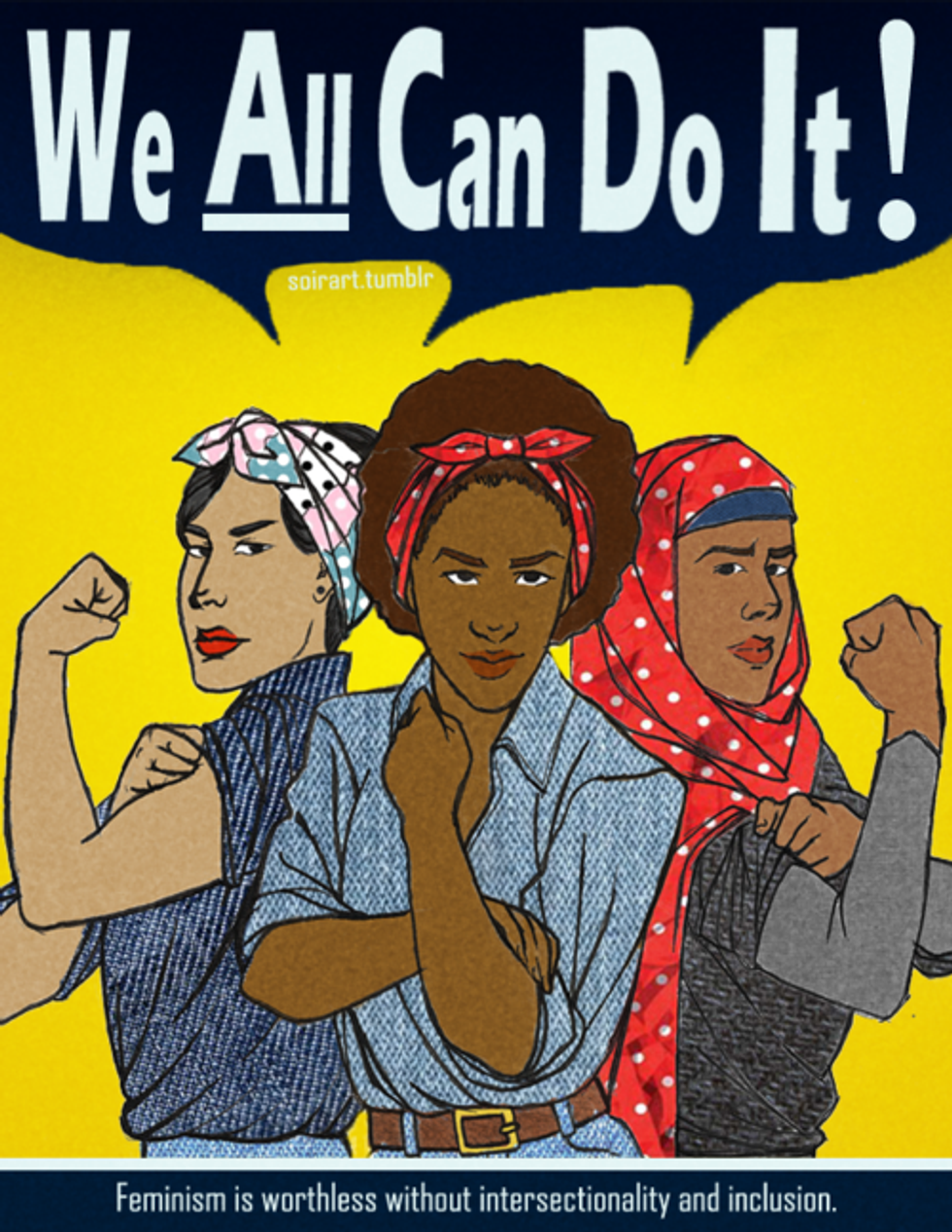
So, with all of its problems, why is feminism even a thing? Why do I identify as a feminist?
All I want is for the negative stigmas and stereotypes associated with feminism to vanish. If I completely disregarded feminism, then that would mean that there would fewer people to defend what feminism actually stands for.
You can’t be in a movement without preaching the movement. It doesn’t work that way. If you’re not constantly reinforcing your principles of equality and justice and—hopefully, in a polite manner—teaching them to other people, it’s hard to make a difference.
You know what feminism is, to me?
Feminism is the belief in the inherent equality of the sexes, no matter their situation. And if you don’t believe in that, then you’re the reason why feminism, flaws and all, needs to exist.