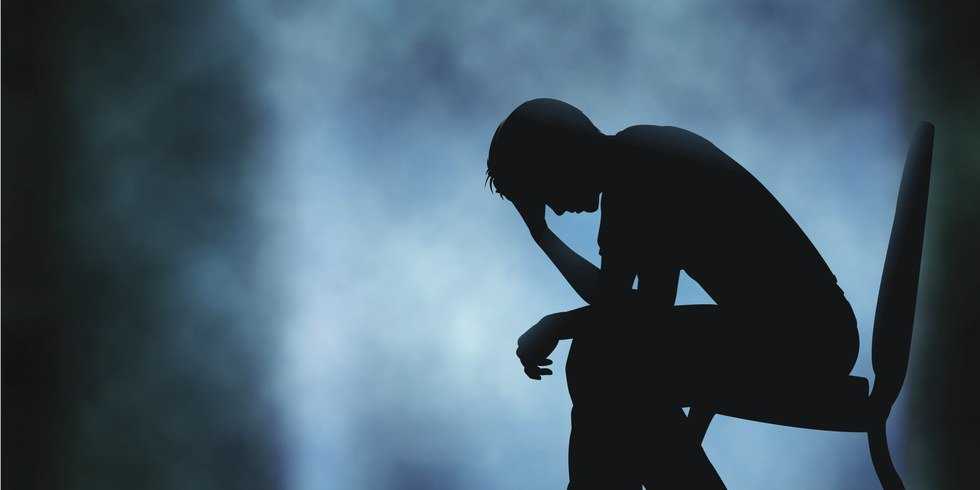
For those of us who suffer, we have a hard time explaining to those around us why we are the way we are. They don't know how to comfort us or how to react when our illness takes over. Then there are those that say, "It's not that serious, are you sure you're not just sad and nothing more?" Sometimes, this struggle is the greatest of everything that comes with the illness. How do we get those around us to understand something that has never affected them? As someone who has asked myself this question during my bad episodes of depression and awful anxiety attacks, I have found 11 key points that I feel the mentally healthy should know about mental illness.
1. Once diagnosed, it can be treated but never cured.
This is why some of us choose to never get a legitimate diagnosis. We know that we will live with this for the rest of our lives, so why bother going to the doctor to have them tell us what we already know? Yes, medicine that will help at least 90% of the time is nice ...
2. But the treatments don't work everyday.
We all have bad days, but our bad days are bad. Sometimes, it seems our disease is way worse on our bad days than it was before getting medicine. It's something you have to understand that it's an every day struggle, and those bad days simply means the other side of us got the high end of the deal that day.
3. It's a complicated relationship between the brain and the heart.
We tend to have the strength to know exactly what is happening to us, but we are too weak to put a stop to anything. Our heart says "move on, this is just a bump in the road," while our brain says "this is the worst thing and you are going to freak out for hours or even days."
4. Depression and anxiety are like snowflakes. No two diseases are exactly the same for each person, but they share major attributes.
Basically, the medical definitions are close to the same for each person: some feelings associated and what is physically happening in our bodies. But the similarities end there. The treatments, what causes it, what can make them better or worse; they are all different for each person. For example, I'm going to guess I'm one of few people who attack my anxiety head-on instead of avoiding the cause of the problem. But no one handles it the same way. And we can't be judged for that.
5. Symptoms can be triggered within seconds.
What you might call "heavily emotional" might be the case, especially if we are bubbly one second and extremely introverted the next. But you never know what's going on inside of our brains at that moment. So, think twice before you call us too emotional. There might be a reason for that.
6. When we answer the "What's wrong" question with "I don't know," we truly don't know what's wrong.
There will be times where something specific caused our uproar and we can pinpoint exactly what it was. But, we don't usually know. And that's what makes this disease so difficult for us. We can turn into a completely different person, and we don't know how those around us are going to act.
7. Sometimes, the biggest problem is how you will react.
Do we repress, or do we tell the truth? This is the hardest question we start asking ourselves when these diseases flair up. This honestly can cause a much bigger emotional roller coaster than whatever caused it in the first place. We don't want to scare you away or feel like you are judging us or you think we should be ashamed of how we feel.
8. Whether we close ourselves off or choose to vent, show your full care and love for us.
The last thing we want to know or even think is that we are being an annoyance. This is why many of us close ourselves off, as talked about above. Be mindful of you body language and facial expressions (those are strongly noticed and analyzed by us), put your phone down, and do what you can to truly listen without your mind wandering. If we ask for advice, please be honest, but don't feel as if you have to tell us something extremely empowering. If we choose to close ourselves off from talking or affection, sometimes someone just sitting next to us in silence is the best kind of support we could ask for.
9. If we come to you for support and you are having a bad day yourself, we may not be sympathetic.
It's unintentional, we promise. Chances are we feel your emotions a lot more strongly than others will because we don't want to see you go through what we have to live with. And it may take us some time to realize and accept why you aren't being sympathetic either. During any flare up, we feel our pain is the worst thing in the world, so that can explain the lack of sympathy from our side.
10. Mental illness affects every aspect of our lives.
Because it can be so easily triggered and it's incurable, we are constantly watching out, waiting for something to happen to us. It's how we have to live. We might think we have it under control, then all of a sudden it becomes uncontrollable and it might take us a bit for it to be under control once again. And this is our continuous cycle through life.
11. It's one of the worst diseases out there and should be taken more seriously.
It may not physically kill us, but the mental pain breaks us inside to the point where we feel like death is approaching. While diseases such as cancer should be getting more attention for treatments, mental illness should be a part of everyone's education. If it doesn't effect you personally, there's a 99% chance you know someone who does. While we feel you will never truly be able to understand what's happening to us, it would mean so much to us if you had taken time to figure out what has made us tick. All we ask is that you support us when necessarily and do not ever judge us for how we feel.
From all of us who suffer, thank you.