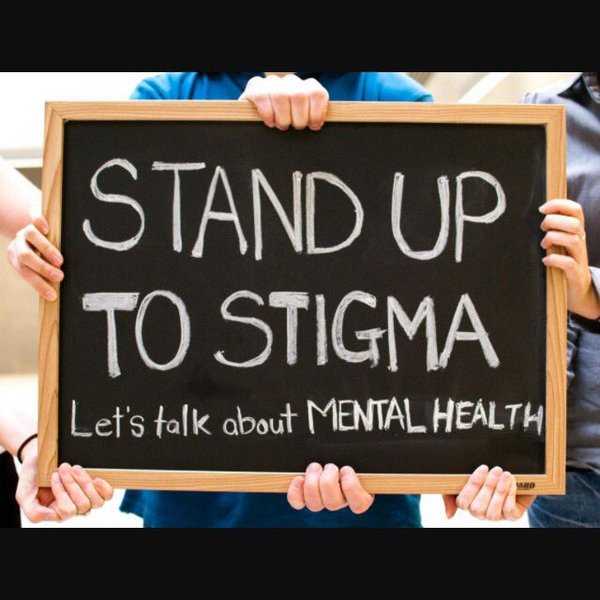
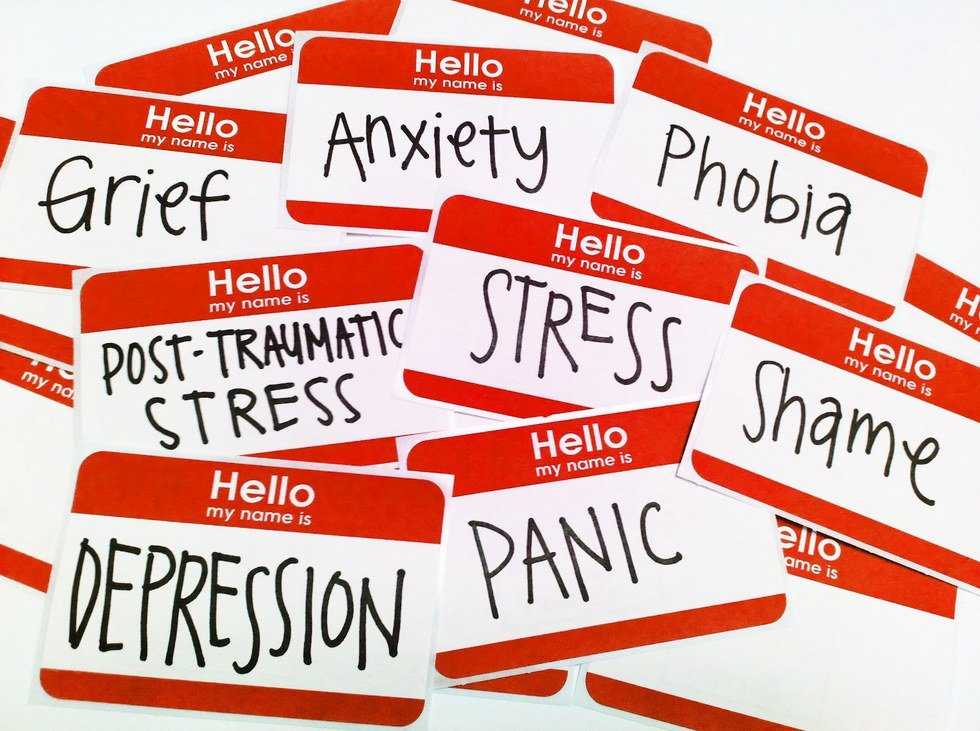
We’ve all heard it: “She’s so bipolar!”, “Oh my God, I’m so OCD my notes have to be neat.” and even “What a psycho!” We often times say these things without really thinking what they mean or what impact it has on the mentally ill community.
So what do all these terms mean? Obviously we know that just because we like our rooms kept up doesn’t mean we have OCD, or just because we might get mood swings doesn’t mean we have bipolar depression, but what does it actually mean to live with these mental illnesses? Because for the most part what society sees these disorders as is not what they actually are, and continuing to portray them the way that they do is creating stigmas around mental disorders and is why only one in four people with them get treated for them. Knowledge is the enemy of prejudice, so let’s learn a thing or two.
Starting off let’s talk about bipolar depression, otherwise known as manic depressive illness. This is probably one of the most misunderstood disorders. When most people hear “bipolar” they think of a person who is constantly changing between happy and sad or angry. It is often used in society as a term to describe someone who changes their mind or moods often. Bipolar depression is broken down into two parts: depression and mania. Whereas the depression is always present, bouts of mania come and go in sort of a rhythmic pattern. A manic episode is described by the National Institute of Health by “feeling very ‘up,’ ‘high,’ or elated, having lots of energy, having trouble sleeping, becoming more active, being irritated, and doing risky things, like spend a lot of money or have reckless sex.” Different combinations of the depression and mania in different severities and time intervals can determine what kind of the four types of bipolar depression what might have.
Some manic episodes are so severe that one can end up in the hospital for it. Carry Fisher, also known as the actress who plays Princess Leia in the blockbuster series “Star Wars,” has been diagnosed with bipolar depression and has been speaking up about it since she was working on the films. She’s often spoken about what it does to her saying the mania just makes her go faster, her mood doesn’t constantly change she just sometimes goes faster. She also gives advice to other people suffering with the illness saying, “At times, being bipolar can be an all-consuming challenge, requiring a lot of stamina and even more courage, so if you’re living with this illness and functioning at all, it’s something to be proud of not ashamed of.”, it’s her mission to make sure people know that it’s okay to have a mental illness and that they shouldn’t feel or be treated differently than anyone with any other kind of illness.
Another misconception is what OCD is and how it affects a person in the normal course. Most people think of characters like Emma Pillsbury, who because of a traumatic incident have to be clean and orderly all of the time. Whereas there is more truth in this conception than most other diseases it is still inaccurate. Obsessive Compulsive Disorder affects about 3.3 million people in the US alone, and it shows itself very differently in those millions of people. Now according to Ms. Pillsbury she got her OCD after a traumatic accident when she was little, this is completely possibly yet for one to show signs of the disorder after trauma, they need to already have the genetic predisposition to the disease and the event acts as a catalyst much like depression or PTSD.
The most common misconception around OCD is that it’s usually the need to be clean all of the time. Everything needs to be in order, nothing out of place, nothing with a smudge or a stain or a mark on it. Where this can be how the disease shows itself in many patients, it’s actually based off of obsessive thoughts that lead to repetitive behavior, or compulsions. If you’ve ever had a compulsion, even without OCD, you’d know that they are very hard to stop. You just need to pick that scab or touch that button and you’re brain won’t let you be until you do. Well that’s a small window into what people living with OCD have to deal with on a regular basis. They can’t carry out their day without touching the doorknob exactly seventeen times. They can’t control the thoughts and acting on them only brings temporary relief from the constant anxiety that is brought along with the disease. This is a very serious disorder and often times requires hospitalization. So please think before you call someone OCD just because they don’t like germs.
Schizophrenia is a disorder where reality is interpreted differently. It often times leads to great paranoia in that people are out to get them or following them. It is often met with hallucinations which are extremely life like and convincing. It can even cause motor function issues which is why schizophrenics are often depicted twitching. The severity of episodes can vary but schizophrenia can be debilitating, making it nearly impossible to do everyday tasks. It can also be functioning, especially when treated. Most people when thinking of schizophrenia, don’t quite think of Spencer Reed’s mom from the popular TV show “Criminal Minds,” a show where a team of FBI investigators track down serial killers. Spencer’s mom who suffers from schizophrenia in the show is quite functioning for most episodes, she’s taken care of in a home and Spencer comes and visits and they often times have normal interactions. Yet the more popular view of people like Mrs. Reed comes from the other side of the show, the serial killers who sometimes unfortunately have schizophrenia. They have delusions that sometimes involve voices telling them to destroy, burn, or even kill certain people for a whole host of reasons. There is a common connection made with the disease and voices, usually that ‘the voices’ tell them to commit certain crimes, and usually kill. Where different people can be a factor in ones delusions, it’s not always the case.
The vast majority of people affected by the illness are not in the slightest violent. The idea that they are is extremely hurtful to them, it makes it harder for them to talk about their illness without harsh judgement or even social repercussions. Instead of fearing these people try to empathize with how hard it must be to not be able to trust their reality. Understanding goes a long way.
It is also often thought that psychopaths are all violent as well. Psychopathy is a personality disorder in which one does not possess a conscience or empathy. They are very common in society and often times just come off as being very self-centered. About one percent of the general US population are psychopaths, most do not have any violent tendencies. Even though all serial killers have been found to suffer from psychopathy, not all psychopaths are serial killers. Traditionally these people just manipulate others for personal gain. They are incapable of having real relationships due to their disorder but they can fake having friends, families and positive coworker experiences in order to somehow benefit themselves whether it be for more money, a higher social status or a promotion.
Though there are many mental illnesses that get bad reps, dealing with them in society can basically be summed up one way: understanding. Before you make a joke you should know what you’re actually saying and who you could be offending. Mental illnesses aren’t visible, you could be hurting friends or family by calling that moody teacher bipolar or that kid who talks to himself a skitzo. If someone does open up to you about their mood or personality disorder, listen to them, try to empathize, and of course do some research. Education is the enemy of prejudice. Living with mental illness is extremely hard, so having people around you that can support you and don’t just assume you’re off your rocker or violent is so helpful. And by expressing that these illnesses are okay to have, you’ll help others to take a step forward and get treatment. End the stigma.