
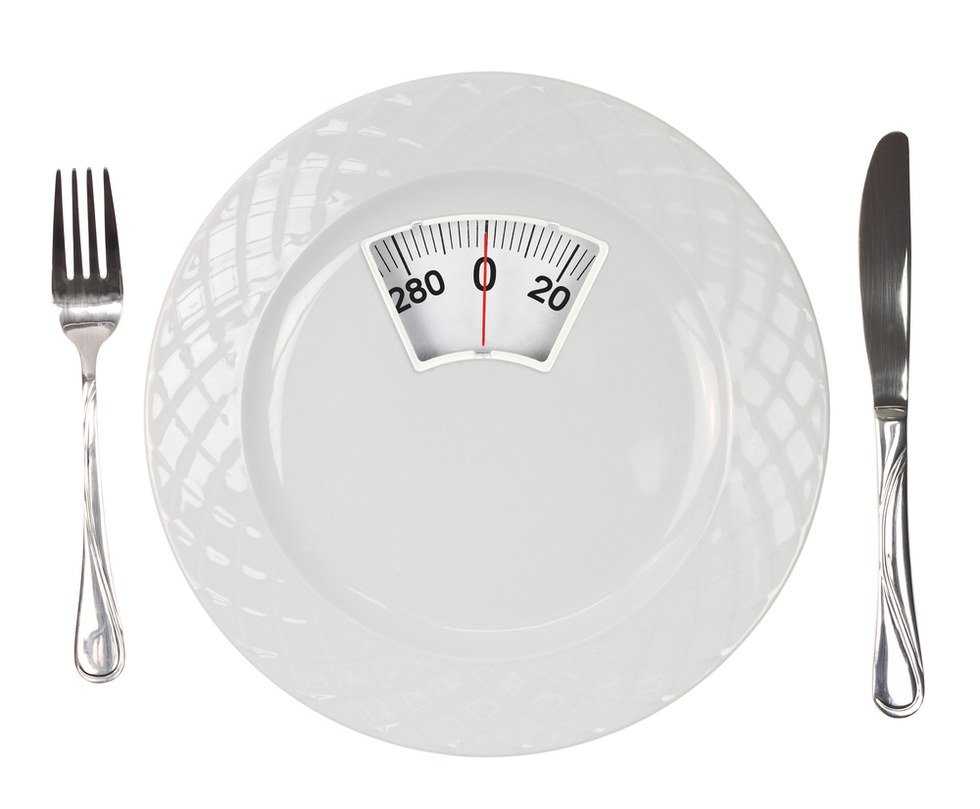
At 10 years old, the only stress a kid should have is whether or not their mom will give them an extra five minutes playing outside.
But when I was 10 years old, I was concerned about my weight. Many of the girls in my fourth grade class were smaller and skinnier than I was. I would notice this on the playground, in the classroom, and especially in the cafeteria. I was the kind of girl who always ate all her food, and was always hungry, until I saw girls in my class picking at their food and not eating everything they had in their lunch boxes. I eventually stopped wanting to eat in front of my peers, because I felt embarrassed that I liked food so much.
In middle school, my body issues only grew worse, and gym class was a mutated form of pre-teenage hell. I watched so many people with narrow waists and lithe legs run a faster mile than I did, even though I was athletically fit and playing club volleyball three or four times a week.
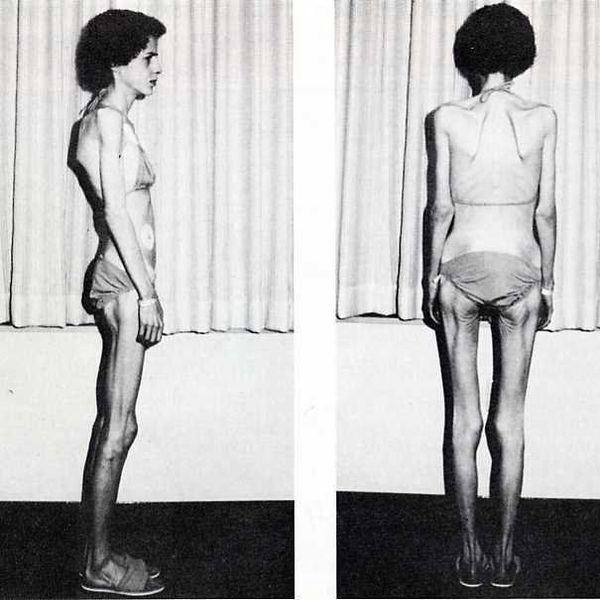
During high school, my body issues took a new form in binge eating. I would starve myself in the early part of my day. To keep myself from eating, I would peruse pro-anorexia or bulimia pages on social media. Then when I came home, I would eat everything I saw because I was so hungry. Several times, I was so disgusted with this habit that I wanted to throw everything up. I was very, very, very sick during this time and only now at 19 have I been able to fully recover and understand what was really happening to me. I was letting the outrageous ideals of the media define me, and my beautiful body, as an object.
I turned my dissatisfaction with myself onto people I was jealous of, I judged them harshly and mostly for no reason other than they were smaller than I was. Looking back now, it's hard to understand how I expected to be pretty by acting so ugly to myself and to other people.
I'm so thankful to the people in my life that stood by me and helped rid me of the monster that was my eating disorder. I am happy to say that I've successfully been able to move on, and have a healthy relationship with food and my body. I am able to eat in public places without anxiety, and I don't starve or unhealthily regulate how much I eat. I even work in a restaurant.
The reason why I've shared my story is because this week is National Eating Disorder Awareness week (NEDA week), where the National Eating Disorders Association aims to bring mindfulness and understanding to eating disorders and their causes, dangers, and treatment. Some people aren't as lucky as I am, and that's why NEDA week is crucial to the destigmatization and awareness of eating disorders. This week is especially important to the young female population, since they are 95 percent more likely to develop eating disorders between the ages of 12-25. However, statistics show that eating disorders start much earlier then we may have thought.
- By age 6, girls start being concerned about their weight or shape.
- 42 percent of first to third grade girls want to be thinner.
- 81 percent of 10-year-olds are scared of becoming fat.
- 40-60 percent of elementary school girls (ages 6-12) are concerned about becoming too fat.
- As a result, 35-57 percent of adolescent girls start crash dieting, fasting, and taking self-induced diet pills/diet pills/laxatives.
There are also statistics that prove the beauty industry is a direct source of body dissatisfaction – 69 percent of elementary school girls say that pictures in magazines influence their impression of the ideal body shape, and 47 percent say the pictures make them want to lose weight.
We need to wake up from this media constructed ideal of the body. There has been large support and promotion for the body positive movement as of late, but I think media is not responding - the glorification of a few plus size models does not make the body positive movement anything more than fashionable to the industry. While it's awesome that designers at New York Fashion Week, have been including plus size models, the practice of this philosophy is still in need of some work. Recently, even Mattel got the message that one size does not fit all by making a new collection of Barbies with all different kinds of bodies. But this beauty is still limited to how people look.
This demand for diversified beauty starts at our level, by accepting that beauty is not an earned right. Beauty begins the moment you are born into this world. Beauty is the manifestation of you, and your quirky traits. These make you beautiful. Beauty is the way you smile with joy after scoring an A on that really hard test. Beauty is the cackle of a laugh you might have. Beauty is under eye bags. Beauty is eating the whole bar of chocolate. Beauty needs to be represented as being so much more than the way your body looks -- because beauty is not within the eye of the beholder; beauty is within you and every wonderful piece that makes up your existence. Something as measureless as beauty cannot be squeezed into a concept so limited as body size.
This week, three minutes can really save a life by taking an anonymous online screening offered by NEDA. This screening determines whether or not it is time for you to seek professional help, and if you have an eating disorder that is going undetected. NEDA also has a ton of online resources, even some to help you reach out to someone who might need help.
UCF is having several wonderful events for NEDA this week, including a panel discussing the impact of eating disorders across cultures, hip hop cardio and yoga, and a free self-guided workshop encouraging body acceptance.