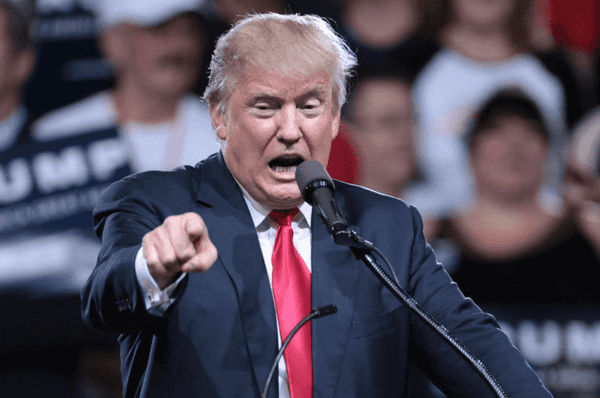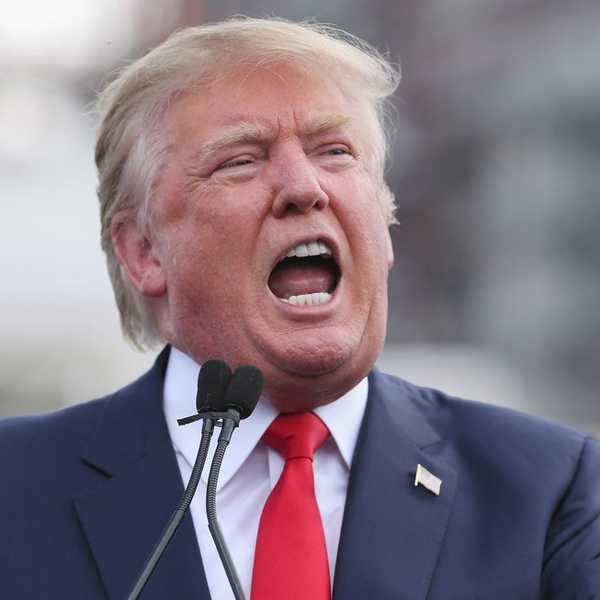

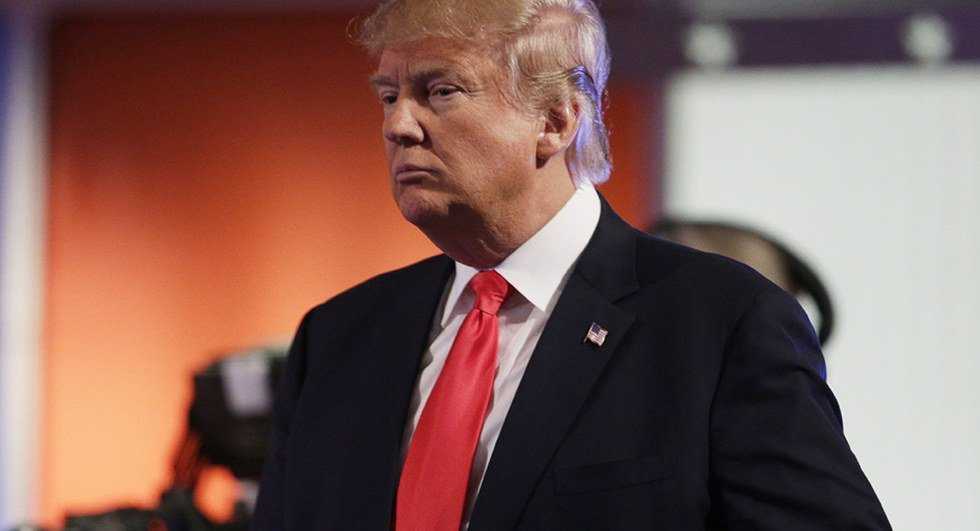
Let's start with a little disclaimer: I think Trumps going to be an atrocious president and I have a lot of concerns about his presidency. Narcissism, competence, temperament, and long-term policies are just a choice few. As a foreign policy nut, a lot of these hit close to home. Will he create a cohesive foreign policy strategy? Will he be able to choose competent advisers? Even if he chooses them, will he actually listen? It is very important, however, to separate truth from hyperbole. Right now we don't know much about what type of president Trump is going to be, so instead of falling into fear for the unknown, let's analyze what we do know. Yes, I wish he wasn't president (yes, I know he technically isn't yet, but I'll get to that later), but we need to accept the fact that he will be. You've all heard a lot of reasons to be concerned about a Trump presidency. That is why I'm going to focus on the reasons it might not be as bad as you'd expect.
1. The Supreme Court.
The Supreme Court will be split, not controlled by Republicans. I've recently heard people complain about how the Republicans will soon control all the branches of government including the Supreme Court. First, this thinking is dangerous because it encourages partisanship within the Court. Yes, this might be unavoidable, but spurring it further trends towards the de-legitimization of our judicial system. Already Congress has incredibly low approval ratings, and this frustration with "the establishment" has helped propel outsiders like Trump. Secondly, remember that whoever is put in place by Trump will replace Scalia, a hardcore conservative on almost all issues. Rather than creating a swing in the judicial balance of power, it will merely return to the former equilibrium. This will be very similar to the set of judges who legalized gay marriage. Additionally, democrats can filibuster a far right candidate (using the republicans refusal to nominate Obama's candidate as justification), forcing him to pick a center-right candidate as opposed to a far right one.
2. Republican Control of Legislature.
Yes, Republicans do control the House of Representatives and Senate, however, this does not give them unlimited power. First, there is already contention within the Republican Party, especially including House leader Paul Ryan and a number of other establishment and more moderate figures. Trump's ideas, such as his one trillion dollar infrastructure initiative and anti-free trade policies, will face strong opposition from house Paul Ryan, Mitch McConnell and many traditional pro-private business republicans. Not to mention this will only expand the gap between more extremist tea party members, and Even if the Republicans manage to come over past grievances and work with Trump and each other, they still need to pass through the Senate democrat filibuster. The democrats hold 44 seats, and independents hold two. In order to beat the filibuster, they will need to pull 4 democrats and both independents across the isle. This will by no means be an easy task.
3.The executive branch.
This is perhaps the most concerning area and where the most unknowns come into play. This includes executive action, foreign policy, and yes, there are a lot of legitimate and very scary concerns regarding his temperament and foreign policy choices, but remember the golden rule of government: never underestimate their ability to not get things done. Bureaucracy and red tape are a force unto themselves.
4.The democratic process.
There are a number of people who have been arguing that Hillary should have won the election because she received the majority popular vote. I entirely agree. The electoral vote is silly, unnecessary, and undemocratic. There are almost no viable reasons for its continued existence. However, protesting and claiming that Trump is not our president is undemocratic. I wholeheartedly wish this was not the case, but we can not deny that he is (or should be, as technically the electors have not yet voted). Our system of laws and governance have allowed for Trump to be president. We can not ex post facto change out voting system, nor should we encourage electors to negate the democratic will of the people; either of these would set a terrifying precedent. Imagine the effect if electors started refusing to acknowledge whatever they were told to by voters? We can not risk the de-legitimization of the American democratic system out of anger and fear.
5. Extremism spurs extremism.
No one likes being treated like an idiot. When progressives and liberals look down at Trump supporters as being stupid, backward, and racist, it only spurs a larger gap in ideology. This reaction pushes moderates towards the other side and increases the gap between the two ideologies. This gap cyclically expands. Each group views the other as even more ridiculous, more racist, or more righteous, and the problem gets worse and worse. Righteousness and anger will not solve the problem. Maybe we aren't at the point where we can get over the hurt and sense of mourning which we still feel about the election, but that feeling can not be permanent. If we actually want to come together as a nation, we must engage with each other with an open, not closed mind. By reacting with frustration instead of some level of soul-searching or attempt to understand on an even partly respectful manner, we're only perpetuating the very crisis which we want to overcome. Is not intolerance for the intolerance of tolerance hypocrisy?
America's still the same country is was before the election. Yes, we will face many challenges in the coming years, but these can and must be overcome. Righteousness is a problem, not a solution.