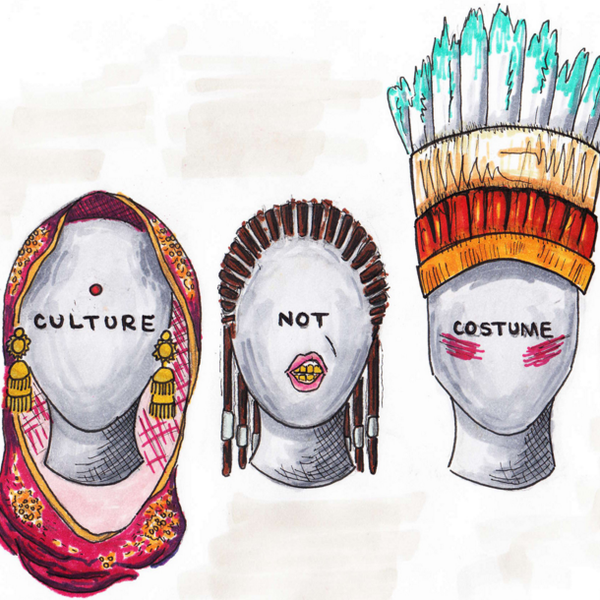
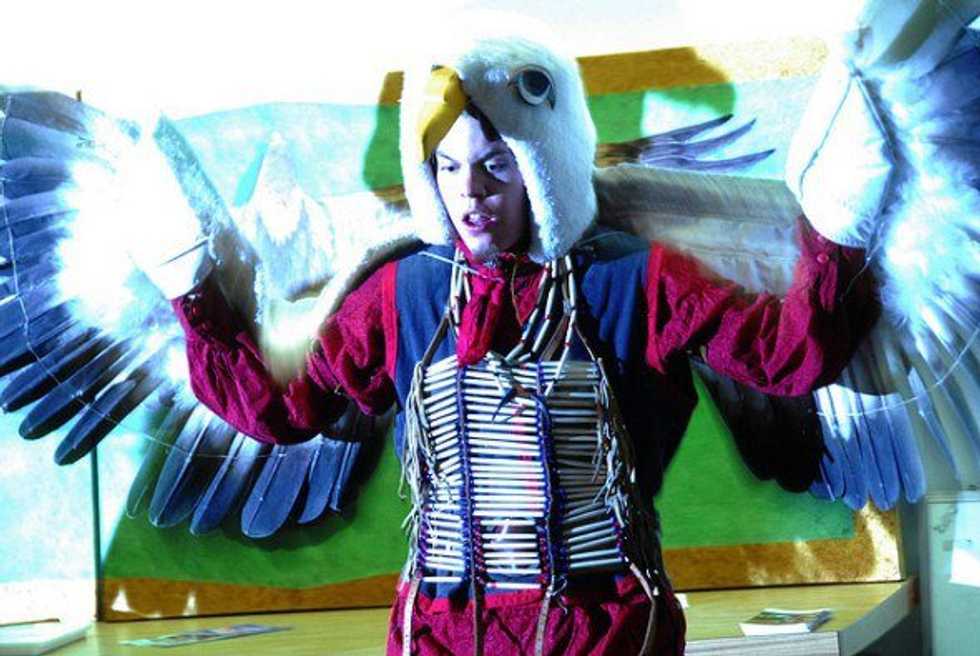
The majority of the Southwestern Native American community has recently argued the latter after a series of pictures were posted to the closed social media group, Southwestern Pueblo Indian People. The numerous pictures posted showcased the Boy Scout group dressed up in Native American attire and performing traditional dances. The images circulated like wildfire throughout the Pueblo, Hopi, and Navajo communities via social media throughout the month of December 2015. One picture in particular showed the group even went so far as to pay $10,000 to build a replica of a Pueblo kiva, a place held sacred.
The Koshare Dancers are a group formed under the RMC, Boy Scouts of America in La Junta, Colo. The group was created by an interest in "Indian lore" and “visionary” by Scout’s Master, JF Buck Burshars. The group was later self-dubbed an “integral part of Pueblo Indian Culture.”
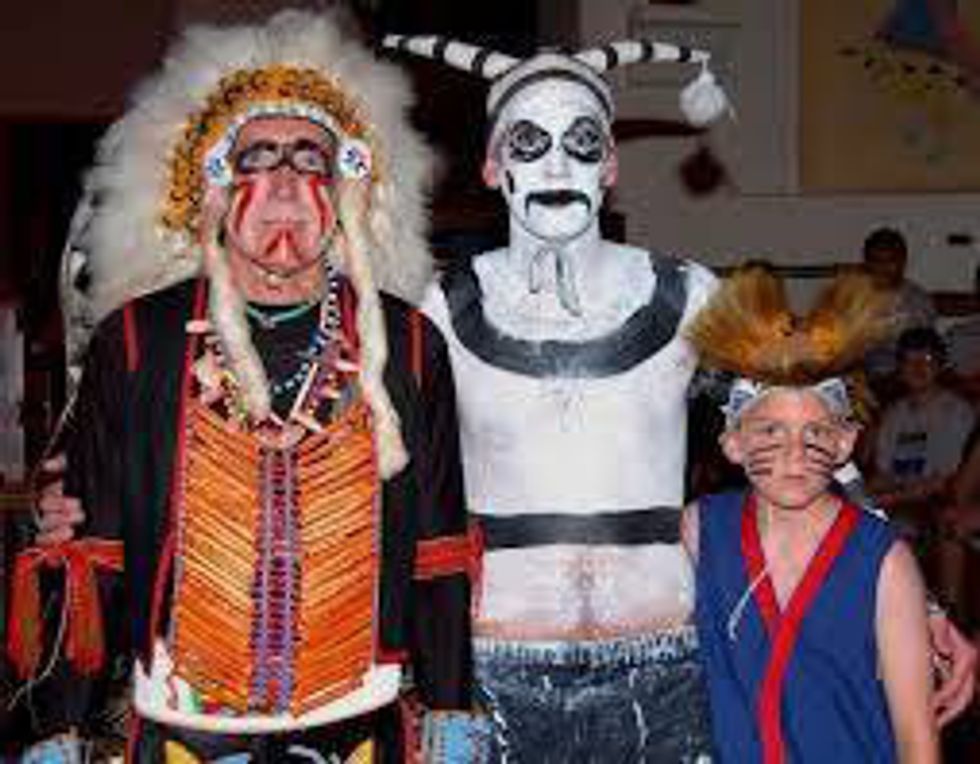
Mind you the majority of the dancers are not Native American, but yet perform between 50 to 60 shows annually, and anywhere in the world; not only that, but admission is $10 for adults and $5 for students. In other words, the Koshare Dancers are earning a profit for each show they perform and each attendee as they continue to exploit Native culture.
The Boy Scouts are a known honorable, respectable group. From personal experience, dancing and participating in traditional doings are empowering and heartfelt. There is a lot of cultural exploration in today’s society as people seek to explore cultures they find interesting, however, the dances and the kiva itself are not for public view. For example, upon entering many of the 19 pueblos, one will find signs reading, “No Pictures, Sketches, Recordings, etc. Allowed.” Some pueblos go as far as closing off their village when dances occur, leaving a clear message of desired privacy.
There is a time for every dance and in dance, there is preparation and meaning behind the songs and attire of the Southwestern Native American People. Behind the scenes of the beautiful dances are heart and physical preparation carried out by both men and women. For years, Native people have withstood the negative stereotypes and the repercussions of colonialism. Through it all, there remained good in the form of dances, singing, and active participation in cultural activities. The actions displayed by the Boy Scouts are arguably unfair as they only embrace and acknowledge the good.
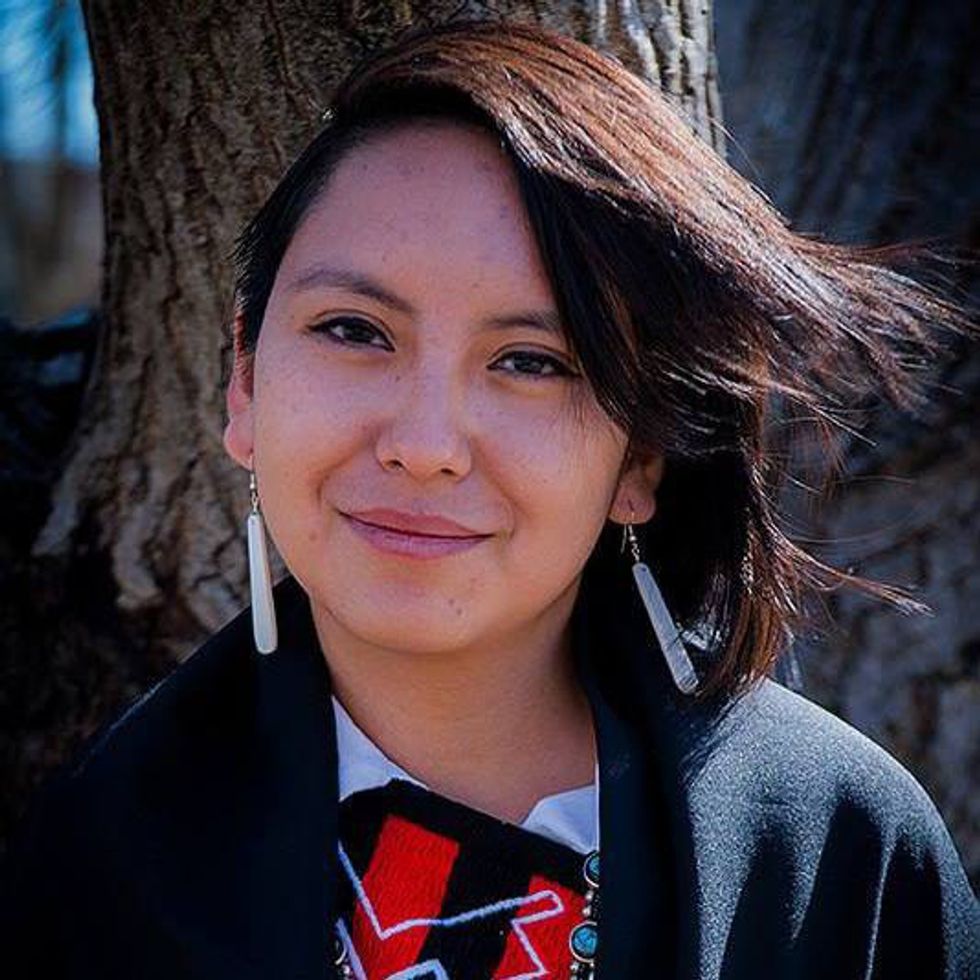
Jaylene Baca, a tribal member of Santa Clara Pueblo, and a freshman at University of Notre Dame, was one among many who took to formal action by writing to the Koshare’s. Baca wrote, “…My people have struggled through genocides in order to keep those traditions you continue to defile, alive… Please, I am asking you, as one human being to another, do not continue to use my culture as a form of petty entertainment. Please let us keep our traditions sacred… Our way of life is not an intended tourist attraction.” After posting her proposal, Baca’s post was widely re-shared among social media and by fellow Natives who also shared her same concerns and sought a resolution concerning the Koshare’s.
The Facebook page for the Koshare Indian Dancers received many negative messages and posts from tribal members who were upset and angered by the group’s actions. Some tribal members contacted their own lawyers and tribal authorities to notify and seek action to stop the group. In response, the Hopi Nation issued a letter to the Koshare Dancers asking them to discontinue their replication of Hopi, Pueblo and other tribes’ dances.
The Koshare Group acknowledged the concerns expressed on behalf of the Hopi Nation and has announced the cancellation of their winter events for the remainder of the 2015 year. But the pressing question becomes will that be enough?
http://www.kosharehistory.org/
http://www.visitlajunta.net/koshare.html