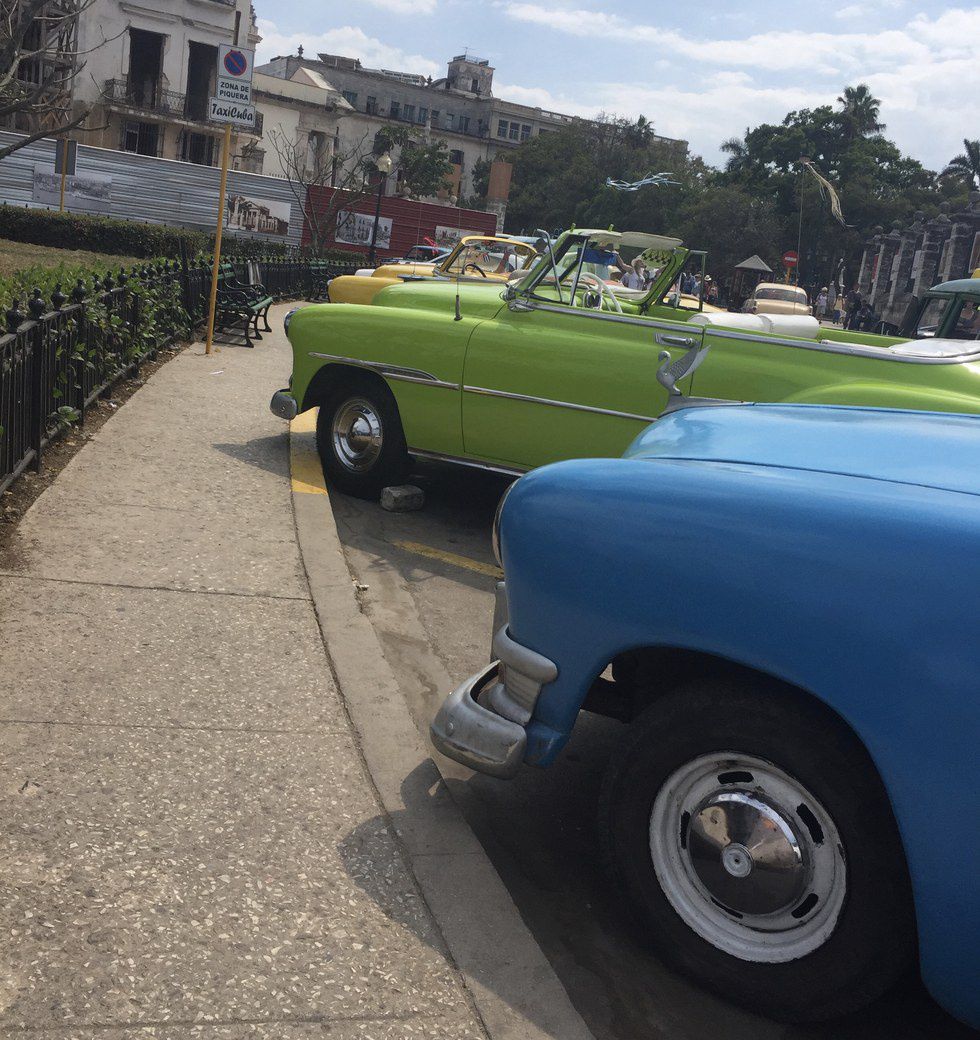
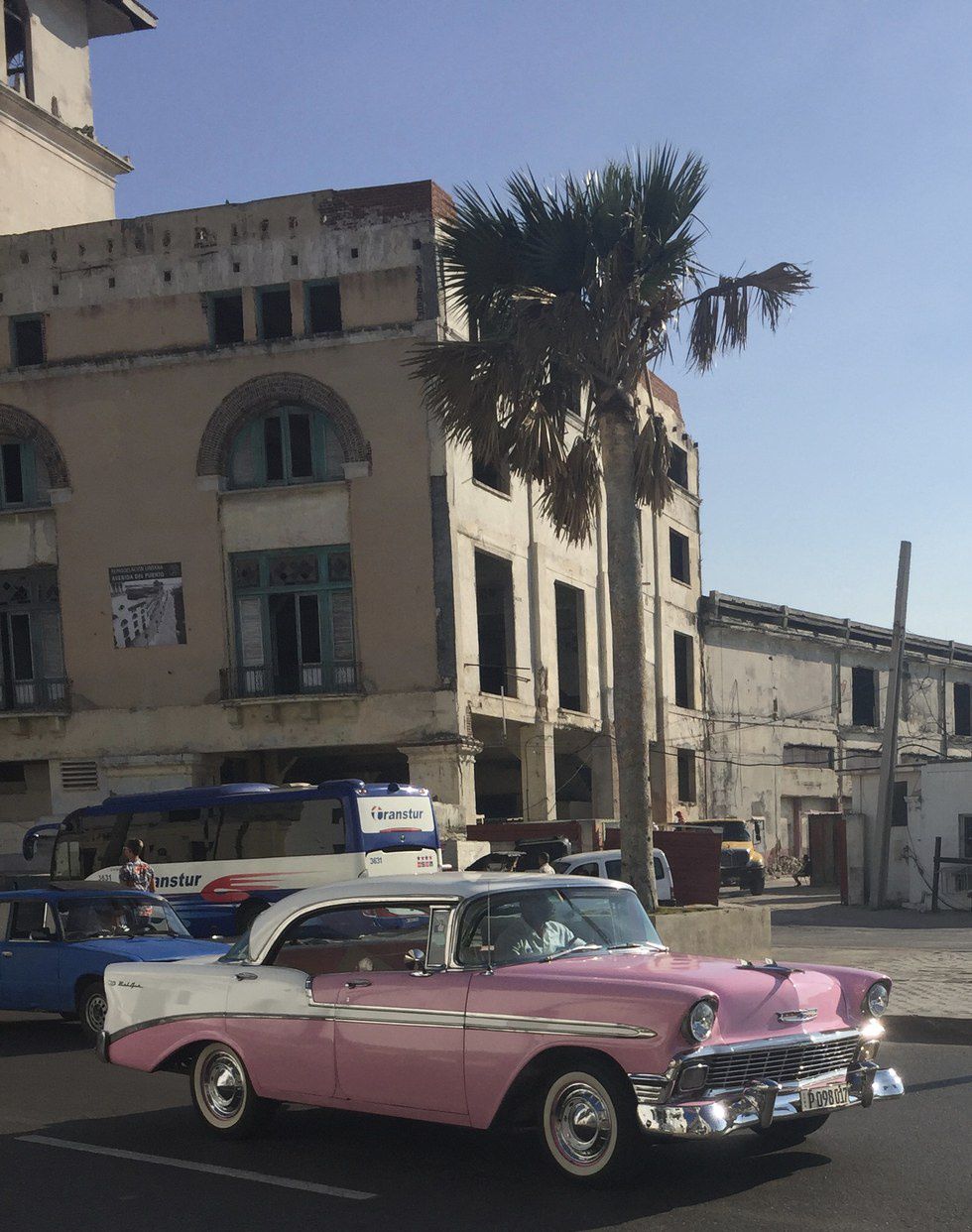
If Havana is the heart of Cuban pop culture, the vintage cars rolling down the back streets of the nation are its lifeblood. Cuban cars are stories themselves, arts and parts stolen, switched, bartered and sewn together into beautiful vintage neon hunks of metal. It’s a beautiful sight to see the sleekness of every neon car roll down the street alongside the wall of the beach. There’s no competition to have the newest model or the biggest truck. Just having a car is an accomplishment in Cuba.
Since the embargo in 1962, Cuba has been forced to use the resources they have on the island to create what they call “Frankenstein Cars.” Little bits of Ford, Chevy, Pontiac and more go into the working cars they use today. Small worn-down little box cars Americans price for about $5,000 will go for $12,000 in Cuba. It’s incredible how much each social class' cars will vary. While the lower class is lucky to know someone who has a car and is willing to drive them to work, the government officials have imported cars within the years of the 2000s. Although anyone can drive above the age of 18, it is mostly males that get behind the wheel and face the reckless traffic that Cuba provides. Women are more than welcome to drive, they just prefer not to. Instead they hitchhike. Hitchhiking is not nearly as dangerous in Cuba as it is in America. It is a common mode of transportation, although many do use taxis on occasions.
Taxis vary from the typical yellow and black boxes you see on TV to the beautiful red Mustangs and blue Pontiacs I was lucky enough to take a picture with, to the terrifying, but practical, duct-taped crank window white box that can zoom through traffic and give you a heart attack, yet still arrive in one piece. Cars are not the only taxis in Cuba. Horse drawn carriages and rickshaws are a huge part of the entrepreneurship that the Cuban government is encouraging.
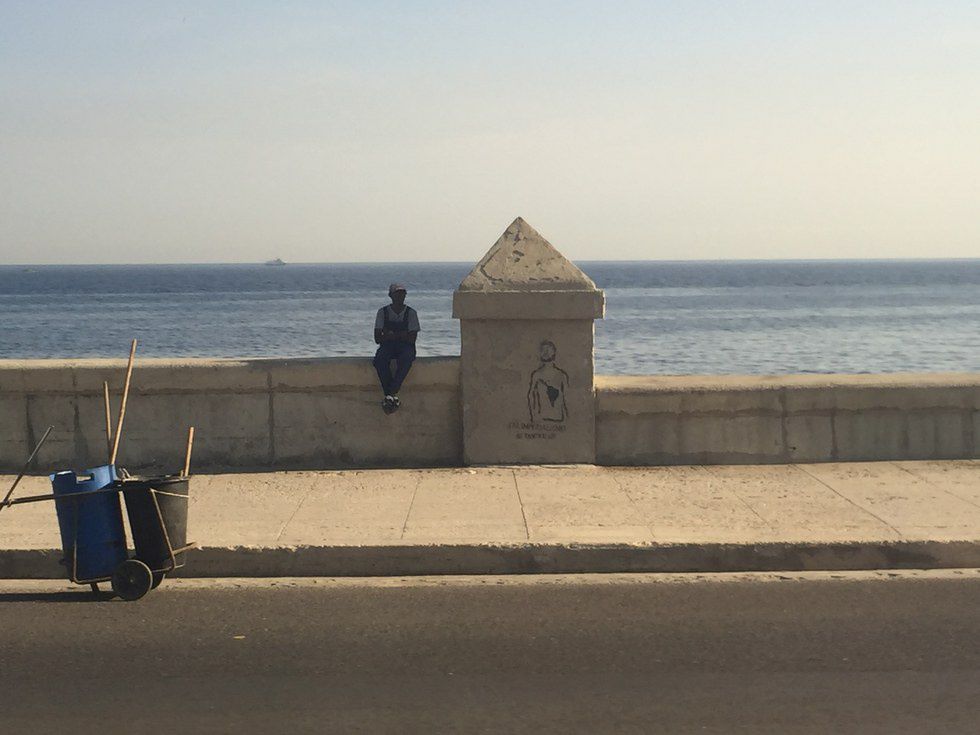
Since the change of leadership from Fidel to Raúl Castros, the Cuban government has highly encouraged men and women to become entrepreneurs. To hold any form of job/career, you must have a certificate given to you by the government or the Catholic church, who typically is in charge of running the lower class economy. Any of the odd jobs I found, you must have legal documentation or you will be fined or thrown in prison. Typically, it's just a fine, but on occasions, prison has been the outcome. Odd jobs such as being a peanut salesman, street sweepers, painters, rickshaw drivers, and my favorite, the Banana Ladies, all required documentation. Peanut salesman is exactly as it sounds, standing at stop lights selling bags of peanuts and occasionally bread or fruits to waiting cars. The street sweepers just swept away trash and the painters varied from the brightly colored buildings to the simple curbs along the street with a bucket of paint and a paint brush.
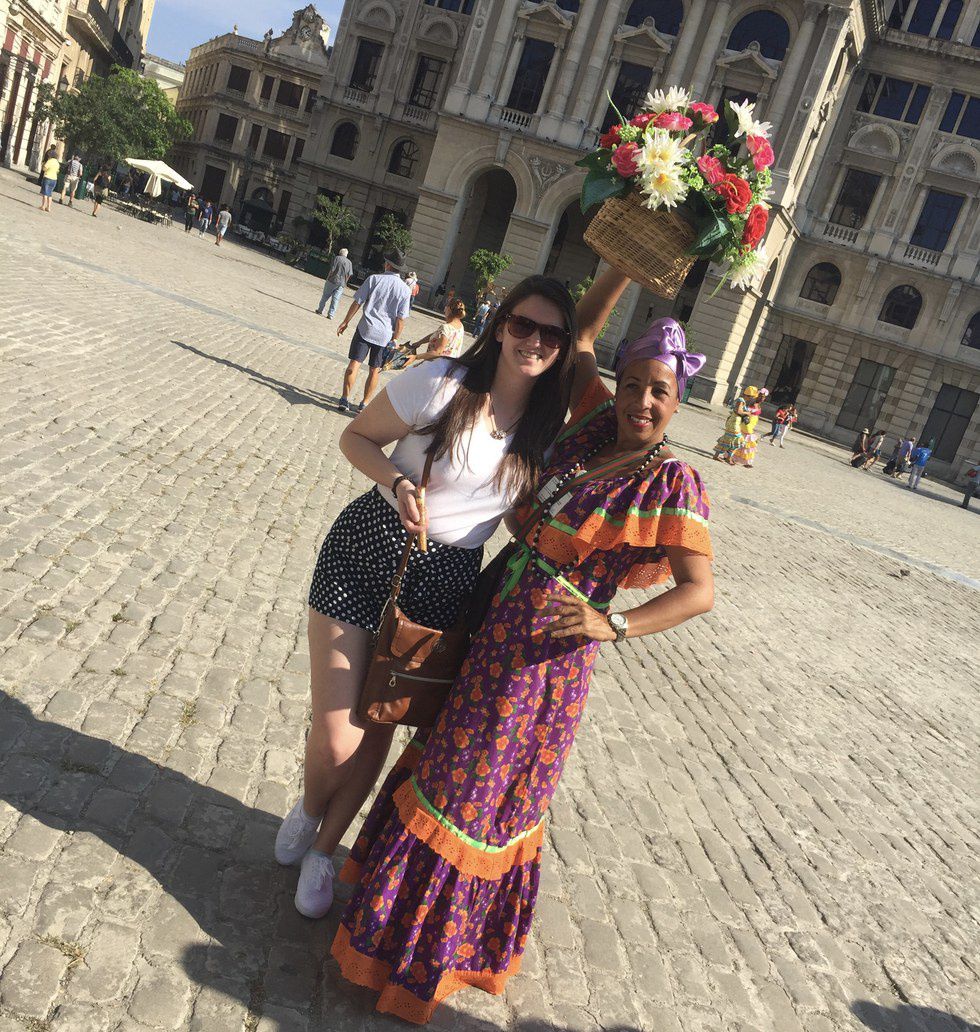
But my favorite was the Banana Ladies who dressed in traditional brightly colored Cuban dresses, then took a photo with you and your friends. As you reach into your wallet to tip her she says 10, which then you kindly say that you got it, everyone believing it was for all three photos. Oh no, 10 each! $30 for all three photos. As this is her only income, you let your money go and walk away with the photos. Unfortunately for Michael, a trusty companion, the Banana Ladies were not above luring tourists into multiple photos costing $20 for each shot. At least my Banana lady was more reasonable.
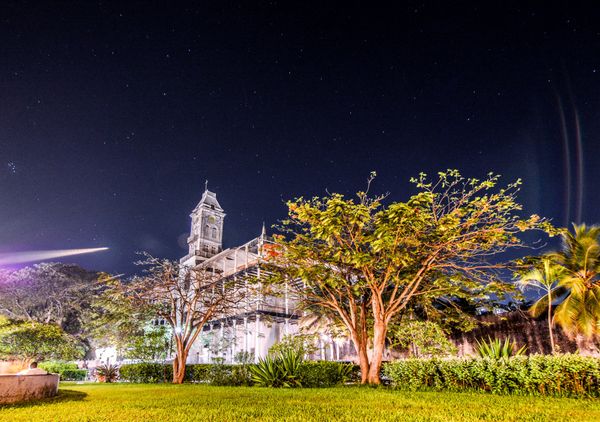
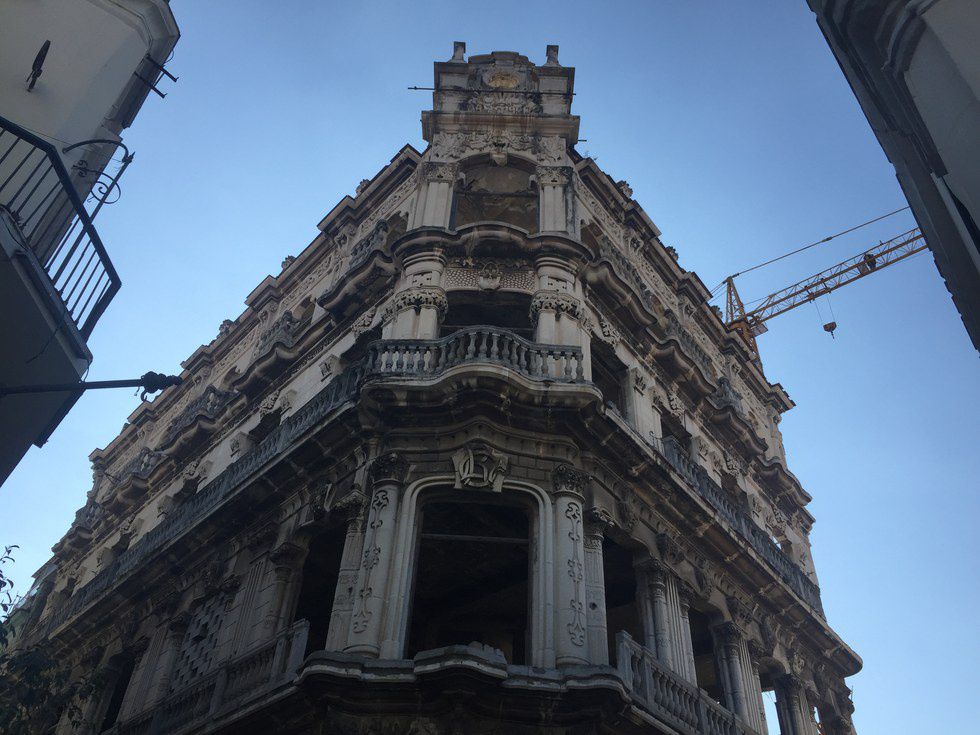
Even though the Banana Ladies caught us off-guard in the square, I only felt in danger of getting lost in the beautiful architecture and exhibits presented around Havana. Like the cars, the buildings are full of color and foreign influence. Cathedrals are extravagant, homes are painted bold and mix matched with the rest of the square, each its own unique work of art. Many homes were created during the Spanish or Russian reign, but some were lucky enough to be designed by the graduates of the Instituto Superior de Arte in Havana. It was beautiful to take in the traditional architecture of Havana for almost no buildings have been influenced by the 21st century. It is all old and genuine. Projects for renovation are occurring all over Havana as they were starting to reconstruct and amplify the beauty of the ancient buildings.
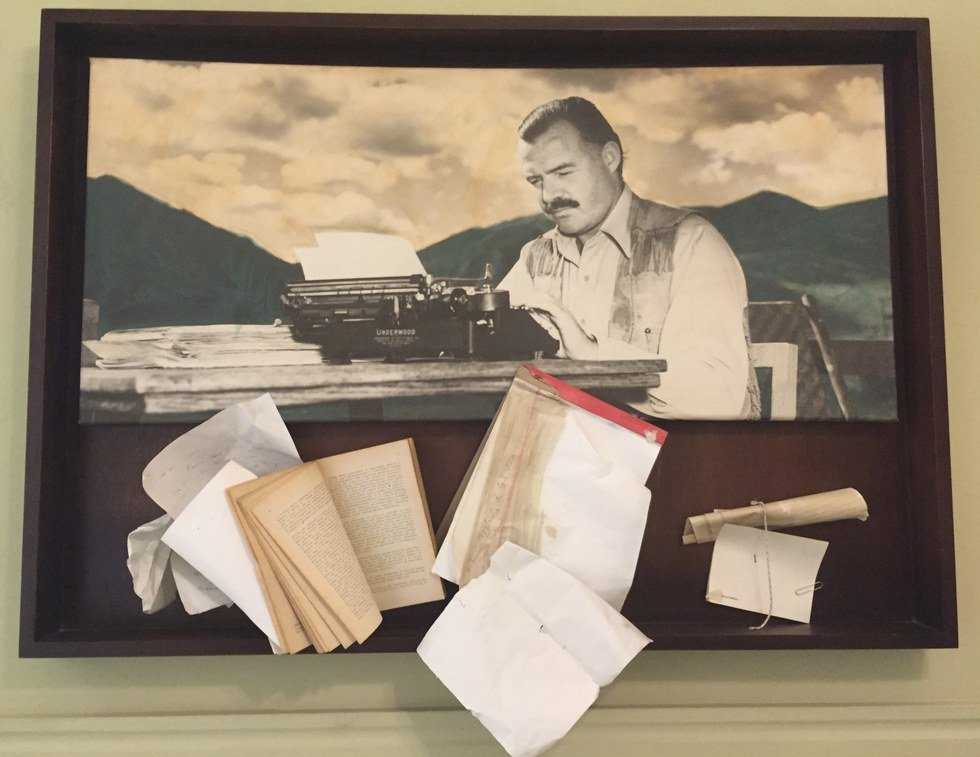
But of course not all of Havana stayed in one place since the embargo. The places made famous by Hemingway thrived in Cuba. The Floridita, La Bodeguita Del Medio and Sloppy Joe’s are three bars Hemingway made famous. The Floridita is much nicer than the old worn down bar Hemingway used to drink at, and La Bodeguita Del Medio keeps to its original wear and tear look.
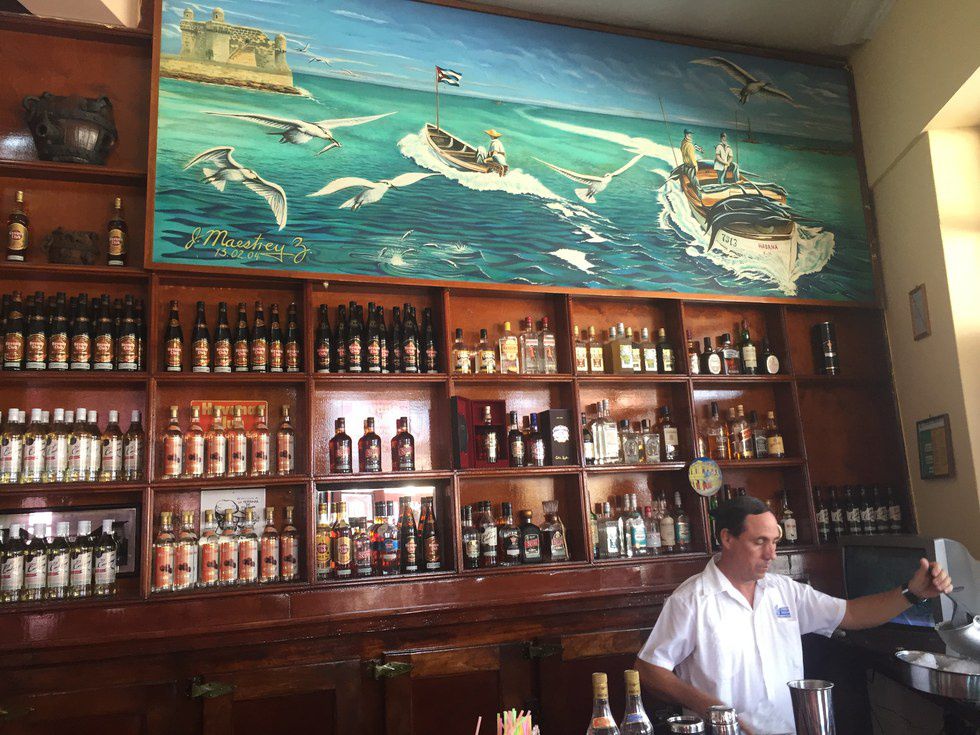
Of course, the quality of the bar does not determine the quality of the drink. In Cuba, drinks are an integral part of the culture. Meals had a pleasant and friendly quality to them and often started with a cold mojito. The mojito was a refreshing cocktail of white rum, mint and sparkling water that helped wash down our appetizers. I do offer a tale of caution for both the margaritas and the Cuba libres though. The ratio of alcohol to mixer for both drinks is significantly larger than that of their American counterparts.
Rum is Cuba’s main source of alcohol as they produce both white and dark rum. Since most of Cuba’s land is used for the agriculture of tobacco, sugar, and coffee, there are very few big animals on the island.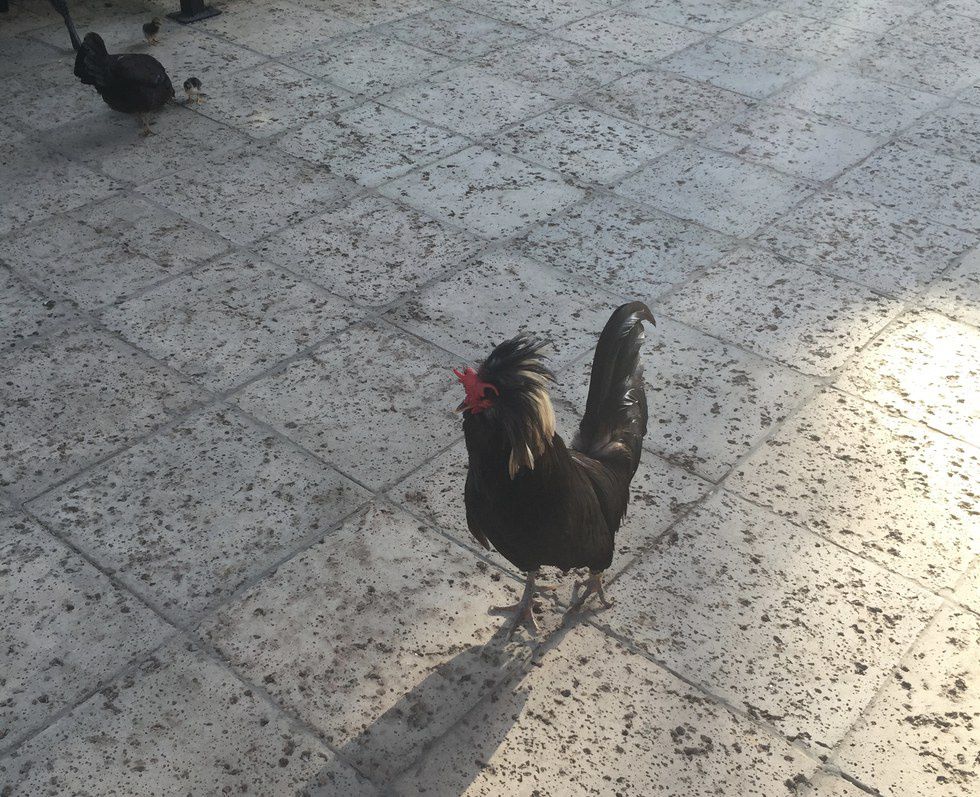
Animals on the island consisted of chickens, goats, dogs, cats, small cows, horses and tons of birds. On occasion, and in the right habitat, you can find a crocodile. As Cuba is surrounded by water, meals mostly consists of chicken and fish. Very rarely did we eat beef, as the cows are a main benefactor for the cultivation of land, for almost all tractors are owned by the government.
As bright as the scenery and wildlife were, the real vibrancy of Cuba comes from its people. Loud and friendly voices sounded from every corner, sounding out on the streets. Men and women are equals, a modern idea amongst the ancient architecture and vintage cars. There are reflections of the ingenuity of the Cuban people everywhere, even in their piracy of American media, with movies often bootlegged and subtitled to subvert the embargo. And as for our favorite Cuban, Ricky Ricardo, the Cubans have never seen "I Love Lucy," but are looking forward to its arrival as political freedoms are set in place.
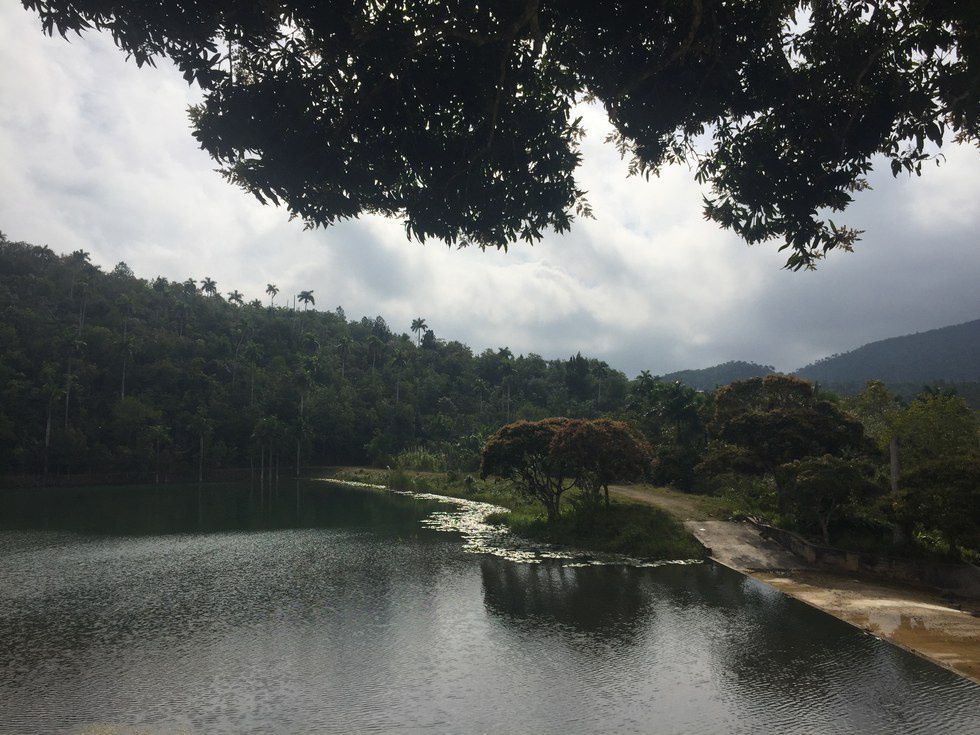
From the vintage cars to the vibrant people, I found Cuba to be incredible. It was like walking through a history book. I felt that I was traveling through the past while at an important turning point for the future. I’m grateful to have had the opportunity to view this persevered country and hope that it prospers in its many years to come.