I remember sitting in class at 11:39 on the morning of Thursday, Oct. 30, 2014. I sat typing notes about an in-class presentation when an iMessage alert flashed in the upper right-hand corner of my MacBook screen.
“I have some kind of leukemia, how weird is that?” read the text from my 17-year-old sister.
My body froze. The class didn’t end until 11:45. Numbness washed over me. I sat glued to my chair for the longest six minutes of my life. I didn’t know the protocol for leaving class after receiving this kind of news. I got on the next flight home to Washington, D.C. and was sitting wearing a paper gown, mask and gloves in the pediatric oncology unit of Georgetown University Hospital by dinnertime. I stayed home with my family for the next two weeks because my sister was at risk for brain hemorrhaging since her cancer hadn’t been detected early. She was lucky, though. The oncologists stabilized her during those two weeks with numerous blood transfusions and immediate chemotherapy. After the two weeks were up, however, I had to fly back to Boston to finish the fall semester. The stress and sadness of my sister’s condition came back with me, as it does for other college students who go back to class after learning of a friend’s or family member’s cancer diagnosis. The most important thing to do on campus is to seek help and support.
Sleeping, focusing in class and trying to stay connected with friends and roommates is hard when a parent, sibling, grandparent or friend receives a life-threatening prognosis. Counseling is one of the best options for coping with the overwhelming feelings of stress and anxiety after coming back to school. Most colleges and universities offer free counseling services and students can make appointments online or over the phone. It’s best to make an appointment soon after coming back to campus because affected students can feel helpless if they let any sadness or loneliness build up. Counselors provide a safe space for students to express their emotions without feeling restricted. Some students feel guilty telling their parents, friends or other family members about their own problems and think the attention should be focused on the sick person, so a counselor can be a great outlet. Exercise, sleep and healthy eating habits also help decrease stress that comes with a cancer diagnosis.
This past year, 1,685,210 Americans were diagnosed with cancer and over half a million of cancer patients died, according to the American Cancer Society. No one wants to deal with the effects of cancer alone, so joining groups like Relay for Life or Wishmakers on Campus helps students feel connected to others who understand the pains of coming back to campus while someone is struggling with the treatment at home. It can be helpful to join a group focused on cancer fundraising because oftentimes, roommates and friends don’t have the most informed responses to cancer diagnoses.
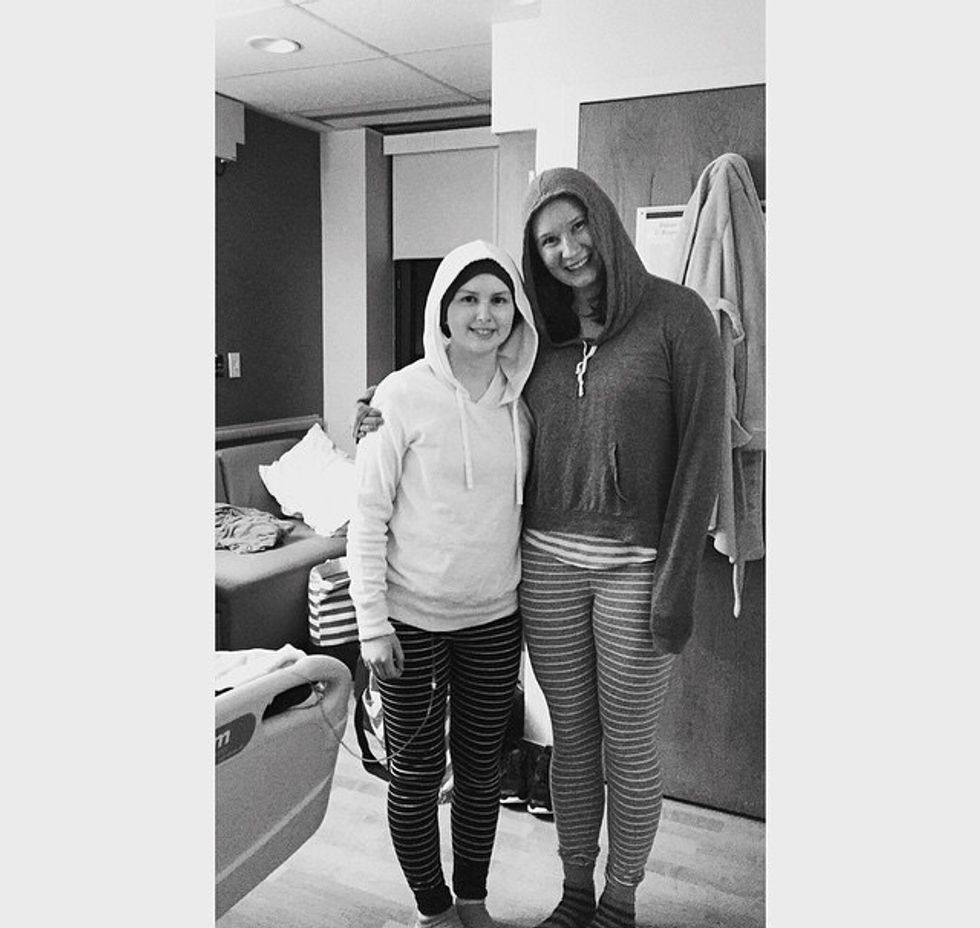
I joined a Boston College Relay for Life team this year on campus to feel involved with the fight against cancer since I can’t physically be with my sister during her second year of treatment. I had some people tell me how lucky my sister was for having leukemia, but I don't consider any cancer lucky. I’d be offended if someone didn’t ask about her but I also wanted people to ask about me. Sometimes I didn’t want to talk about her but sometimes I did. Every person’s case is unique, so communication with friends and family about how to address the issue is key. No one can be helpful without guidance and direction.
Bottom line: don’t be afraid to ask for help and support when someone is diagnosed with cancer or any other life-threatening disease, especially when going back to campus alone. Inform friends and other family members how to approach the issue or how to talk about the illness. It should never be ignored or downplayed and most universities and colleges have a number of resources for students to cope with cancer on campus.